
Theatre-dance · since 1993 · Sibiu
Microbis is the Theatre-Dance Company of the Student Culture House of Sibiu (Casa de Cultură a Studenților Sibiu) — thirty-three years in which generations of young people passionate about dance and theatre have turned movement, live music and theatricality into a stage language of their own.
Microbis – Over 30 years of theatre-dance, emotion and performance.
The Microbis theatre-dance company is a reference name in Sibiu’s cultural landscape, with a history of over 30 years in which it has turned the stage into a space of pure emotion, of expression through movement and of boundless creativity.
Founded by the celebrated choreographer Hugo Wolff, Microbis was born out of a genuine passion for dance and performance. Over the years, this passion has been translated into memorable shows in which colour, movement and music have intertwined in an absolutely wonderful form.
Microbis is more than a theatre-dance company – it is an artistic family in continuous evolution, where each generation of dancers brings new energy and innovative ideas. Through a combination of impeccable technique, theatricality and artistic sensitivity, Microbis shows create unique experiences that remain imprinted in the audience’s memory.
year founded
years of activity
the first modern and contemporary dance group in Sibiu
From the newest show back to the company’s first creations.
Remake · “Hugo Wolff” Dance Festival
Genre: Theatre-dance · Trailer: 30–31 October 2026 · Where: “Hugo Wolff” Dance Festival, Sibiu
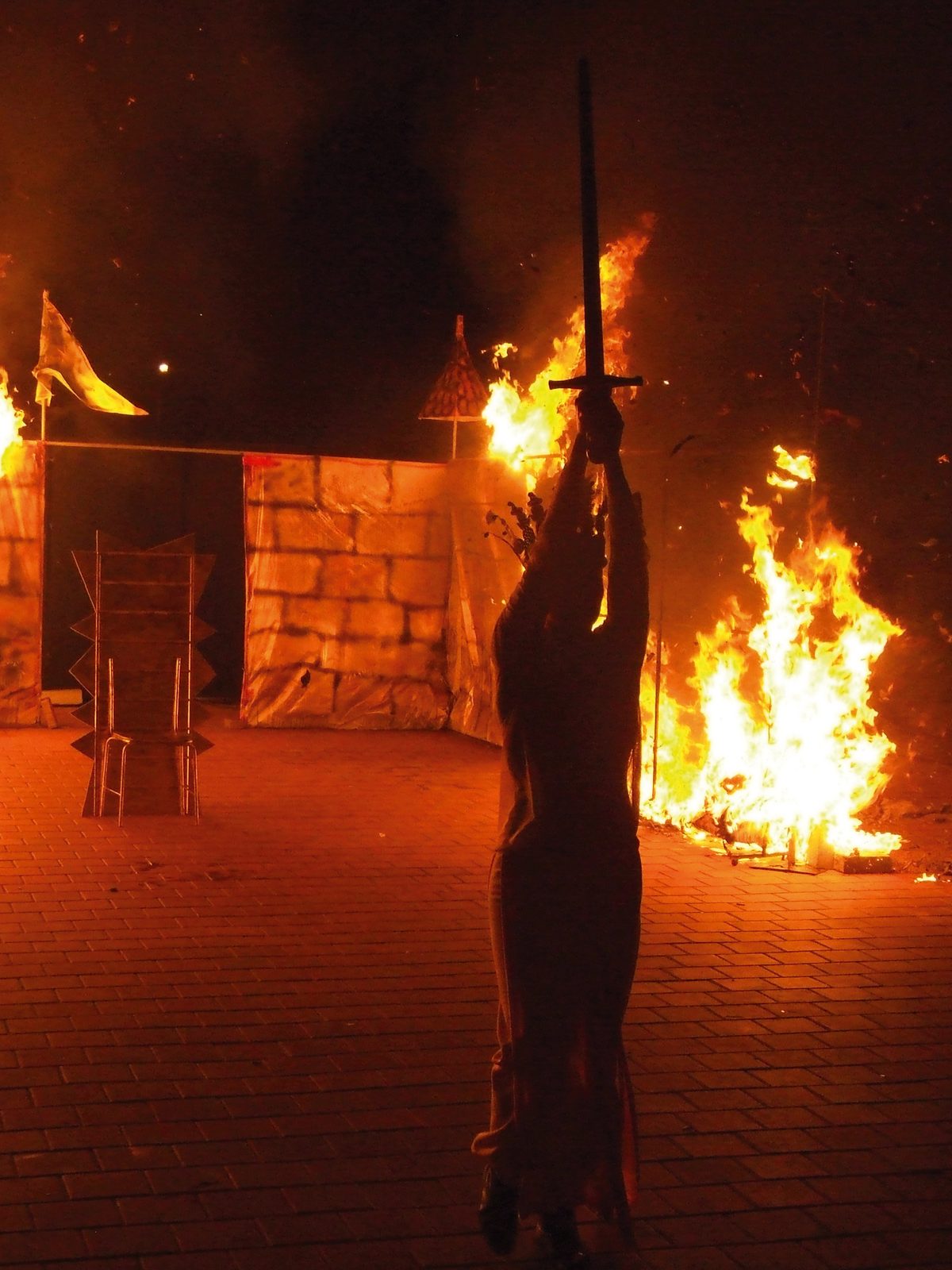
“Margot” is the new show of the MICROBIS Theatre-Dance Company — a remake of the show “Regina Margot”, created by the company in 2009.
The show starts from the reality of the reign of King Charles IX of France and from St. Bartholomew’s Night — the massacre of the night of 23 to 24 August 1572 in Paris. The dramaturgy is circular: the show begins and ends with St. Bartholomew’s Night.
The trailer of the show “Margot” is presented as part of the “Hugo Wolff” Dance Festival in Sibiu, on 30–31 October 2026.

Current show
or what could have been a Greek tragedy
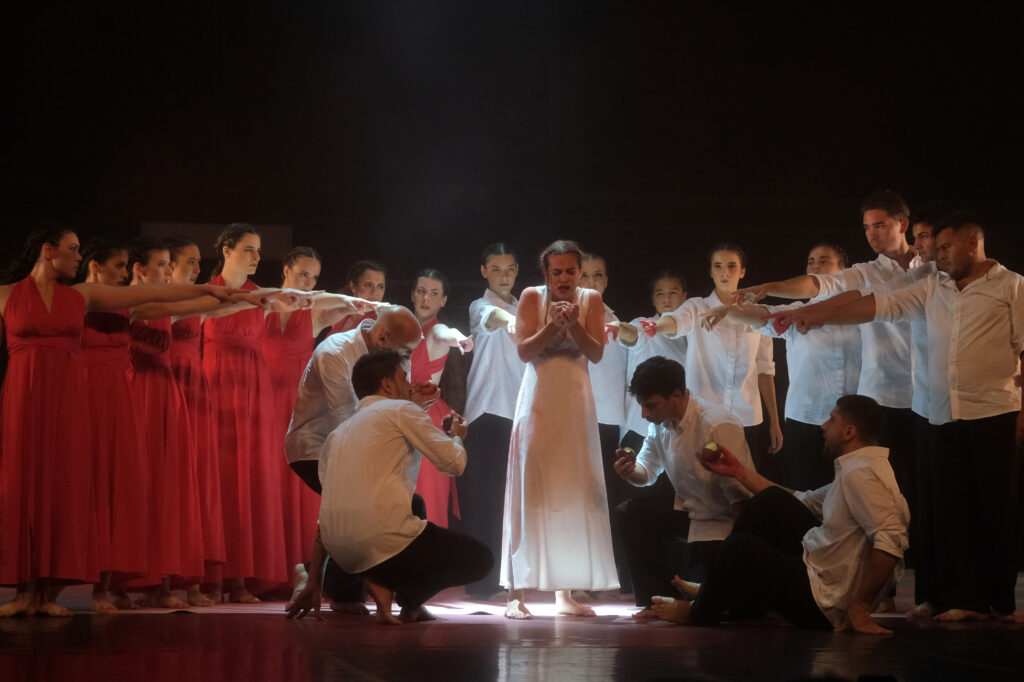
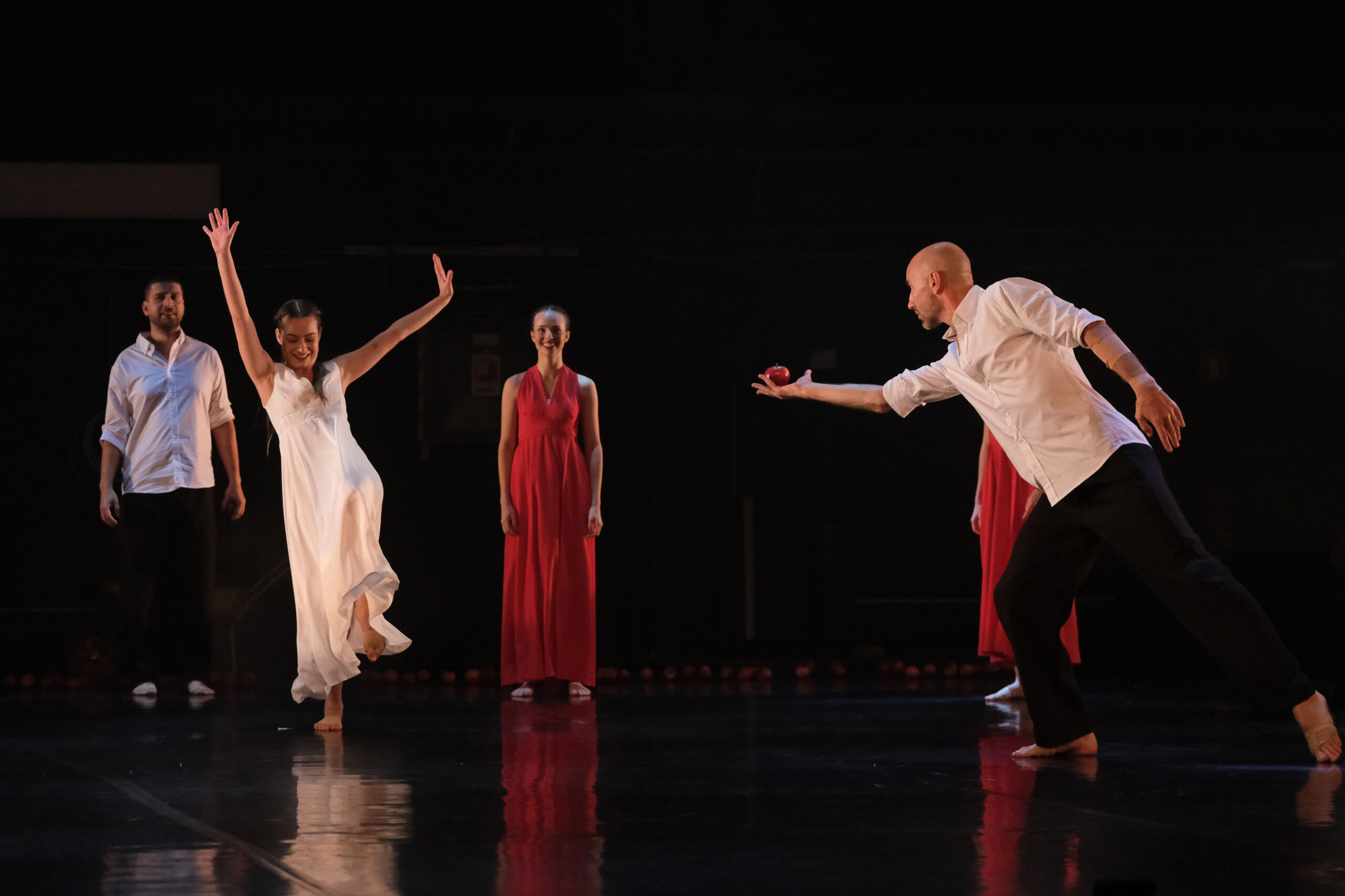
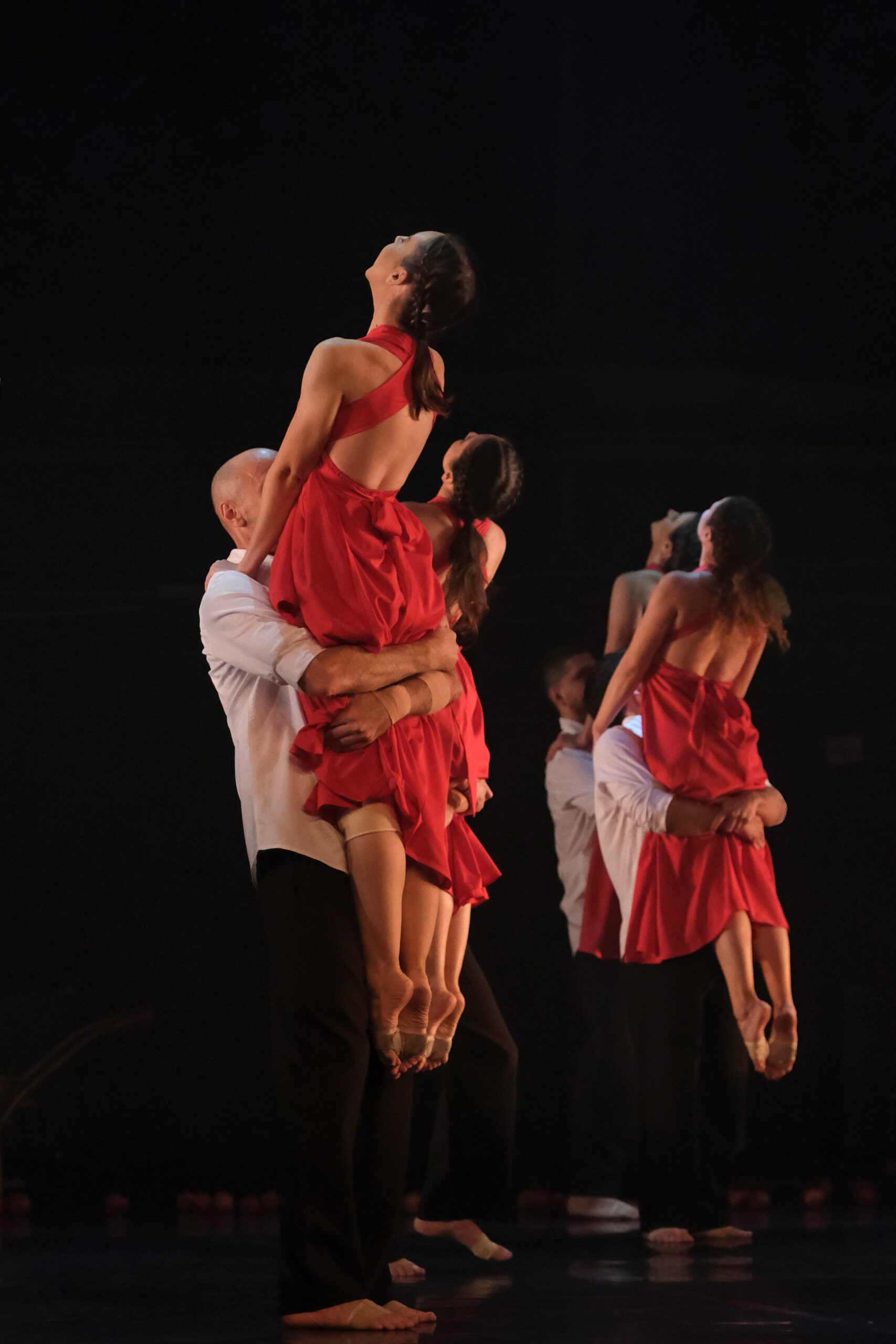
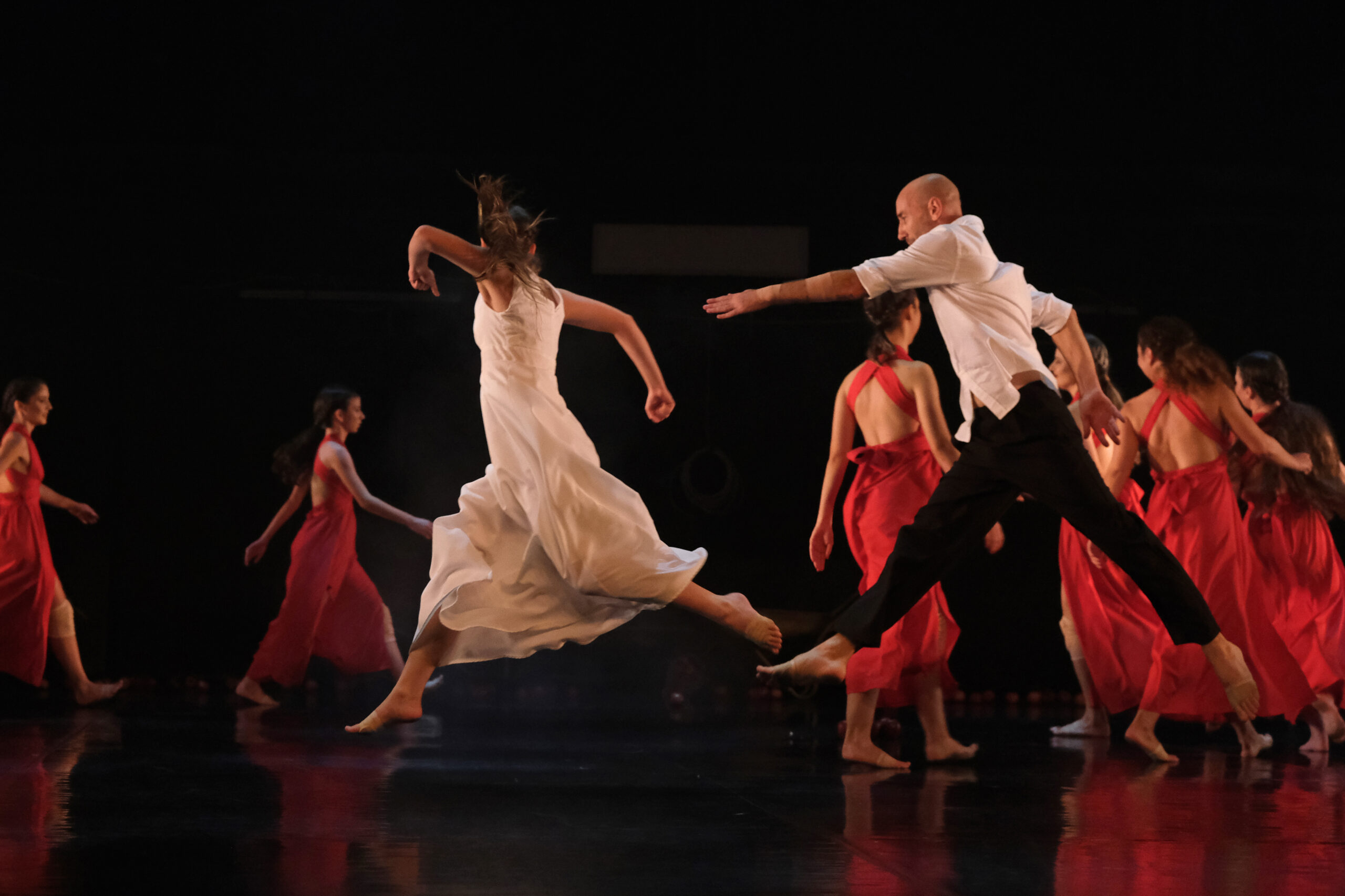
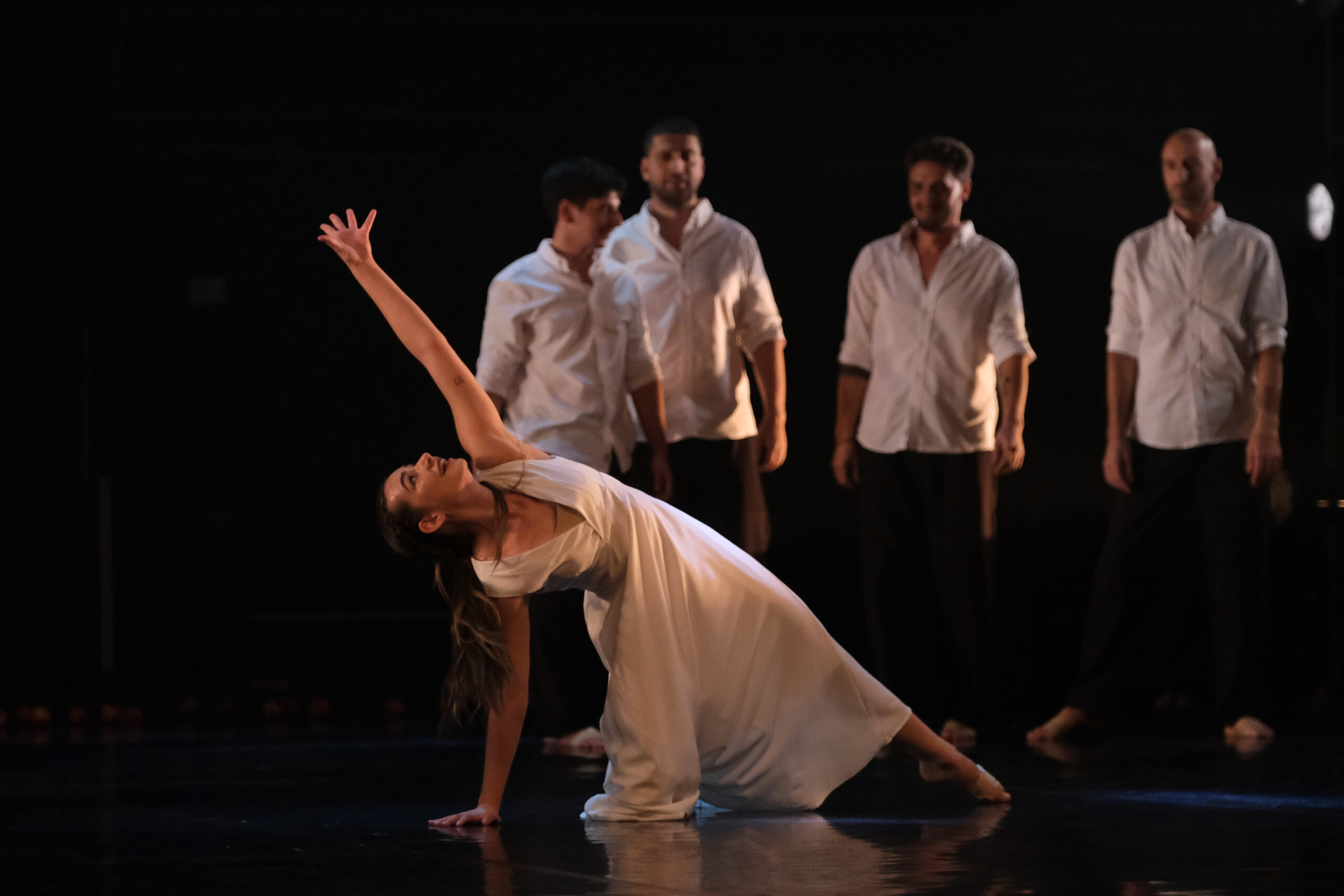
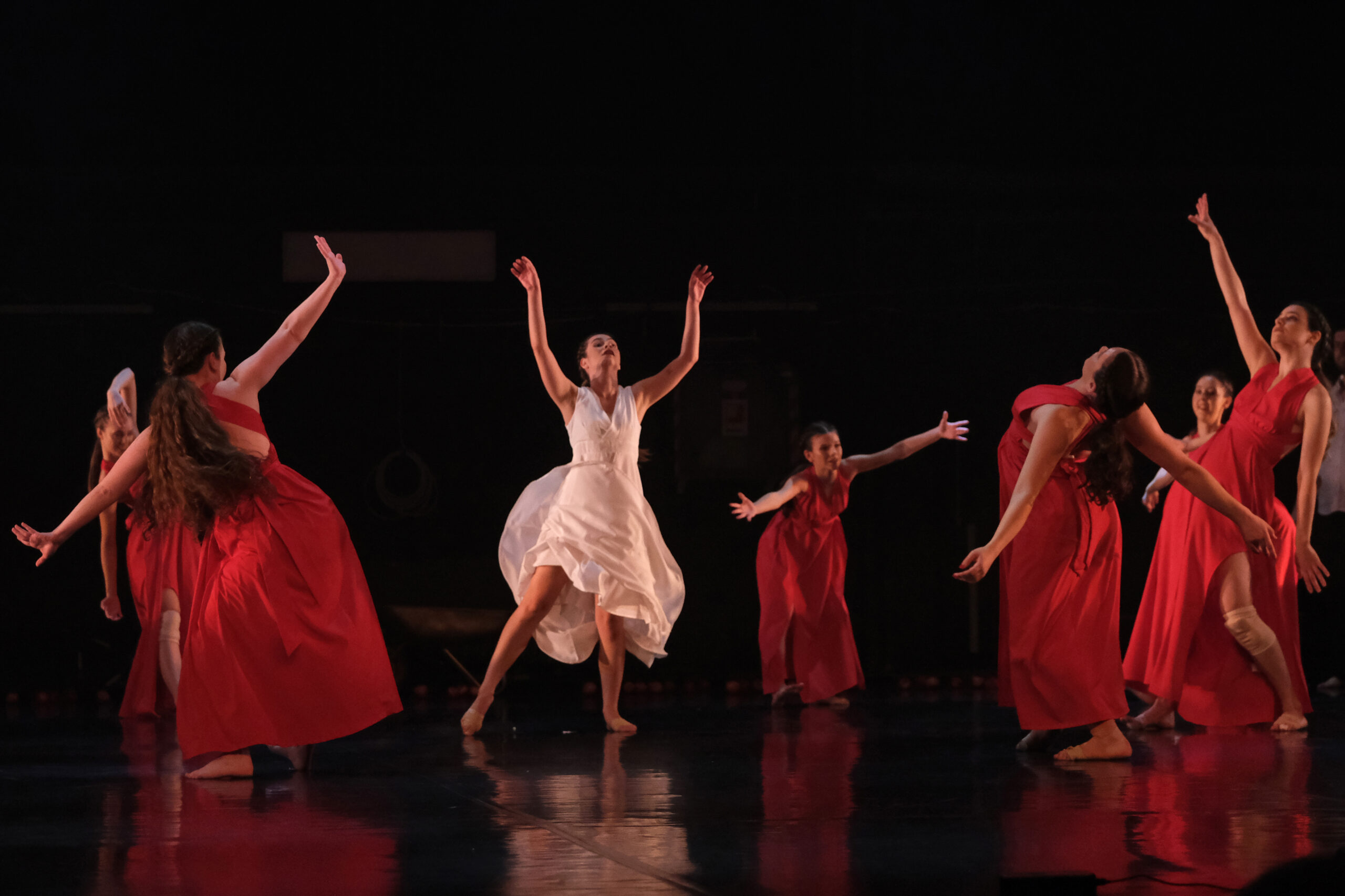
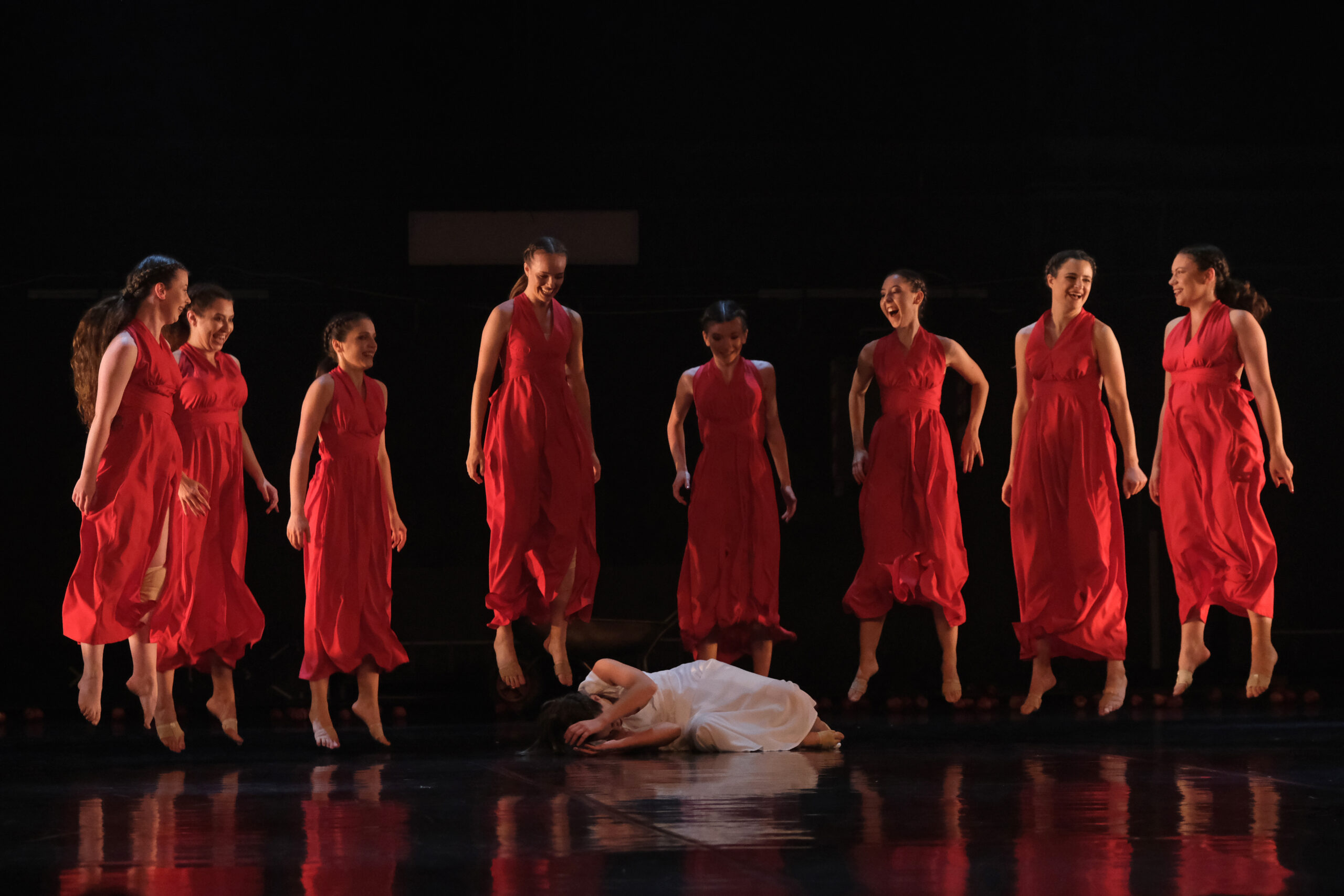
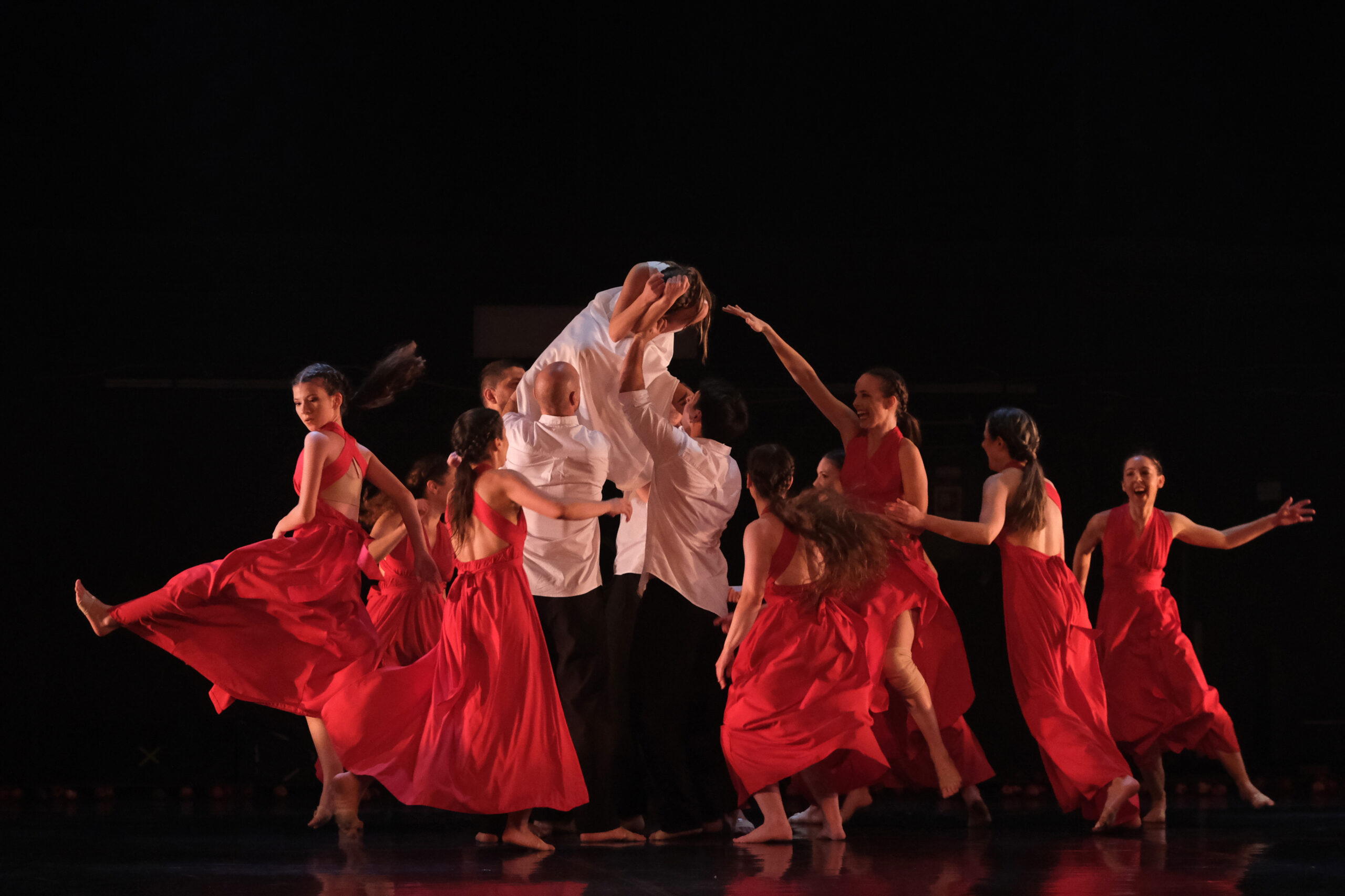
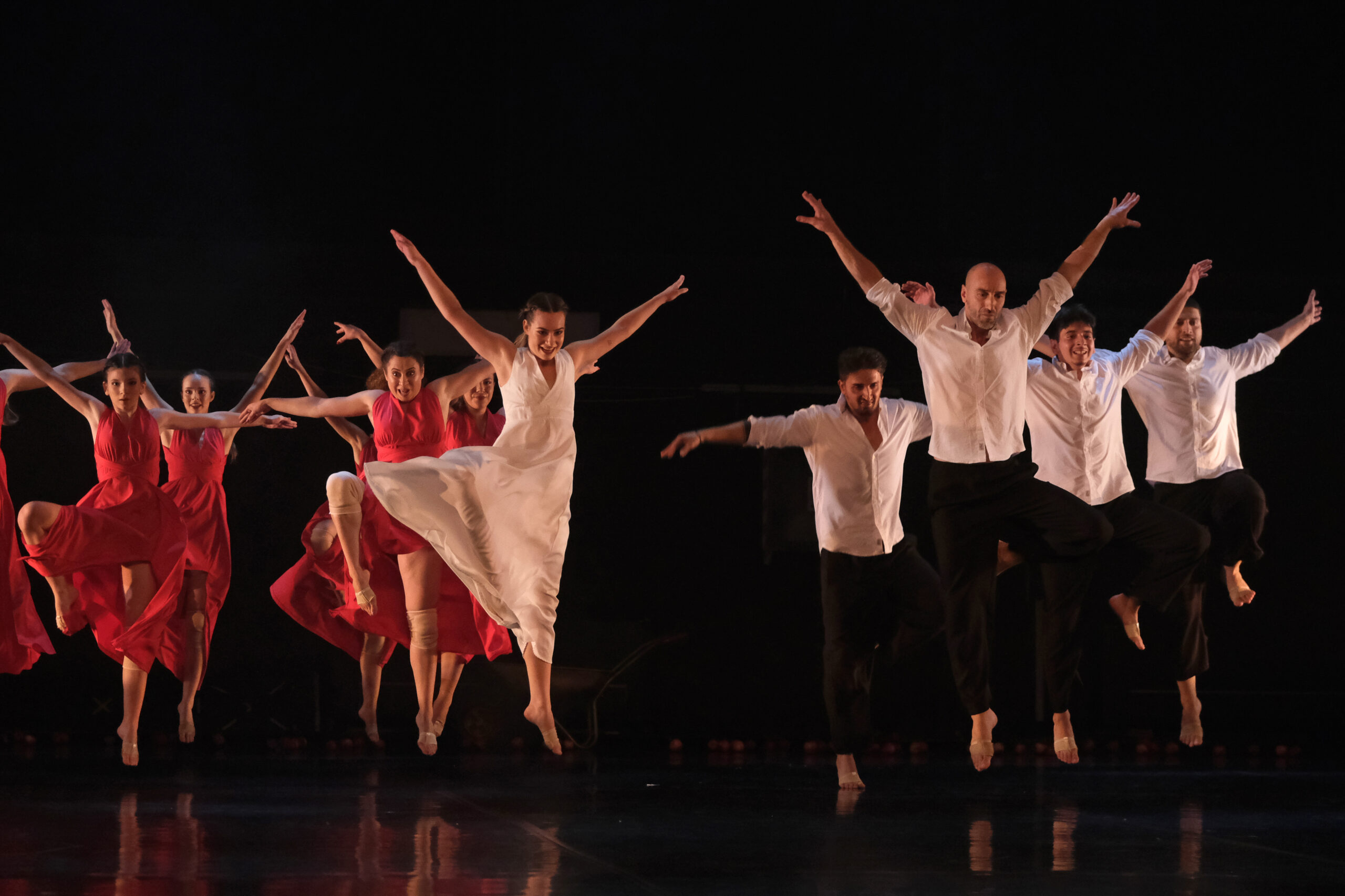
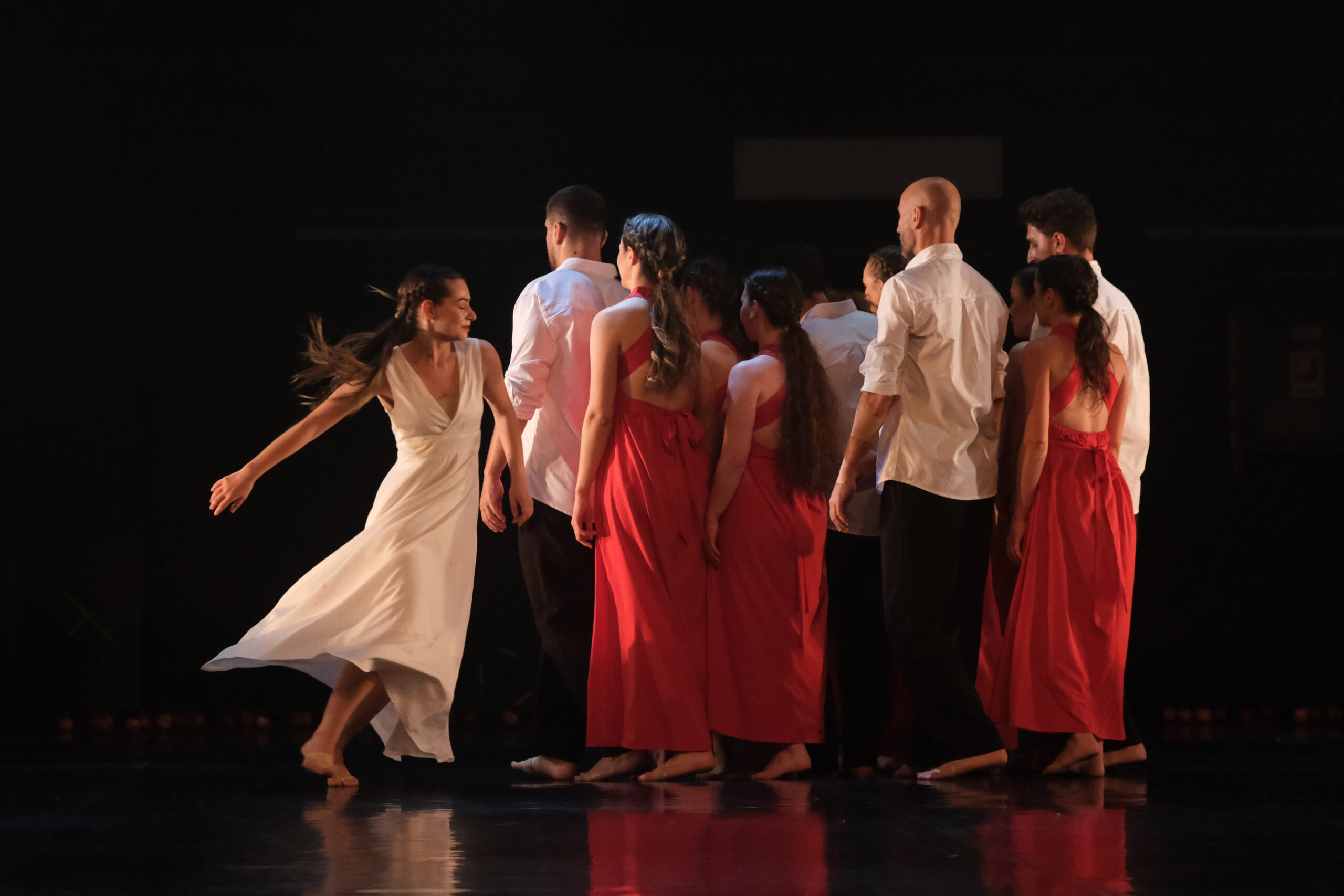
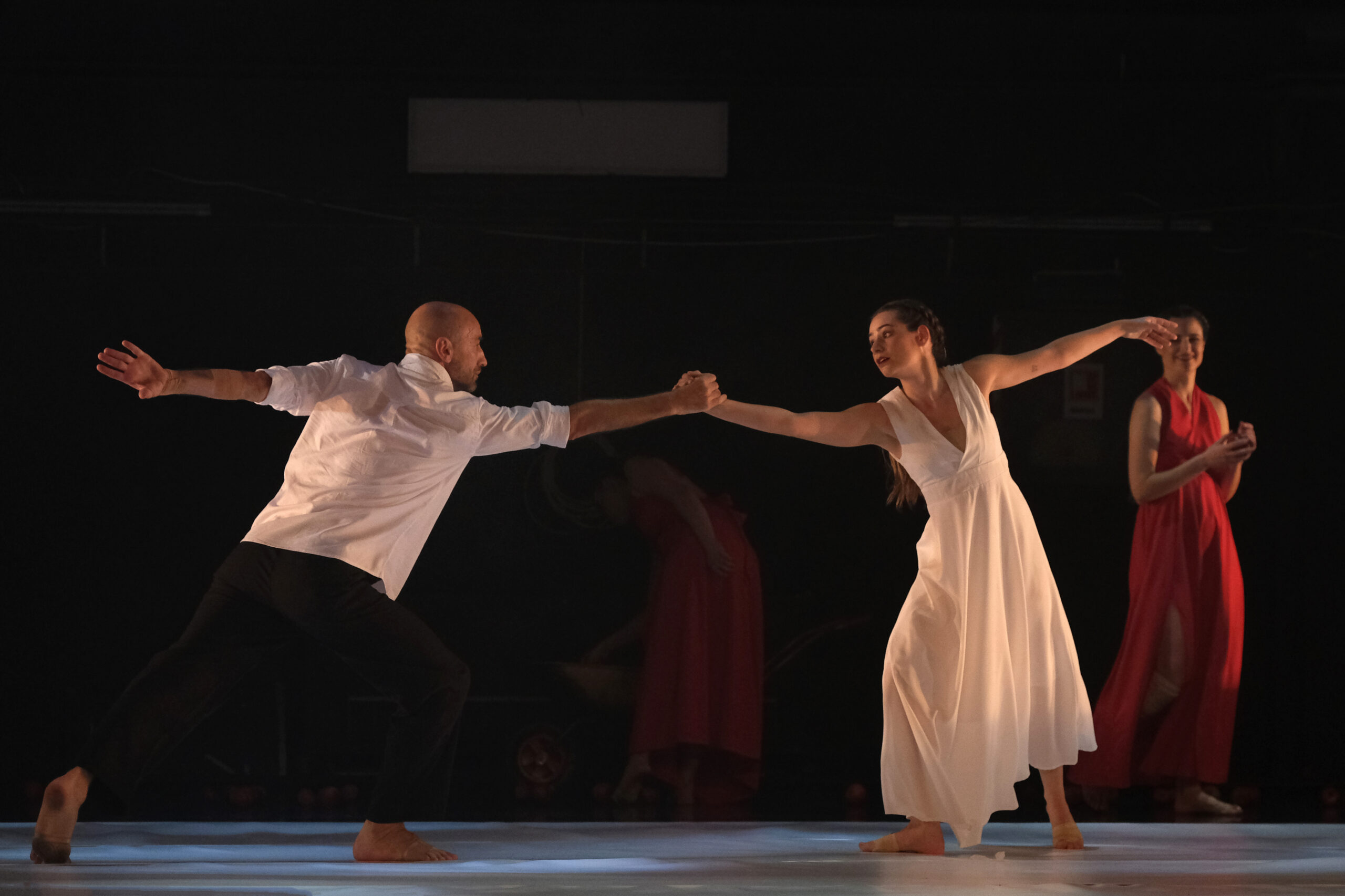
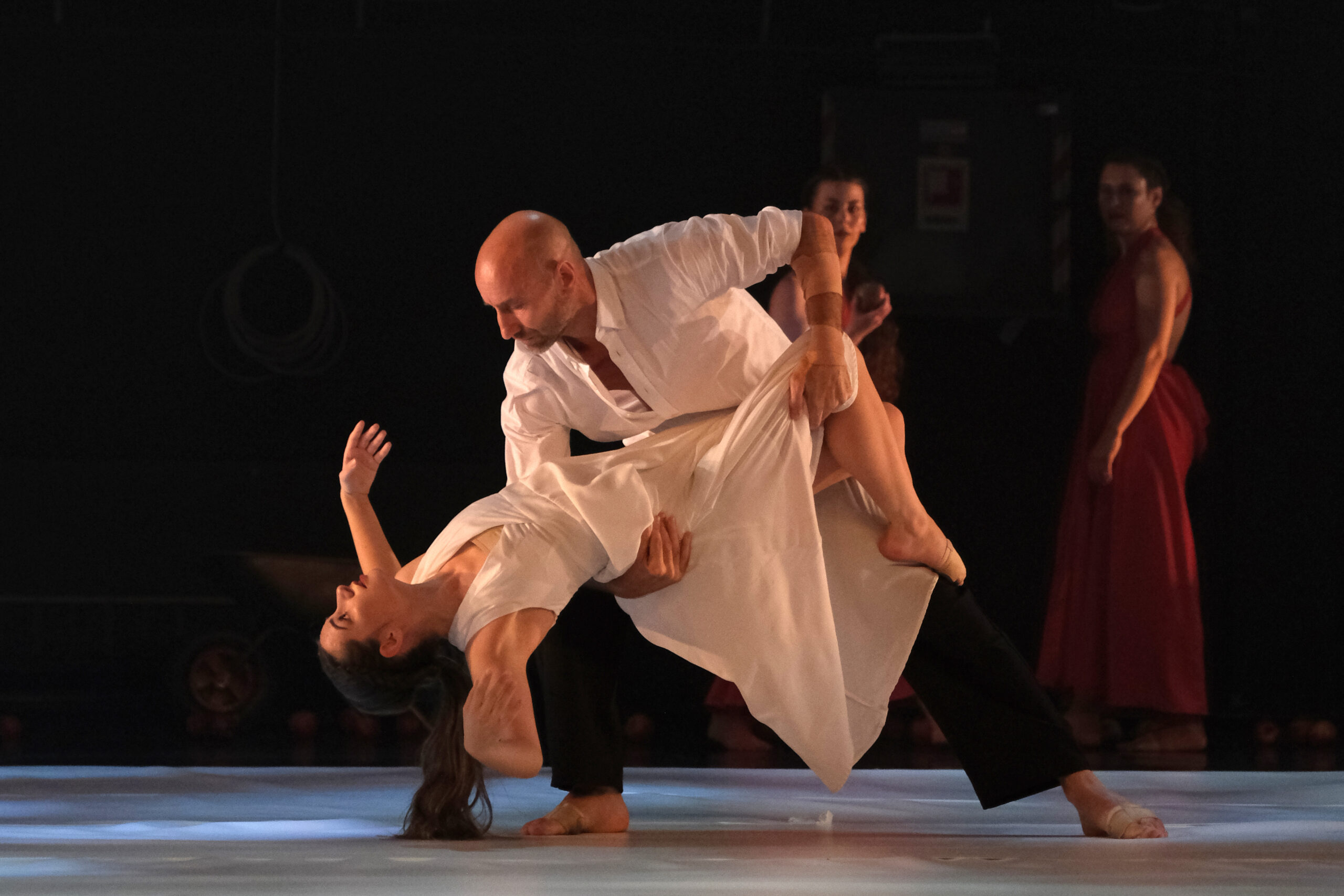
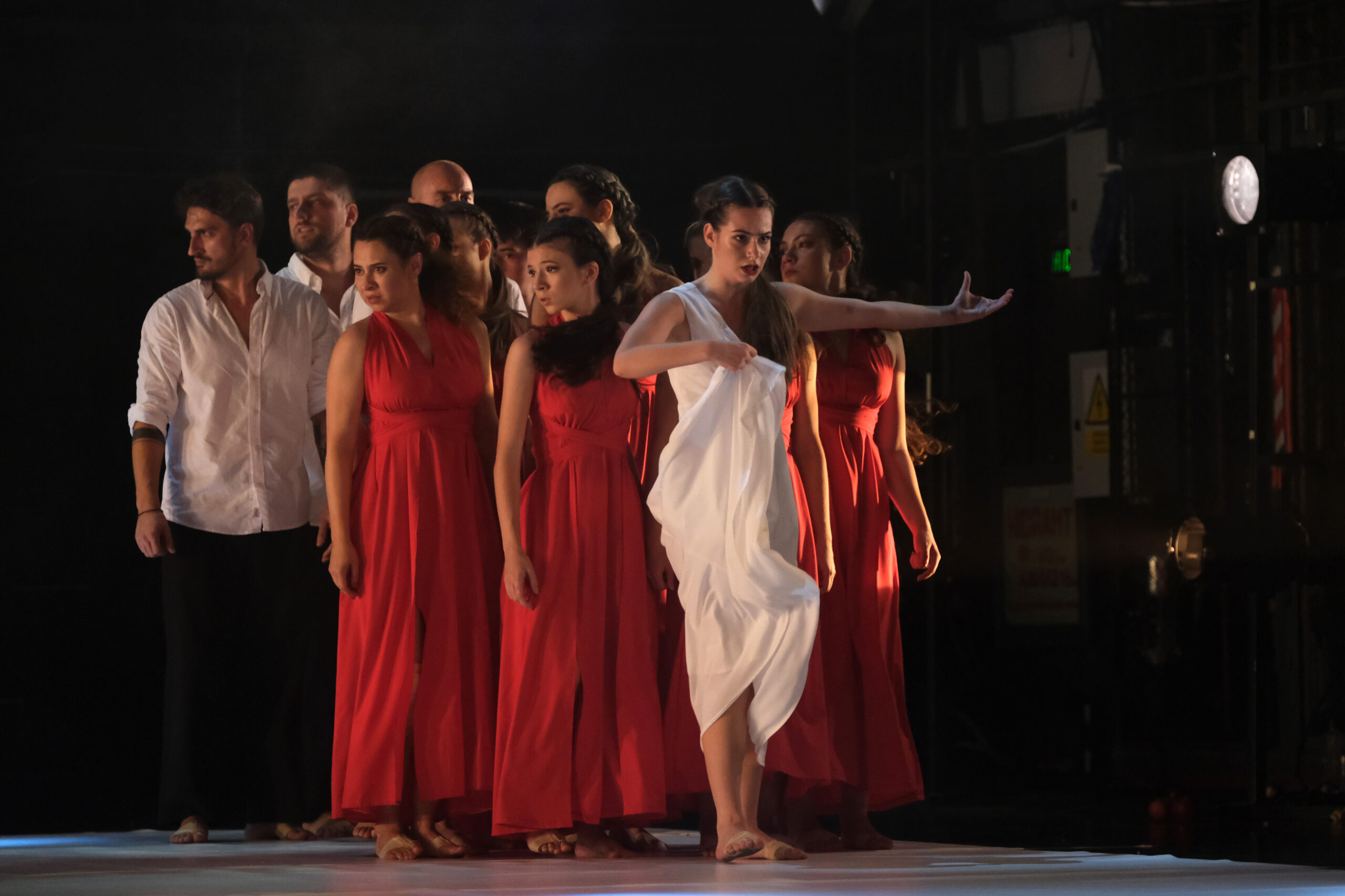
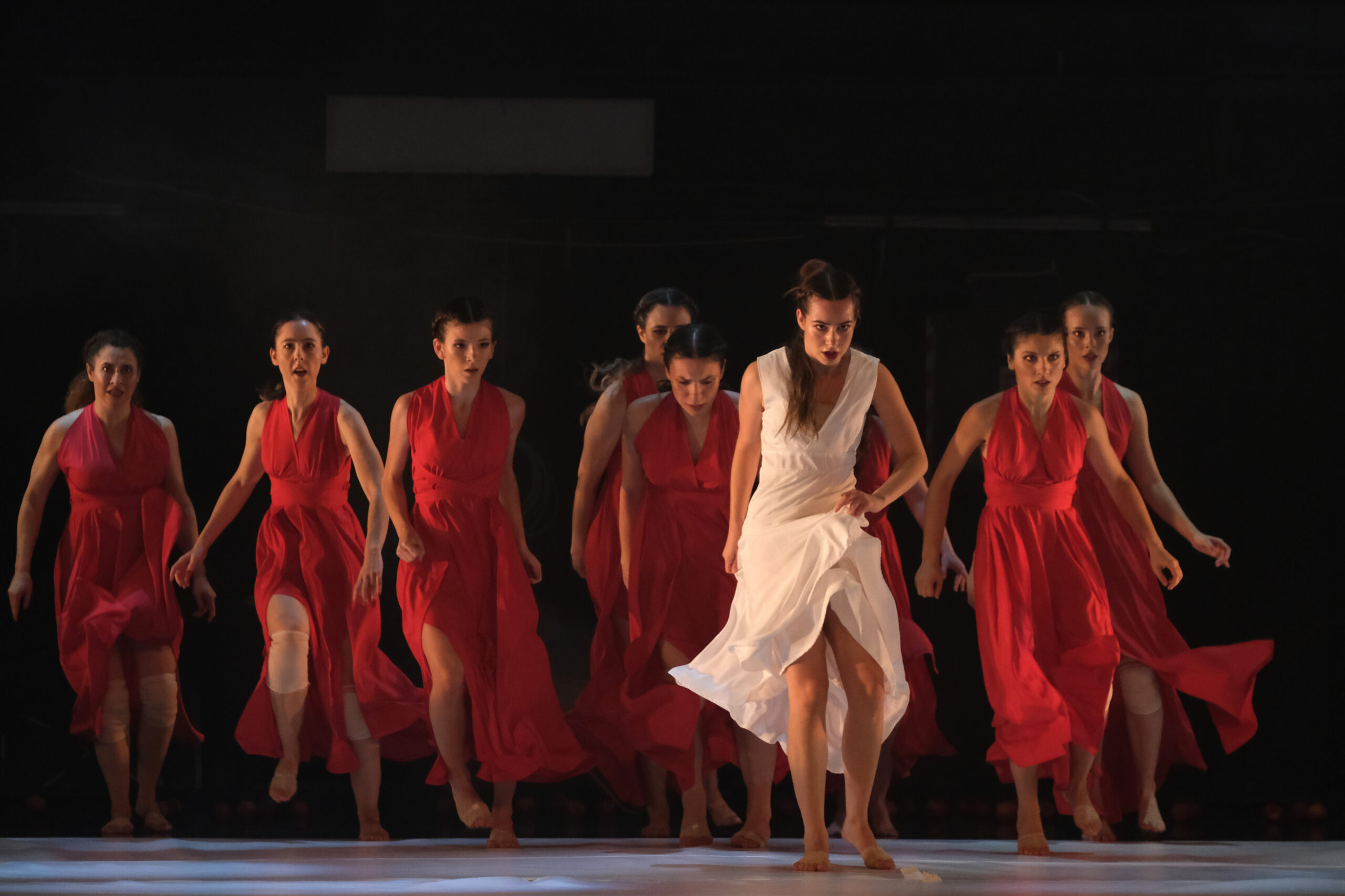
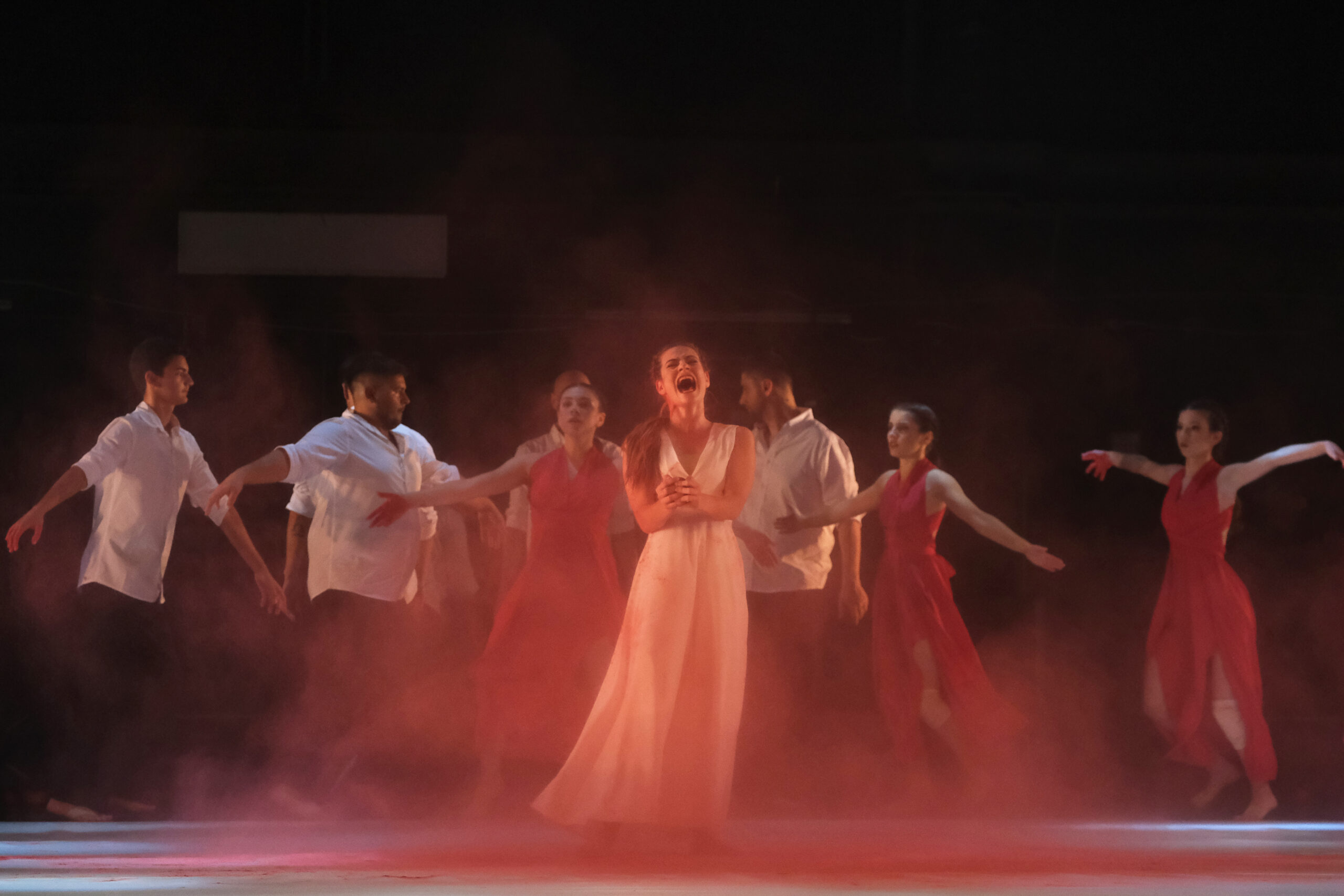
Choreography: Alex Wolff · Genre: Contemporary theatre-dance · Premiere: 9 October 2025, Centrul Cultural “Ion Besoiu”
You do not sin because you wanted to. You sin because you were told that this is how it must be. Because that is what you saw others do. Because, in a society that confuses conformity with virtue, refusal becomes the ultimate sin.
Society does not push you; it only holds out an apple, with the gentle smile of those who have already bitten, and whispers to you: it is time. Everyone has tasted it. Everyone says it is natural. What is the point of resisting, when resistance means isolation?
On stage, bodies speak of what we are afraid to admit: the fear of being different, the need to be loved, at any cost, the weariness of pretending to be fine, the shame of feeling.
The show is a collective confession, a circle in which guilt becomes dance, and dance becomes a form of survival. A ritual about how we come to live other people’s lives, hiding our own desires in the pockets of shame.
It is a story about how sin becomes tradition. About how, over time, mistakes are no longer condemned — they are repeated, learned, and in the end, when the taste of the apple sticks to the roof of your mouth and you no longer know whether it is sweet or bitter, a question remains that can no longer be avoided:
Was it your choice? Or just a step in an old dance, repeated without stopping, with eyes closed?
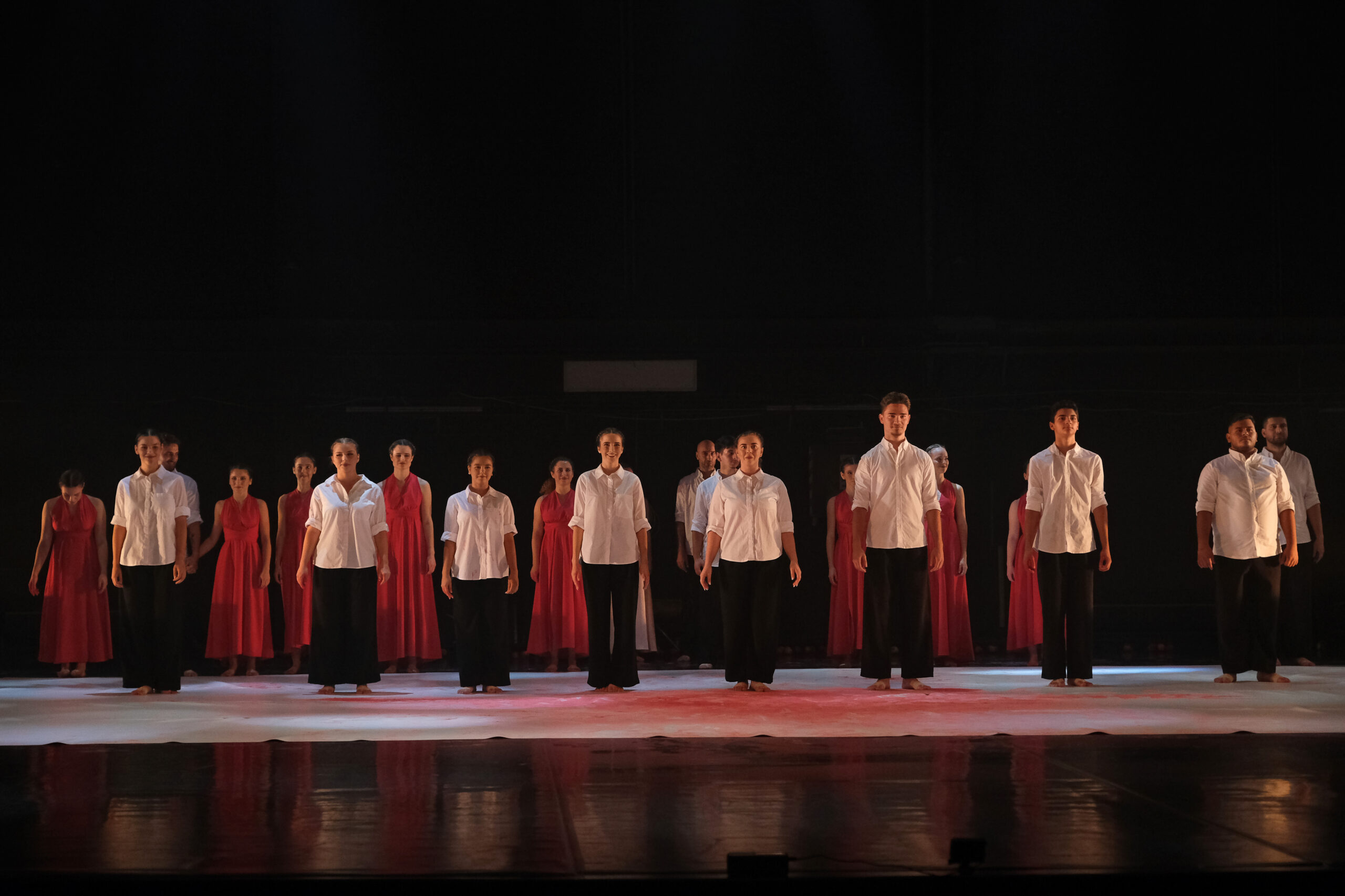
“Ritual și Mere Roșii” opened, to a full house, the second edition of the “Hugo Wolff” Dance Festival on 9 October 2025, at the Centrul Cultural “Ion Besoiu” in Sibiu — a festival organised by the Student Culture House of Sibiu (Casa de Cultură a Studenților Sibiu) in memory of the company’s founder. The local press described the evening as a “memorable opening”, a show that “impressed through its intensity, constant energy and powerful symbols”.
Maria Avrigeanu-Modran, Maria-Anastasia Bădiță, Rafail-Ciprian Bădiță, Diana-Elena Cătănescu, Ioana Cînduleț, Cătălin Costache, Maria-Denisa Crăciun, Raluca-Sânziana Cristea, Ana-Daniela Drăgan, Roberta-Ilona-Sorina Gheorghe, Erika-Patricia Hera, Beatrice-Andreea Istihie, Annemarie Lutsch, Gabriel-Alexandru Manolescu, Florian Oros, Luiza-Cristina Părduț, Alexandru Popa, Teodora-Maria Popa, Alexandru-Constantin Rada, Daniel Țerbea, Teodora Țerbea





Reinterpretation
adapted from a choreography by Hugo Wolff
Choreography: Hugo Wolff · Direction: Florian Oros · Presented at: Serbările Unirii, Alba Iulia · 27 Nov. 2024
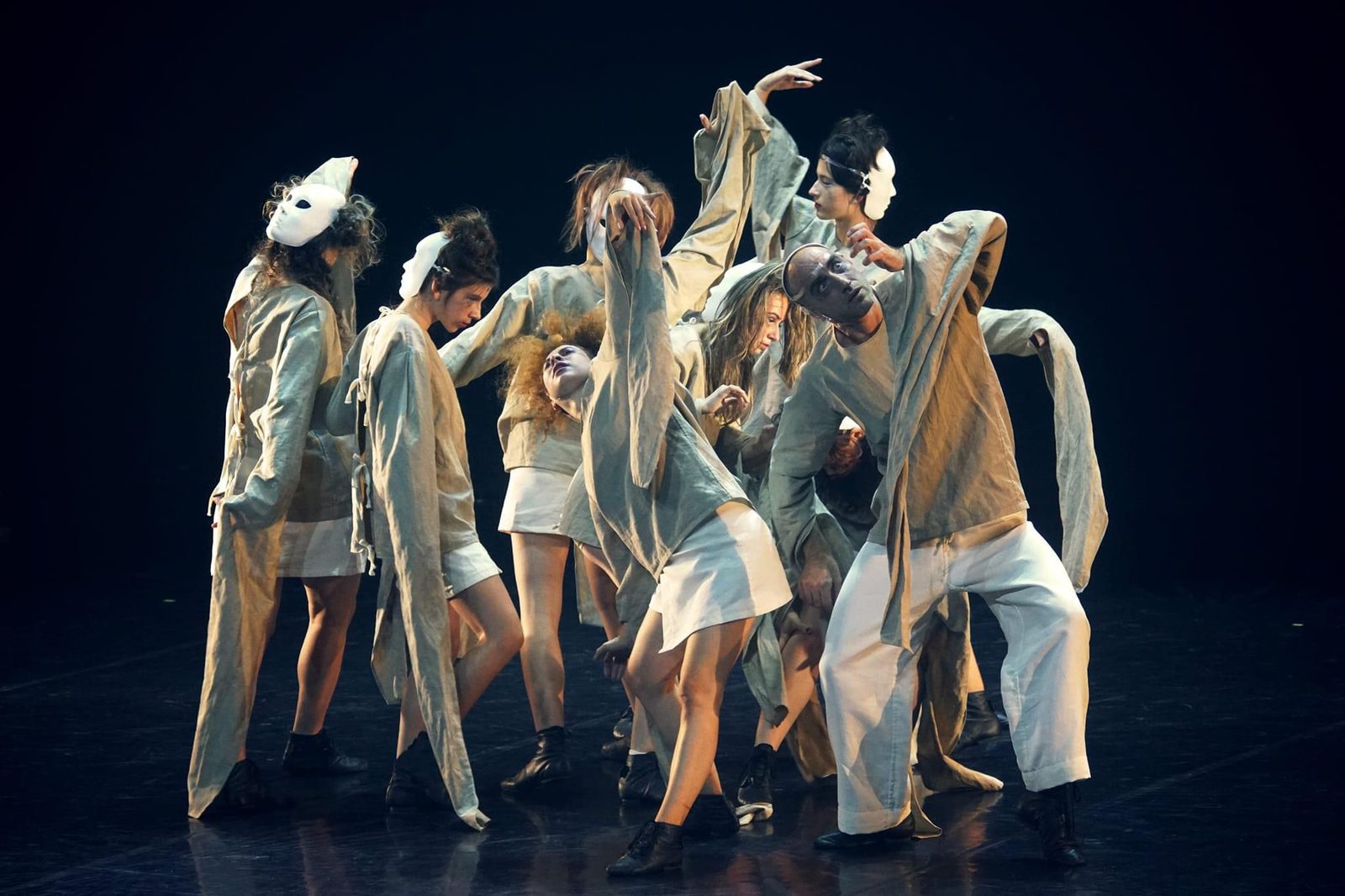
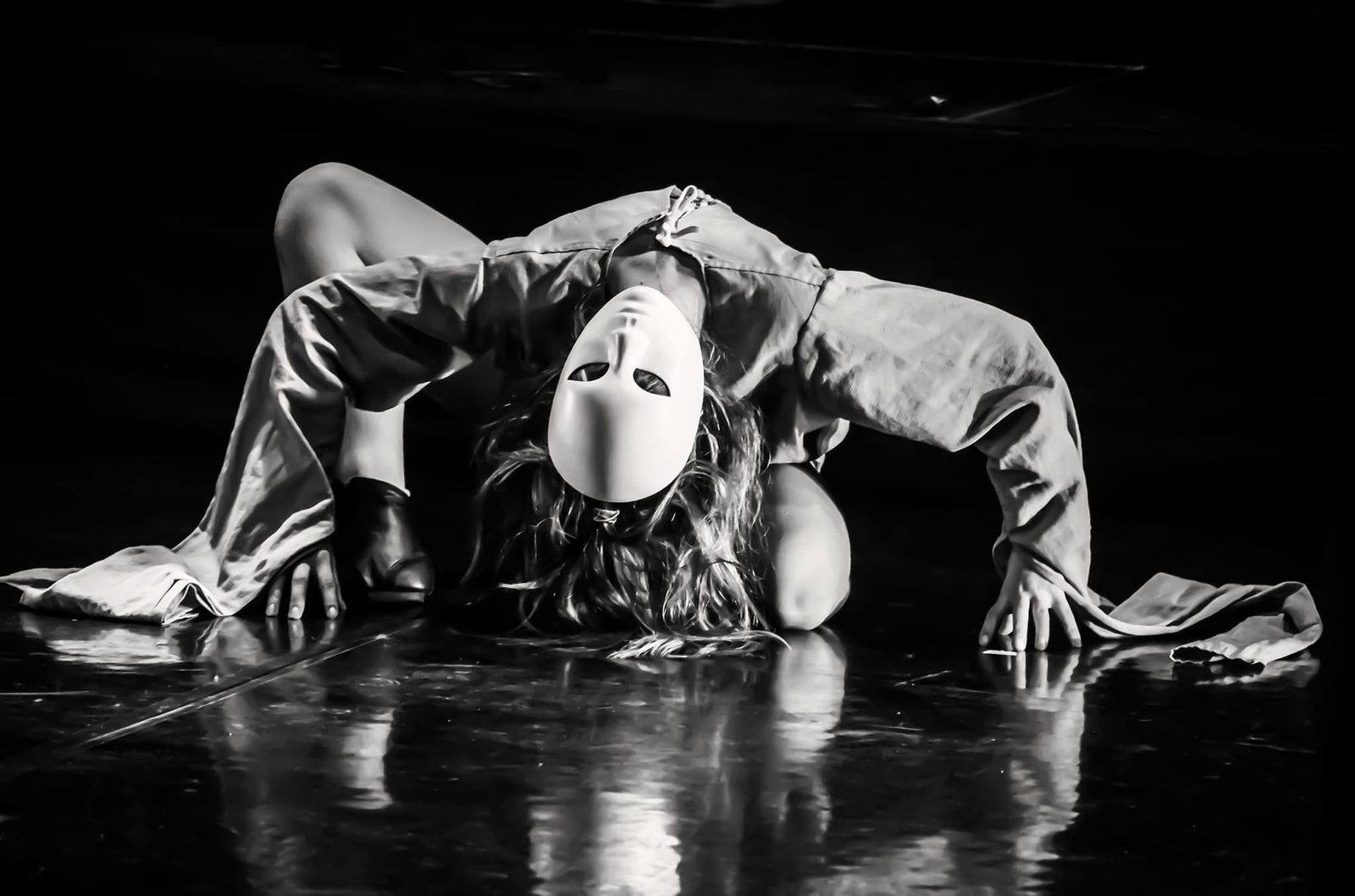
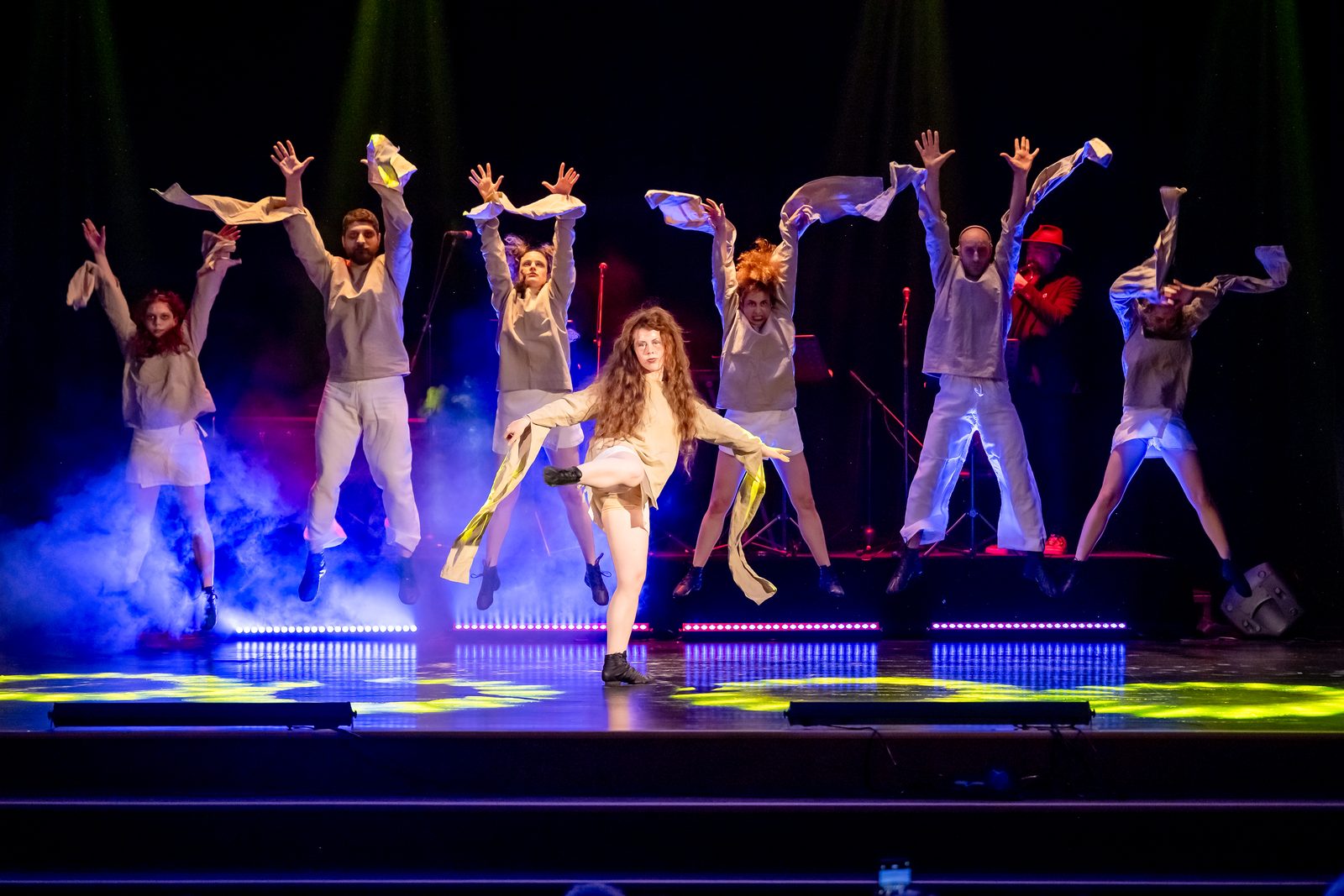
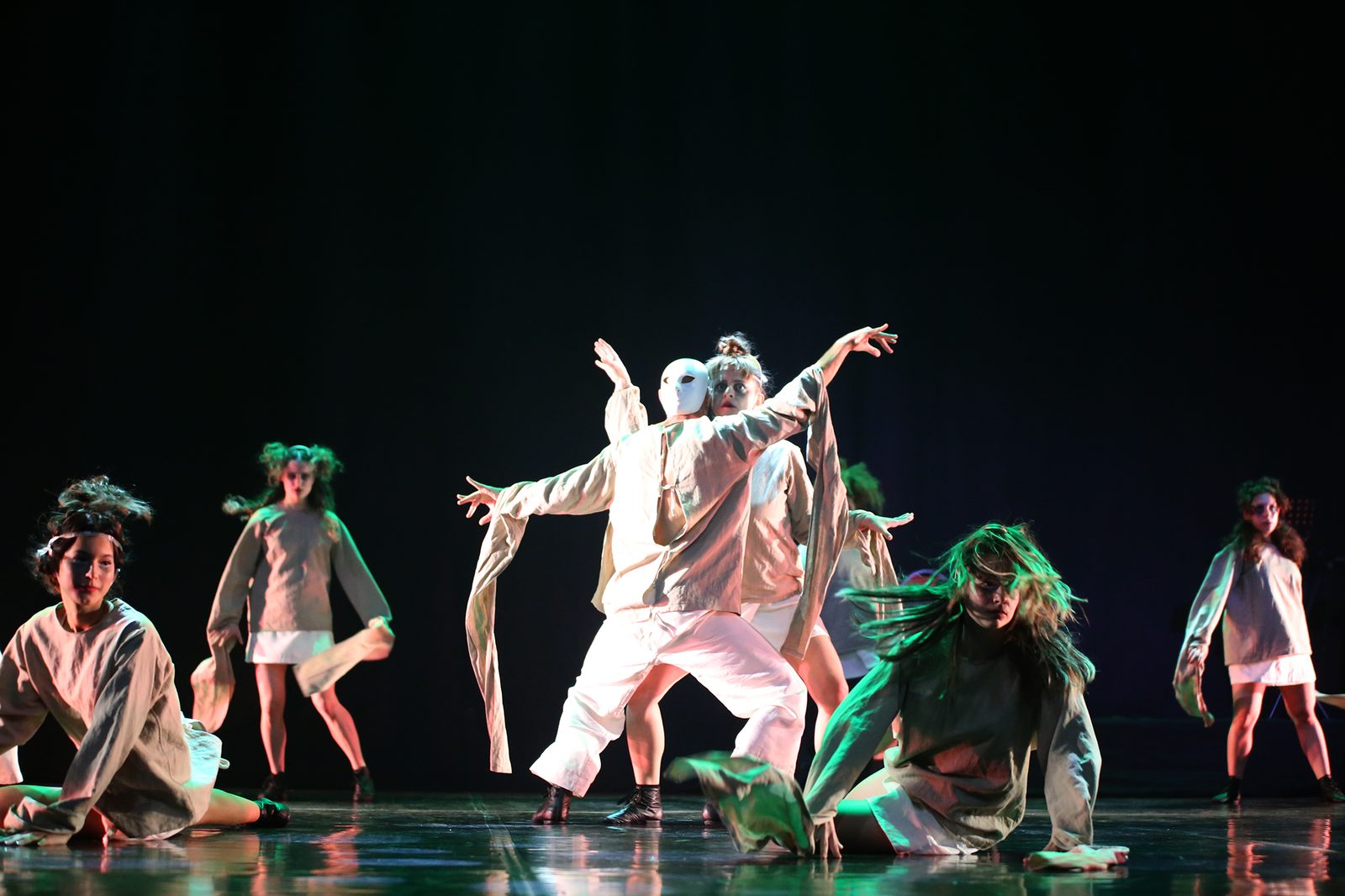
Clipe de Luciditate is an intimate and profound show that reveals the inner world of 13 people brought together in an asylum, each carrying their suffering hidden behind a mask. In this isolated place, where time seems suspended, each character lives moments of lucidity in which the past and traumas rise to the surface.
Throughout the performance we capture fragments of life, characters with histories that have marked their existence, which unfold like an emotional puzzle, revealing the personal drama that brought them to this place of pain.
Living together in this place of suffering, the characters discover that, although they hide their wounds, they are bound by a shared desire for healing and understanding. In these moments of clarity, barriers collapse, “the masks fall”, and the show takes us on a journey through trauma and human fragility, towards a place where no one would wish to end up, but which, paradoxically, reveals universal truths about loss, acceptance and hope.
The show explores human vulnerability and the complexity of relationships, in a symbolic setting that reflects the tension between suffering and the desire for liberation.
Clipe de Luciditate was first created in 1993 by Hugo Wolff, as one of the first contemporary dance works of the MICROBIS Theatre-Dance Company. In Florian Oros’s reinterpretation, the original themes and choreographic structure are kept intact, but enriched with new layers of psychological depth. Through each dancer’s personal contribution, the show gains a renewed intensity, becoming a living dialogue between past and present.
The show was presented on 27 November 2024 at the Student Culture House of Alba Iulia, as part of the 28th edition of the “Serbările Unirii” National Student Festival.
Diana-Elena Cătănescu, Raluca-Sânziana Cristea, Ana-Daniela Drăgan, Erika-Patricia Hera, Annemarie Lutsch, Teodor Mariu, Bogdan-Dumitru Miron, Florian Oros, Luiza-Cristina Părduț, Alexandru Popa, Eleni-Alexandra Popa, Teodora-Maria Popa, Alexandru-Constantin Rada
Petru Adam – trumpet, Carina Cataramă – pan flute, Liviu Cernat – violin, Ovidiu Pârjol – piano, Claudiu Leș – guitar, Nicolaie Beșleagă – keyboards, Dominique Simionescu – vocals, Gheorghe Berghian Gino – vocals






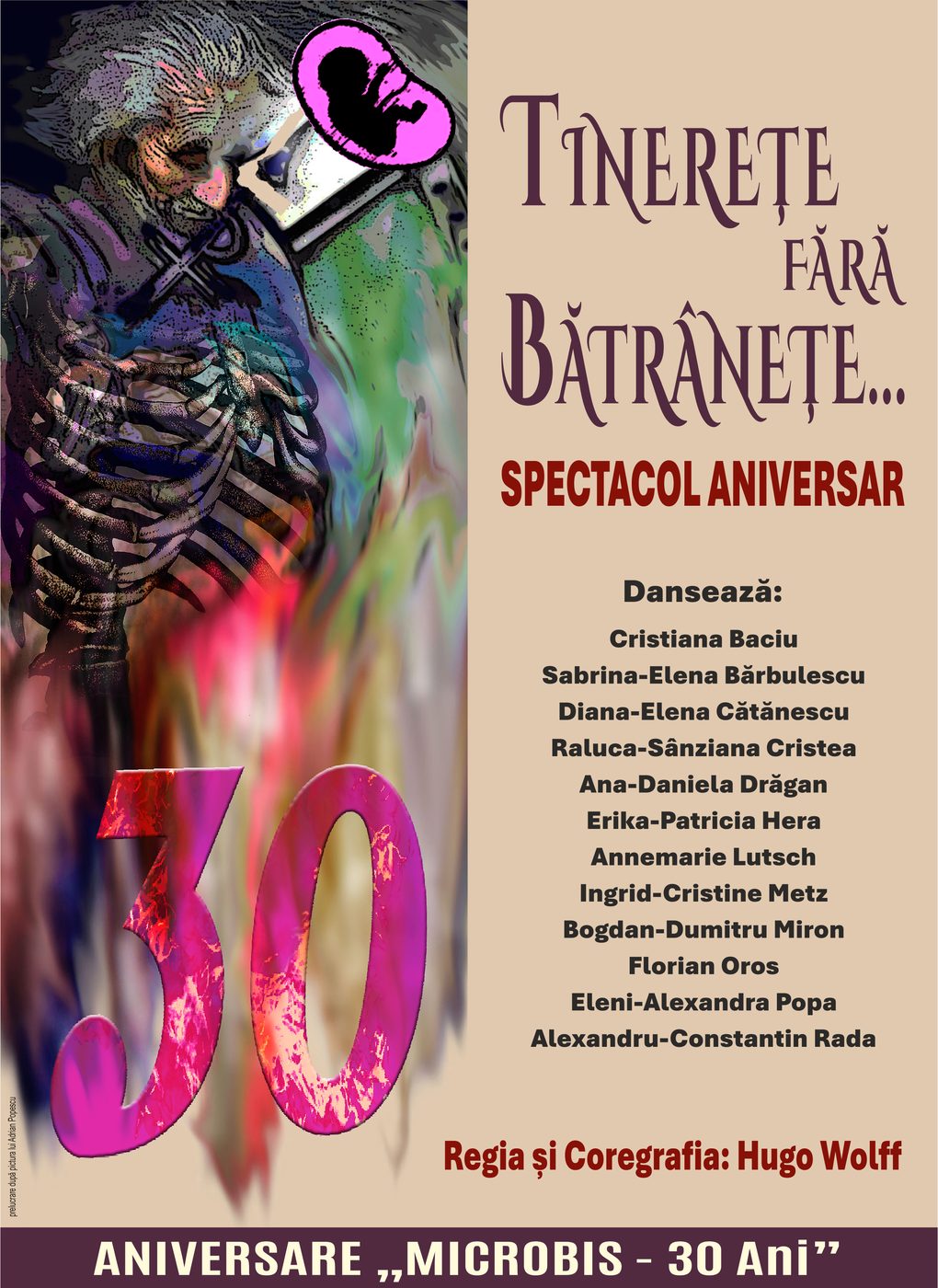
Anniversary show · Microbis 30 years
The last choreography signed by Hugo Wolff for the company he founded.
Direction & choreography: Hugo Wolff · Occasion: “Microbis – 30 years” anniversary · Year: 2023
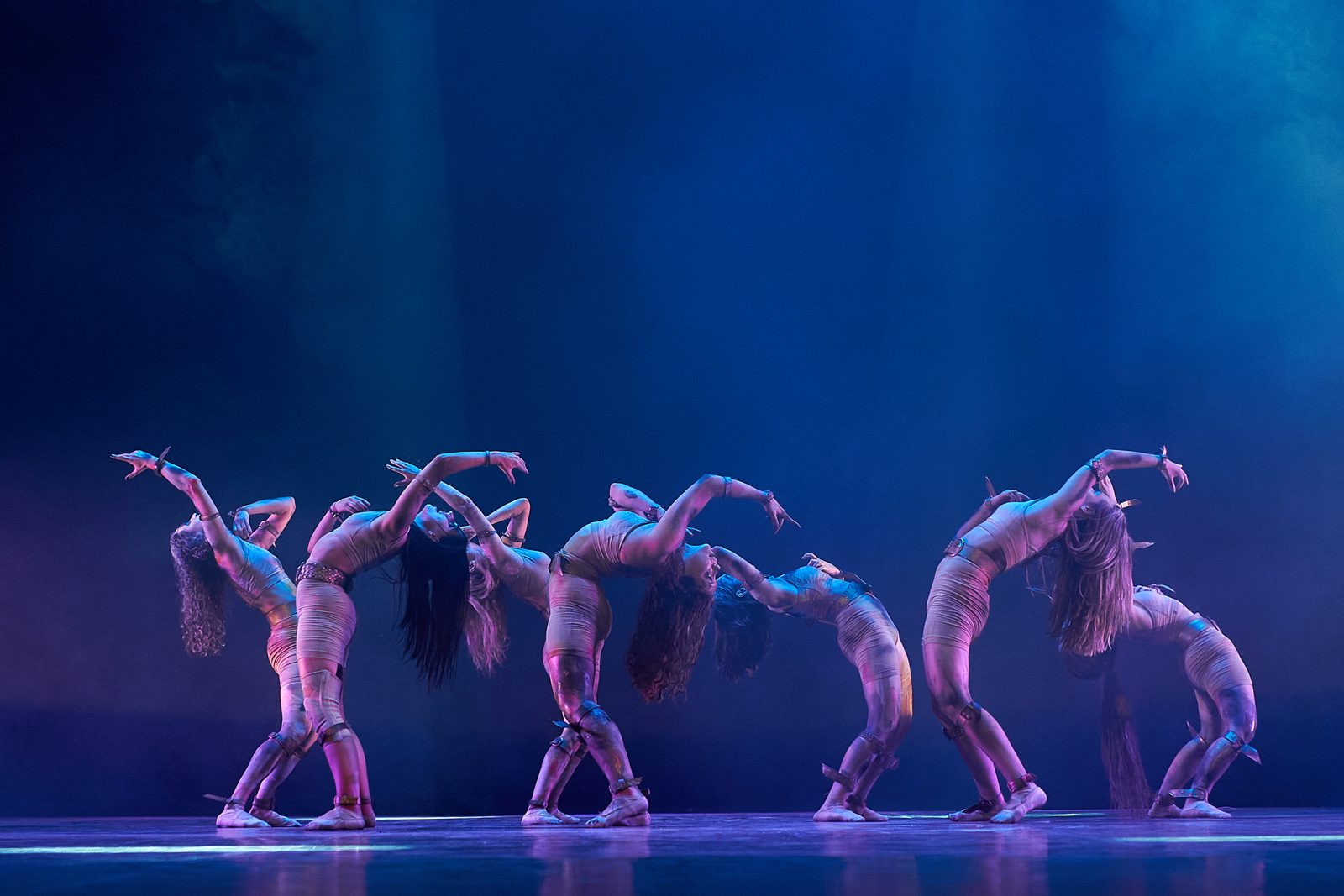
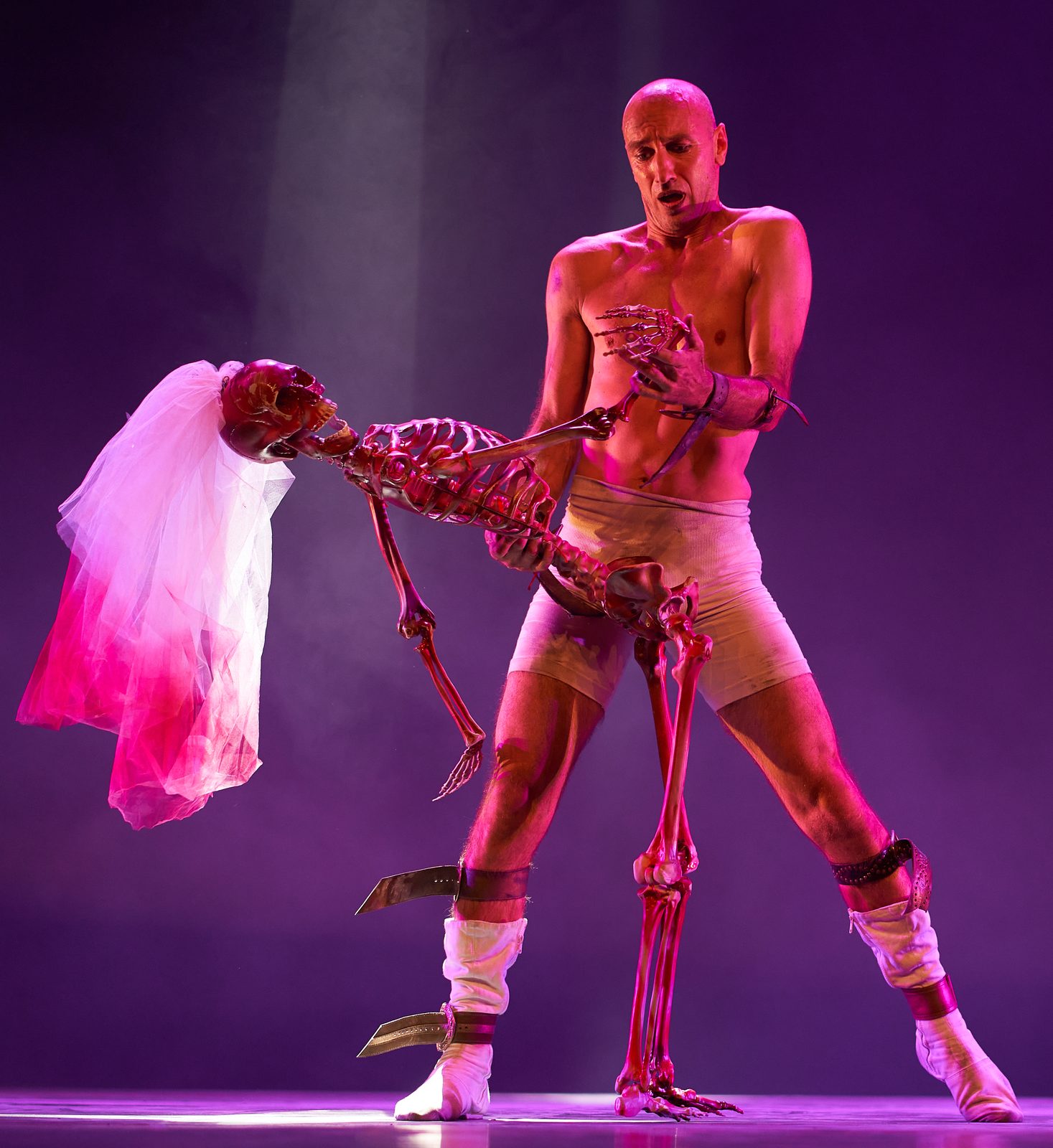
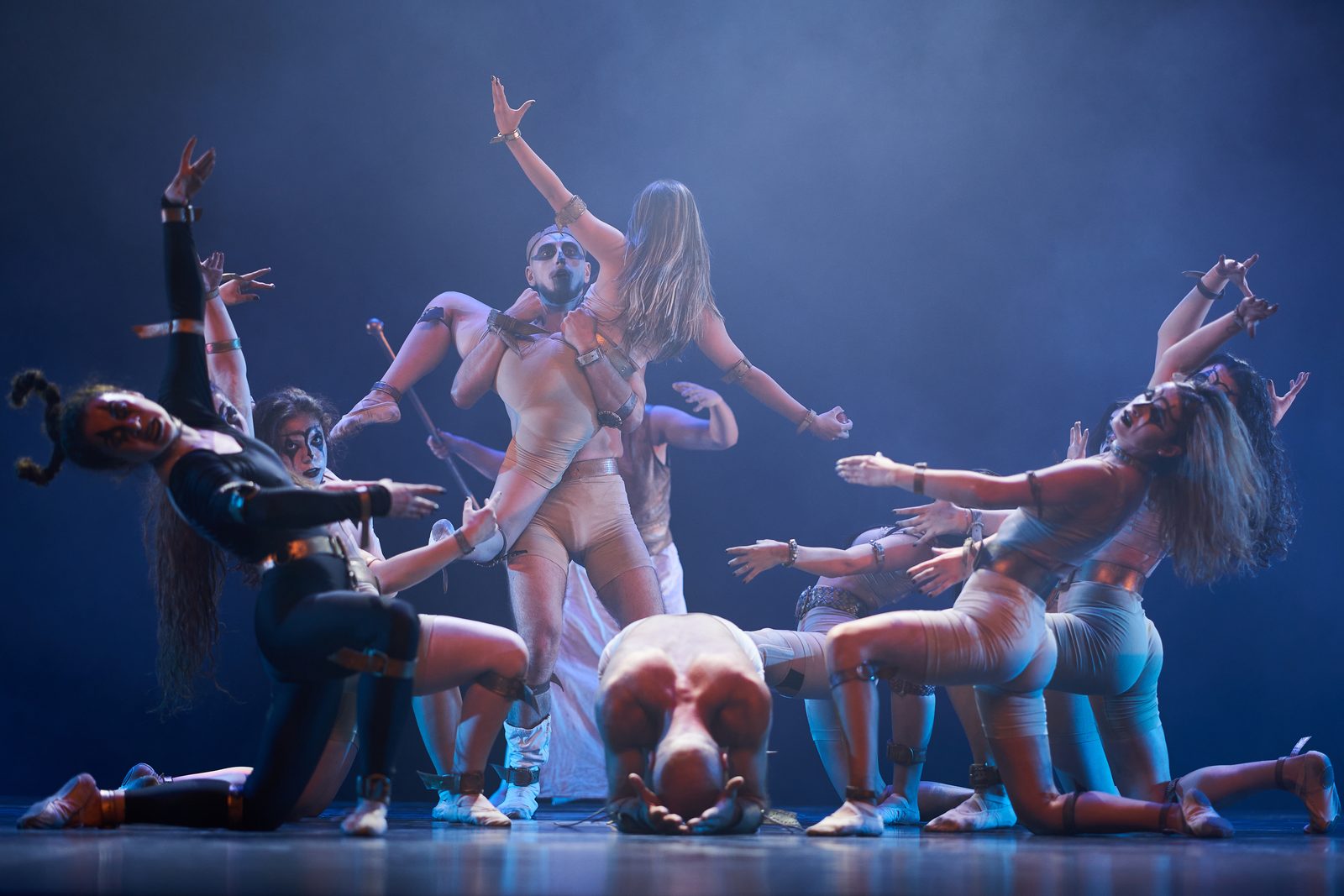
Conceived as a synthesis of thirty years of creation, the show explores the dance of death and the cycle of human life through a “doubled” character — wearing a human skeleton on one side of the costume. The local press described the creative process as one of particular intensity, with Hugo Wolff himself being, at that time, “in a veritable creative trance”.
“Tinerețe fără bătrânețe” was conceived to mark three decades since the company was founded. Shortly after this anniversary, Hugo Wolff died suddenly, on the night of 27 to 28 August 2023 — and the show has remained, in retrospect, his artistic testament.
Cristiana Baciu, Sabrina-Elena Bărbulescu, Diana-Elena Cătănescu, Raluca-Sânziana Cristea, Ana-Daniela Drăgan, Erika-Patricia Hera, Annemarie Lutsch, Ingrid-Cristine Metz, Bogdan-Dumitru Miron, Florian Oros, Eleni-Alexandra Popa, Alexandru-Constantin Rada





Choreographic theatre
after William Shakespeare
Choreography, set, costumes: Hugo Wolff · Genre: Choreographic theatre · Year: 2019
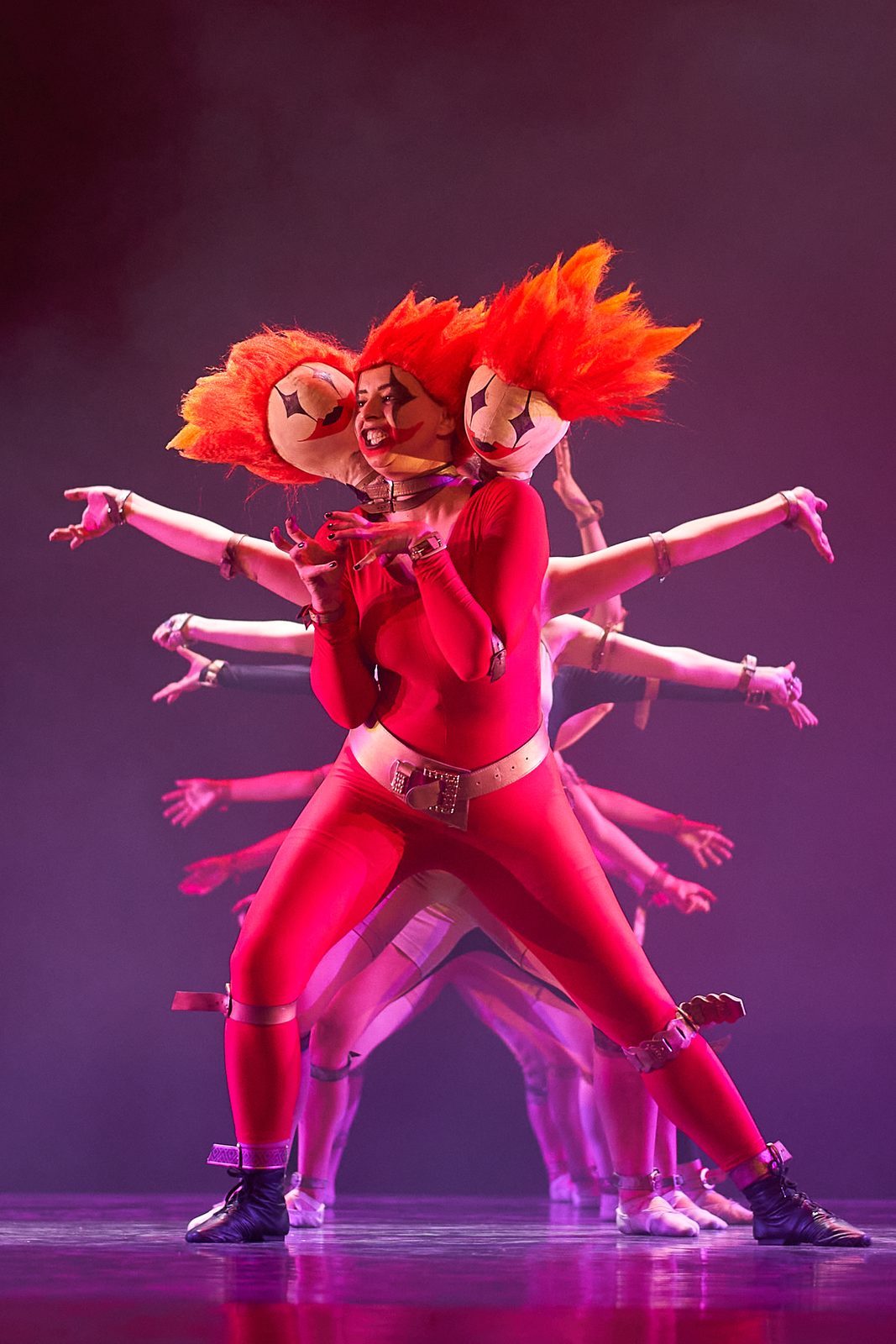
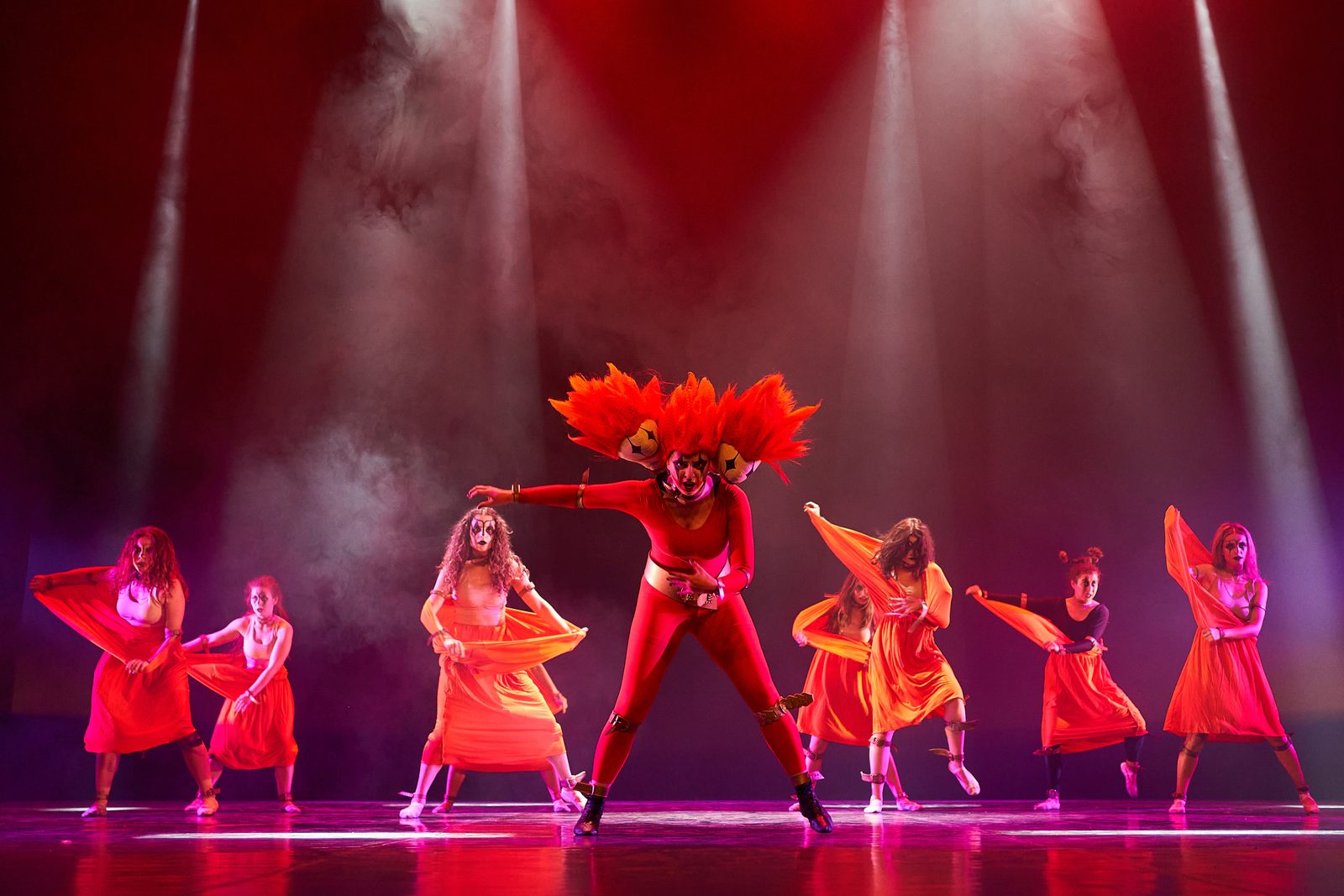
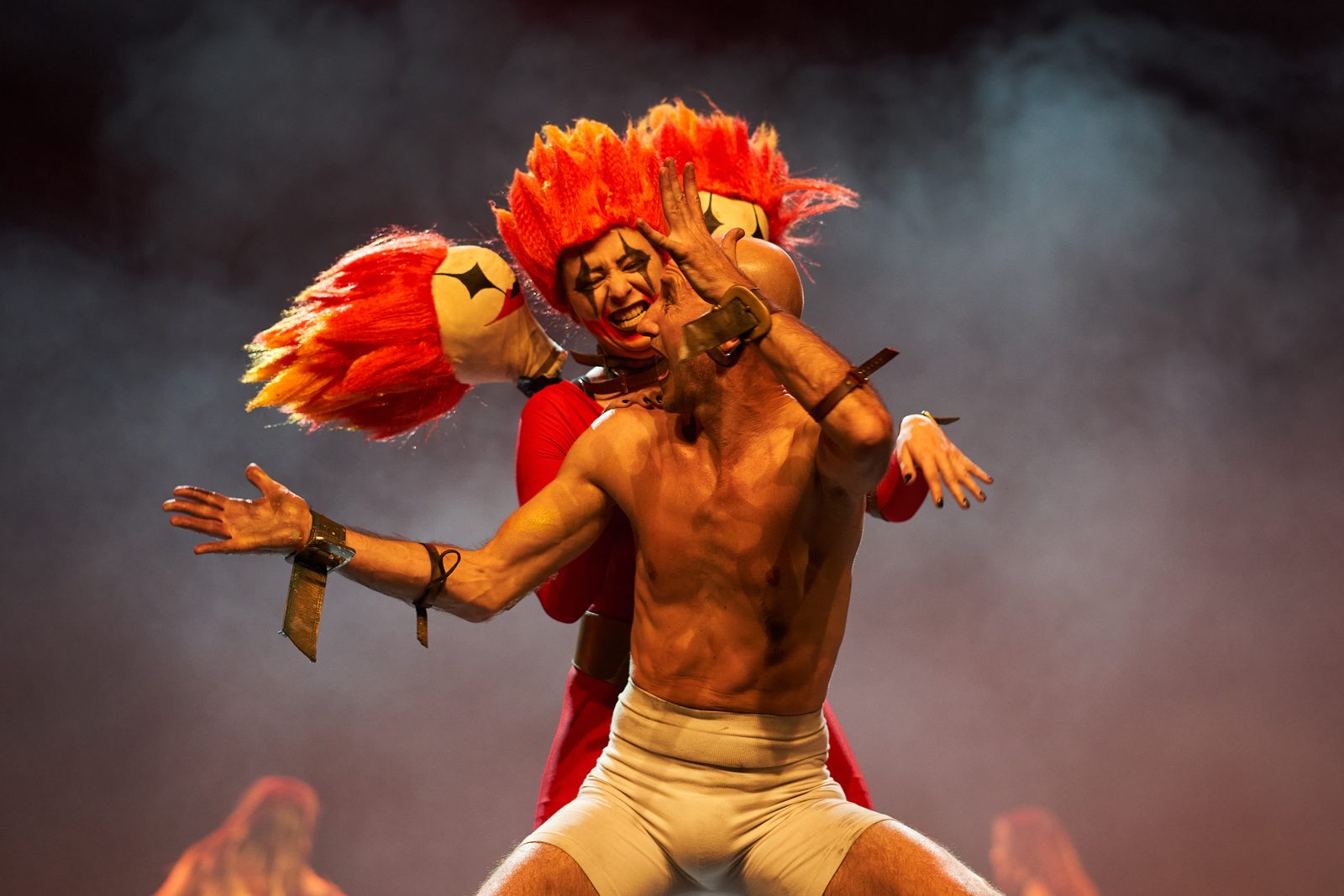
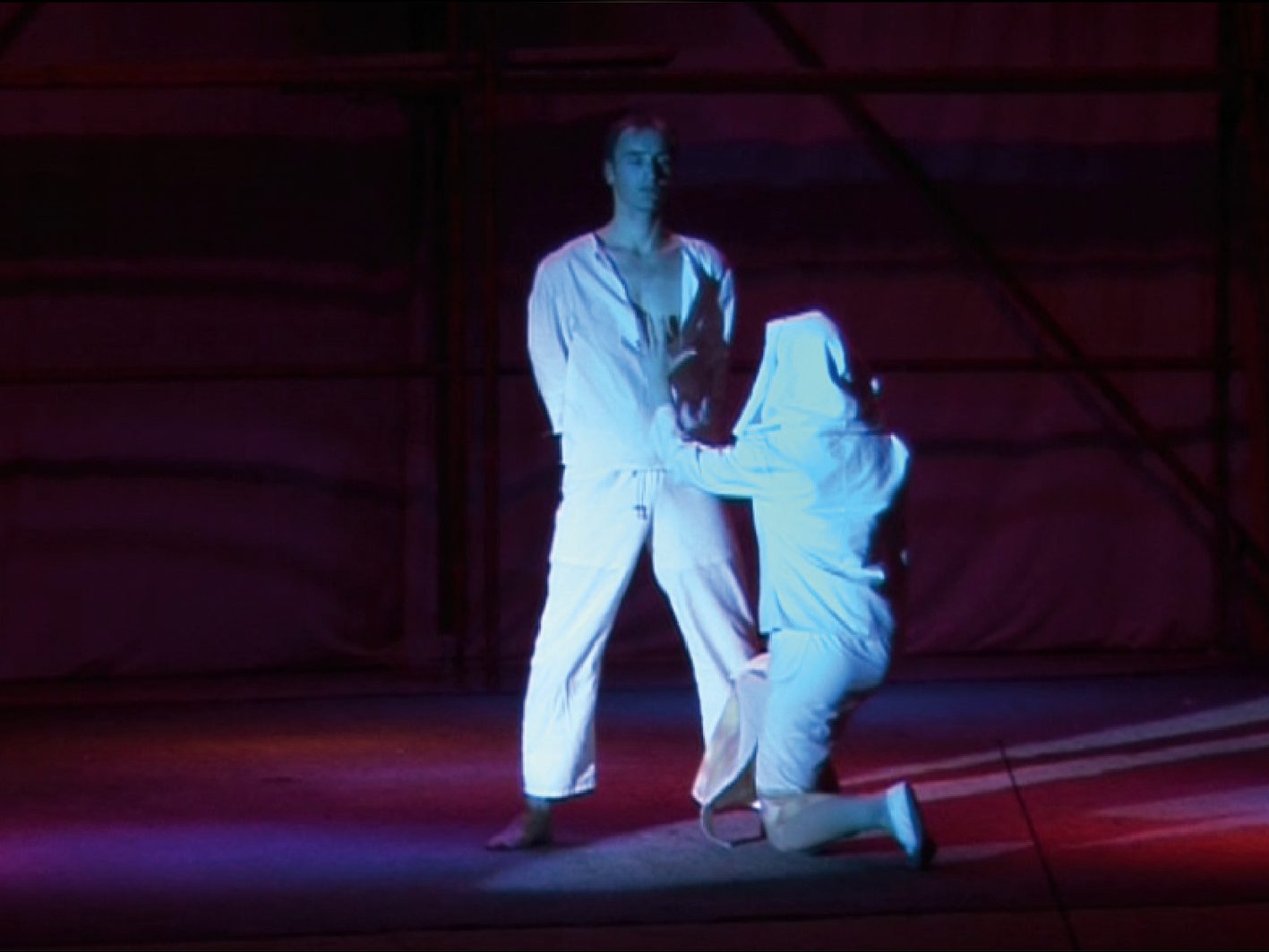
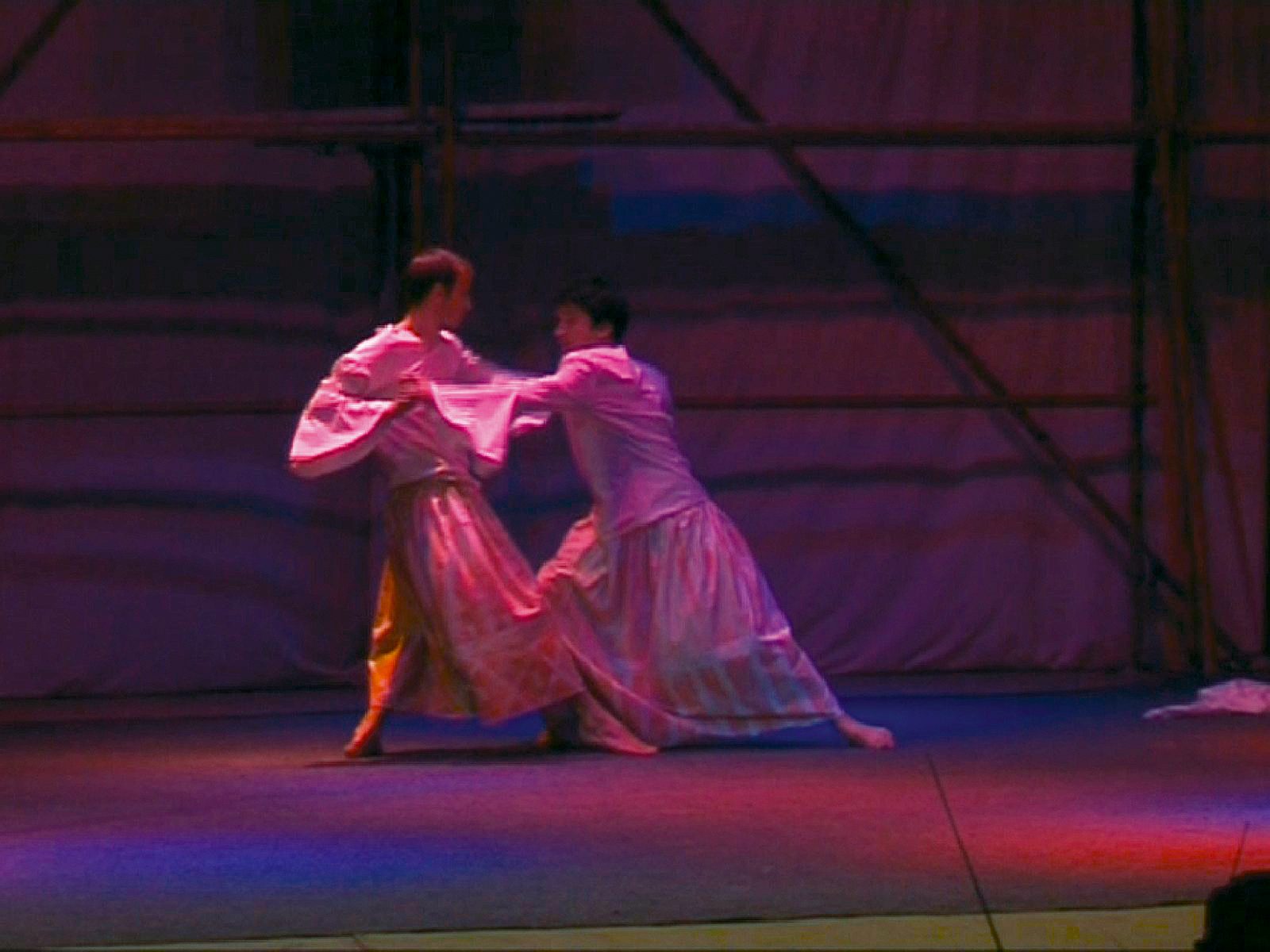
Romeo și Julieta, or “the most beautiful and tragic love story of all time”, in which words lose their intensity and are replaced by powerful emotions and feelings. The main ingredient on the leaflet is love, which is perhaps the most youthful and maddest component of human existence. Love ennobles you, yet it also soils you. Out of love we smile or suffer, we dream or decline, we are blinded by happiness or driven mad by anxiety. The dosage is contagious and it can happen to anyone, at any time, and there is surely a place where all these contradictory states coexist in harmony.
This time we are not in Verona, but in an asylum, where reason disappears and genuine feelings manage to overwhelm the individual. In the white room, life is rewritten at maximum intensity, with mad joys or with dramas coming from the past, from the outside world made up of rivalries, struggles and social status. In this context, two young people look at each other naively and fall in love in an instant. A sweet cocktail, full of eroticism and desire, floods their minds and souls, but when love runs up against impossibility, reason disappears. Emotional pain grows in an enclosed space, and keeping one’s mental balance is almost impossible, just like balancing on a strand of barbed wire.
The feelings and emotions of the two are accompanied by music and rhythm. We realise that there are moments when the lines of the body, the energy of movement, the abstract and the concrete merge and remove the need for words, forming a sea of images and messages full of unsettling feelings. Storms of continuous actions and emotions follow one another on stage until, in the end, silence settles. A painful silence. Love proves to be the most beautiful feeling and the only one that can still do us good, as people, as a whole, as a society. It is the only one that heals us and that can bring us back – together.
The show was presented by the Microbis Association and the Microbis Theatre-Dance Company, with the Student Culture House of Sibiu (Casa de Cultură a Studenților Sibiu) as partner.
Alina-Ioana Găvozdea, Eleni-Alexandra Popa, Ingrid-Cristine Metz, Sabrina-Elena Bărbulescu, Diana-Elena Cătănescu, Silvana-Maria Vlad, Raluca-Sânziana Cristea, Erika-Patricia Hera, Ana-Daniela Drăgan, Miruna Cândea, Ioana Cînduleț, Florian Oros, Alin Avram, Bogdan-Constantin Miron, Teofil Băluță



Theatre-dance
after Hans Christian Andersen
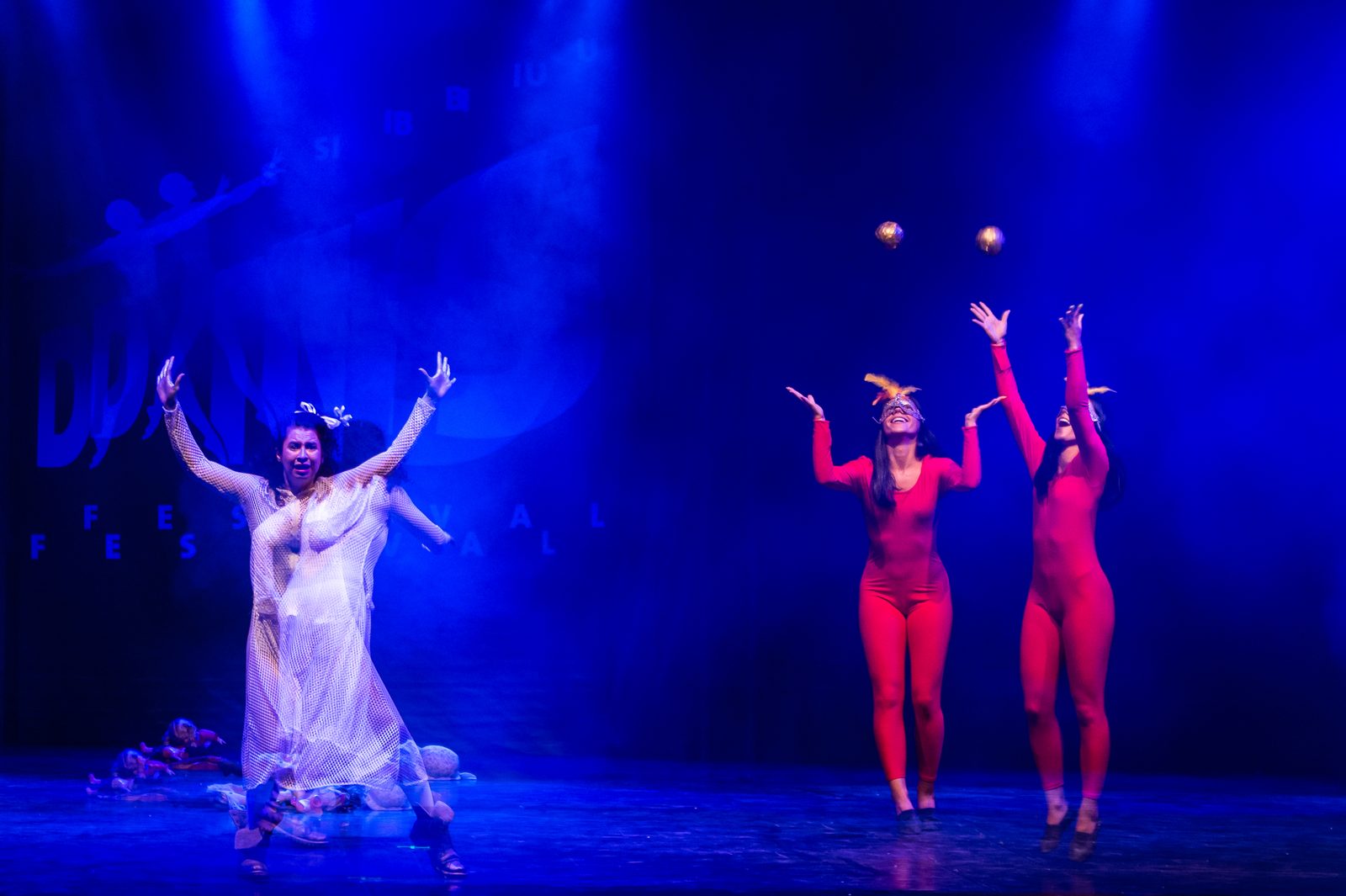
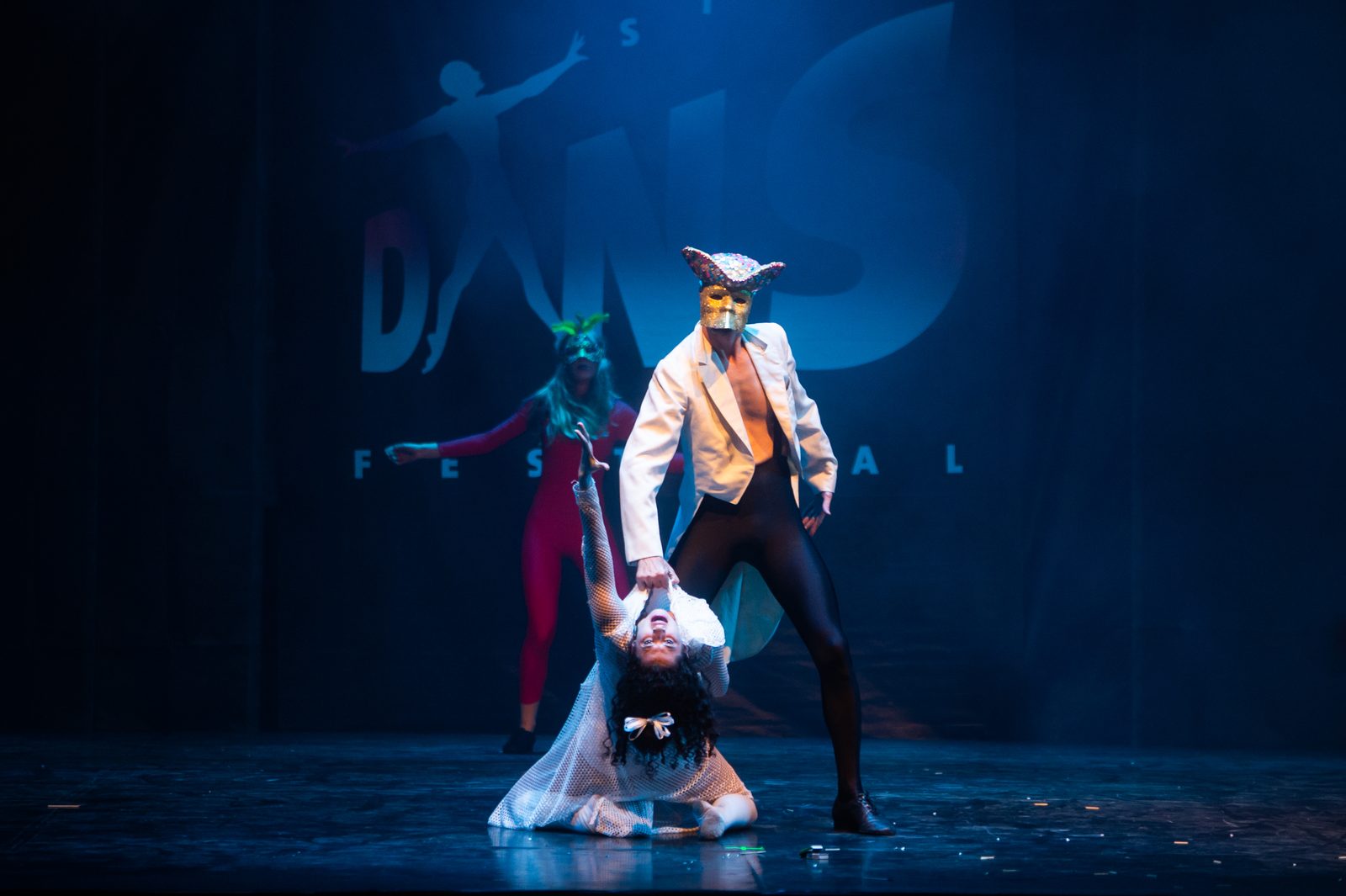
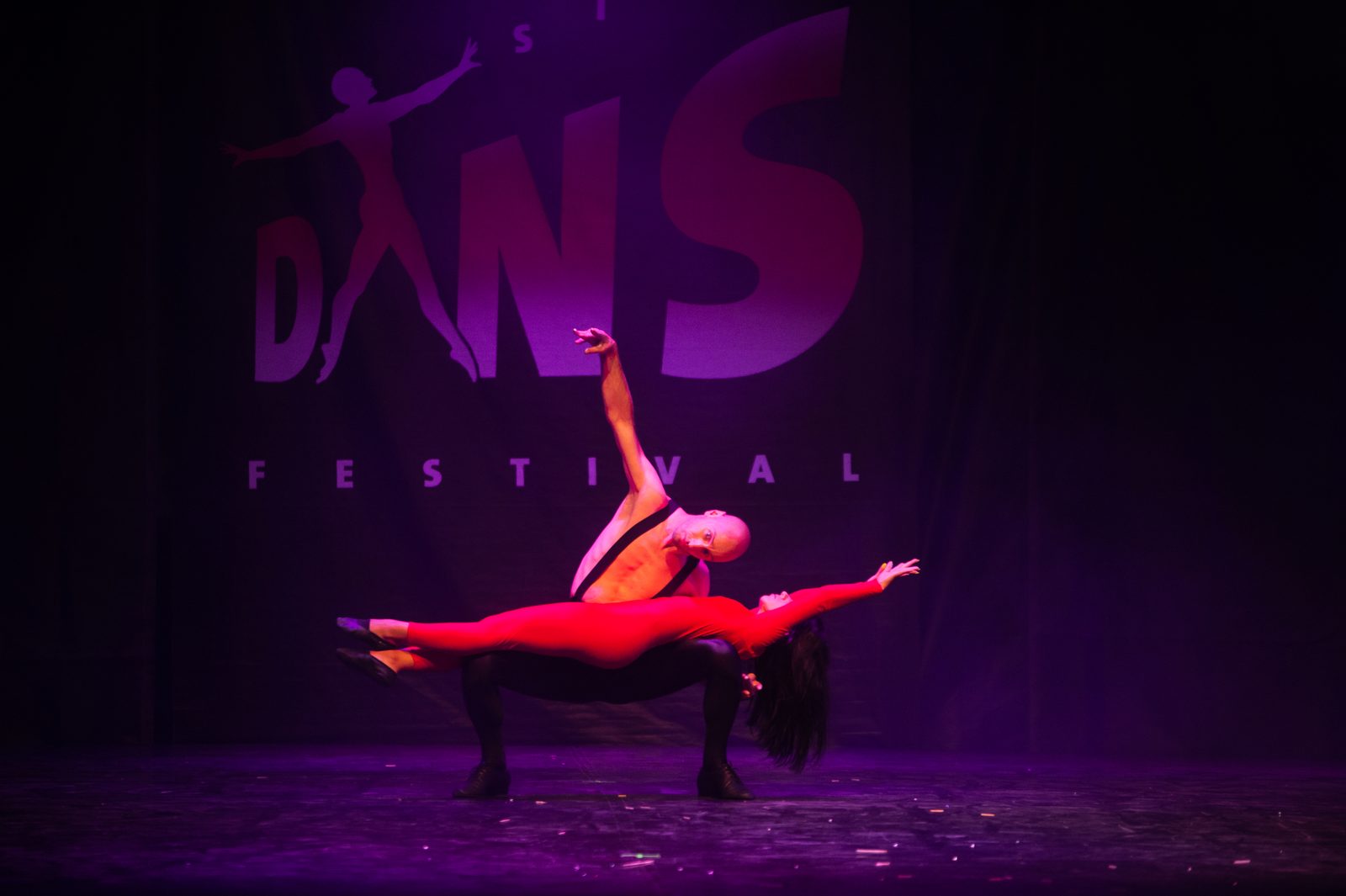
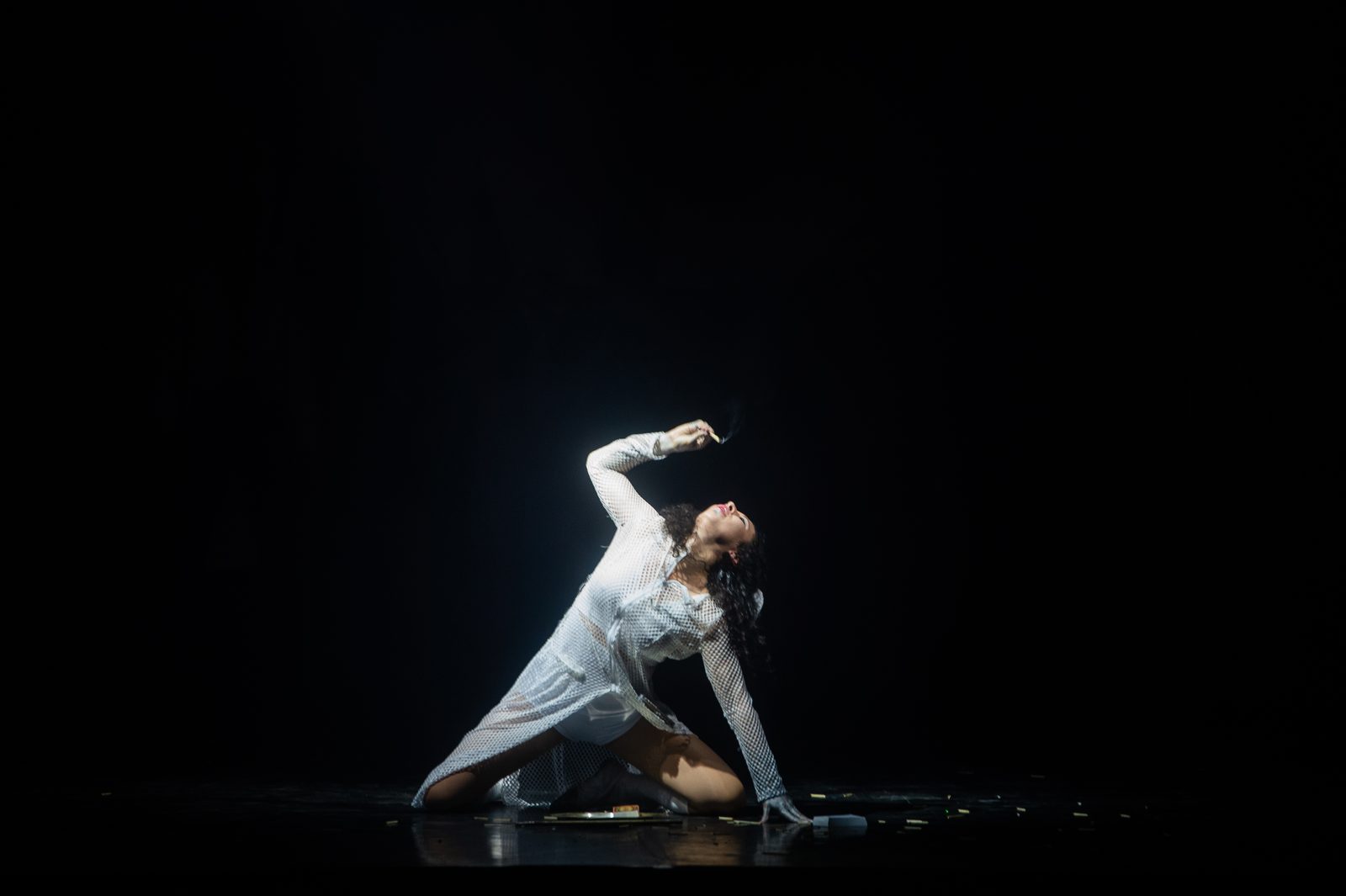
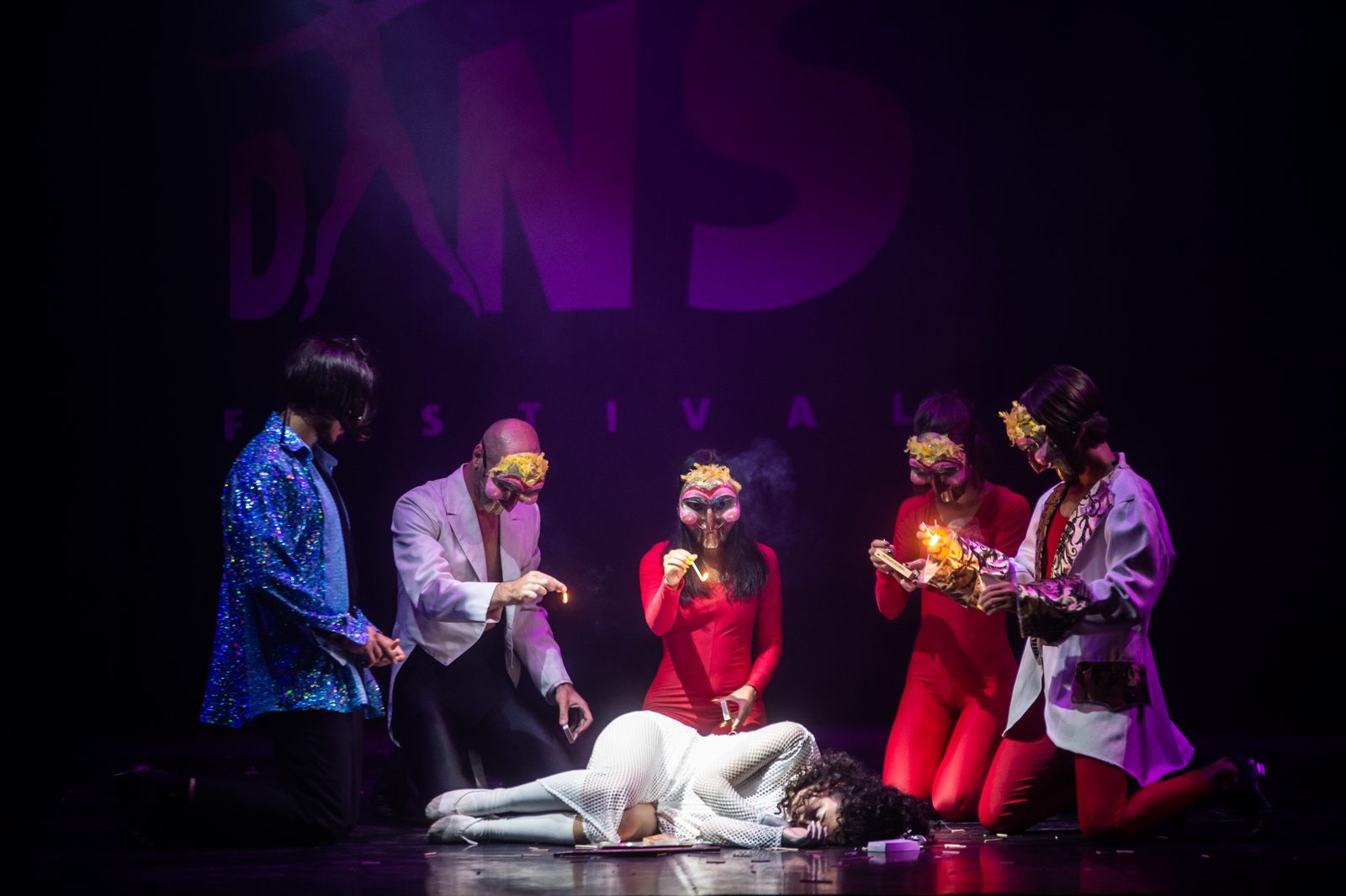
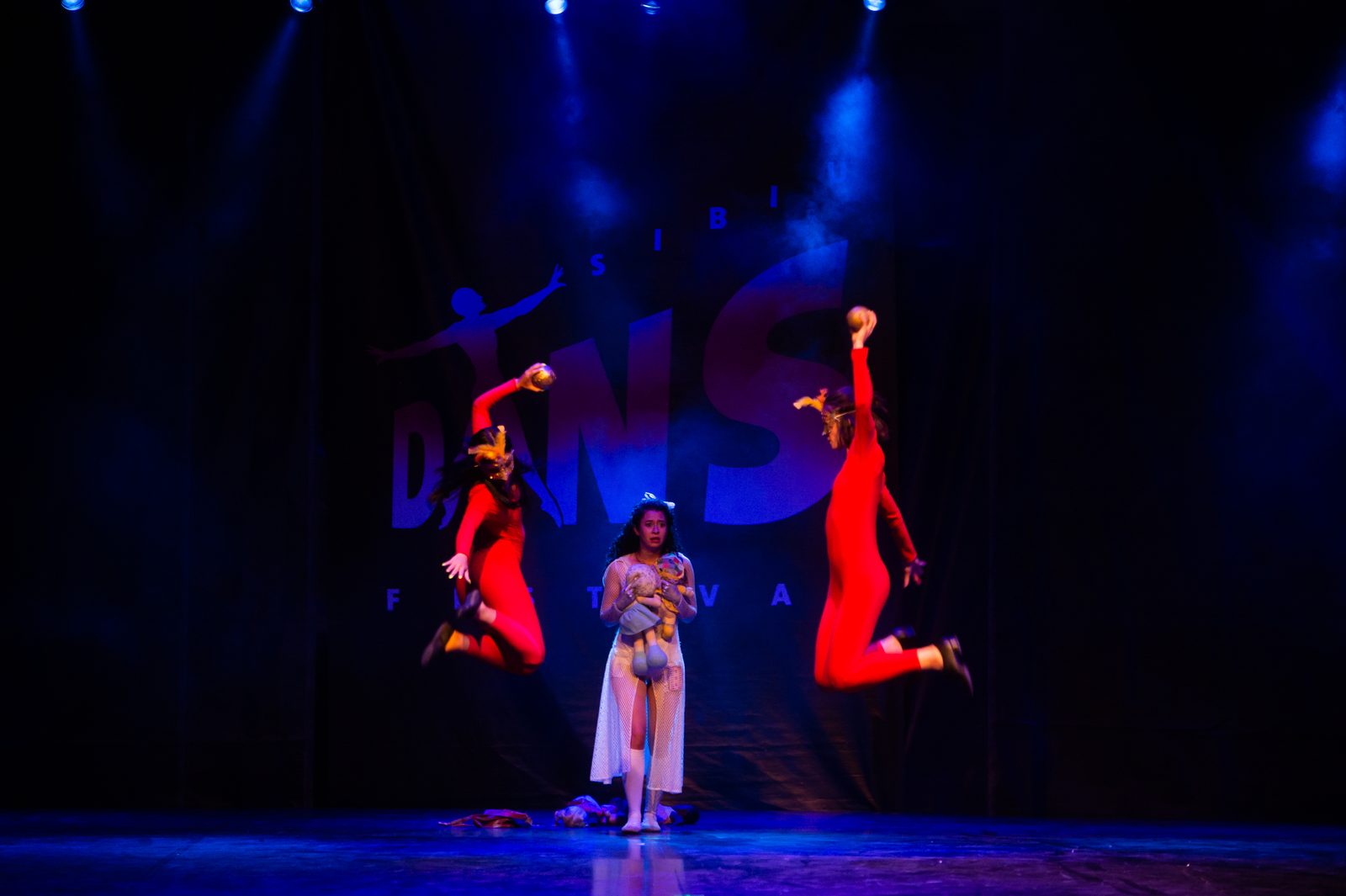
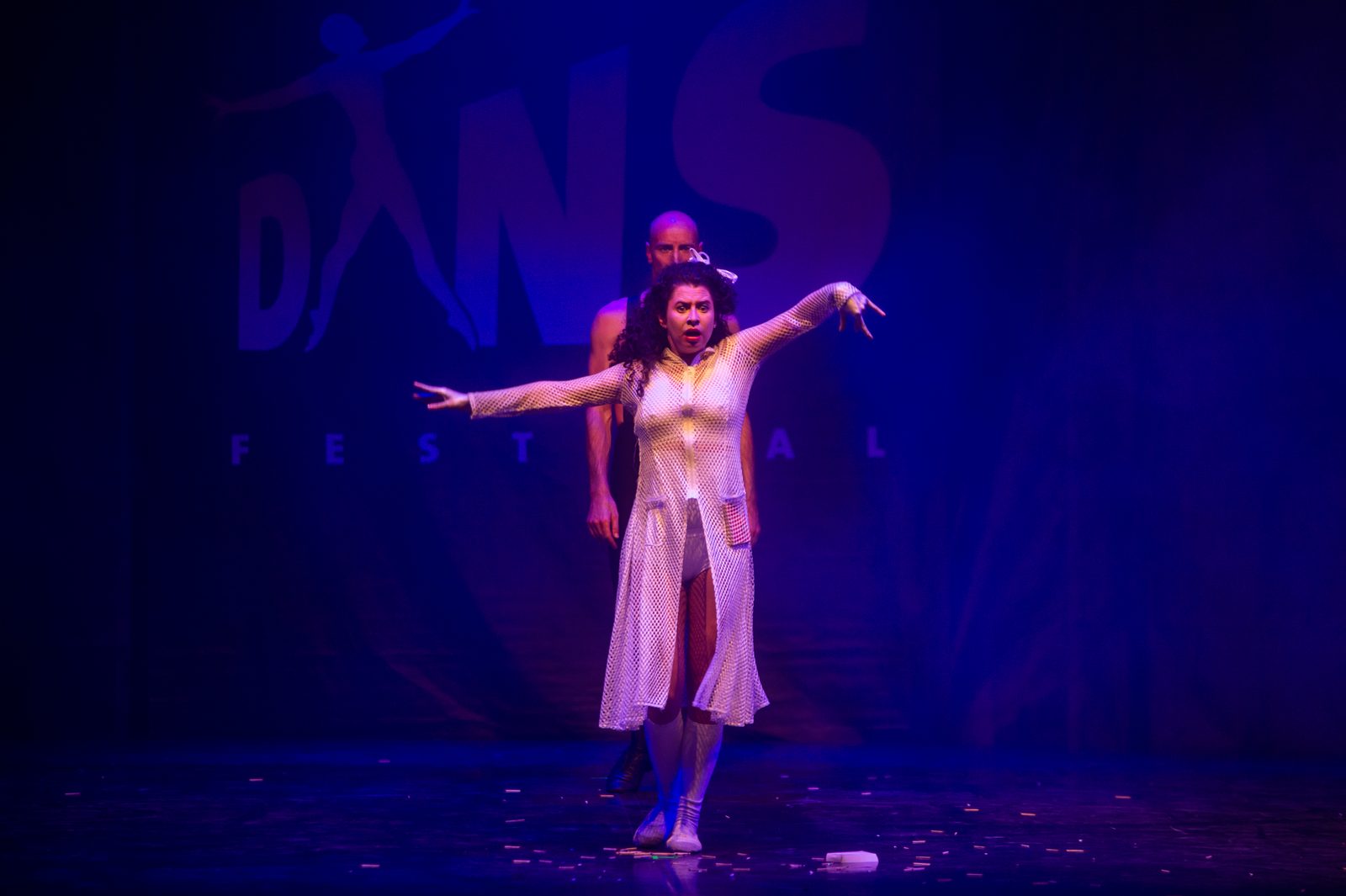
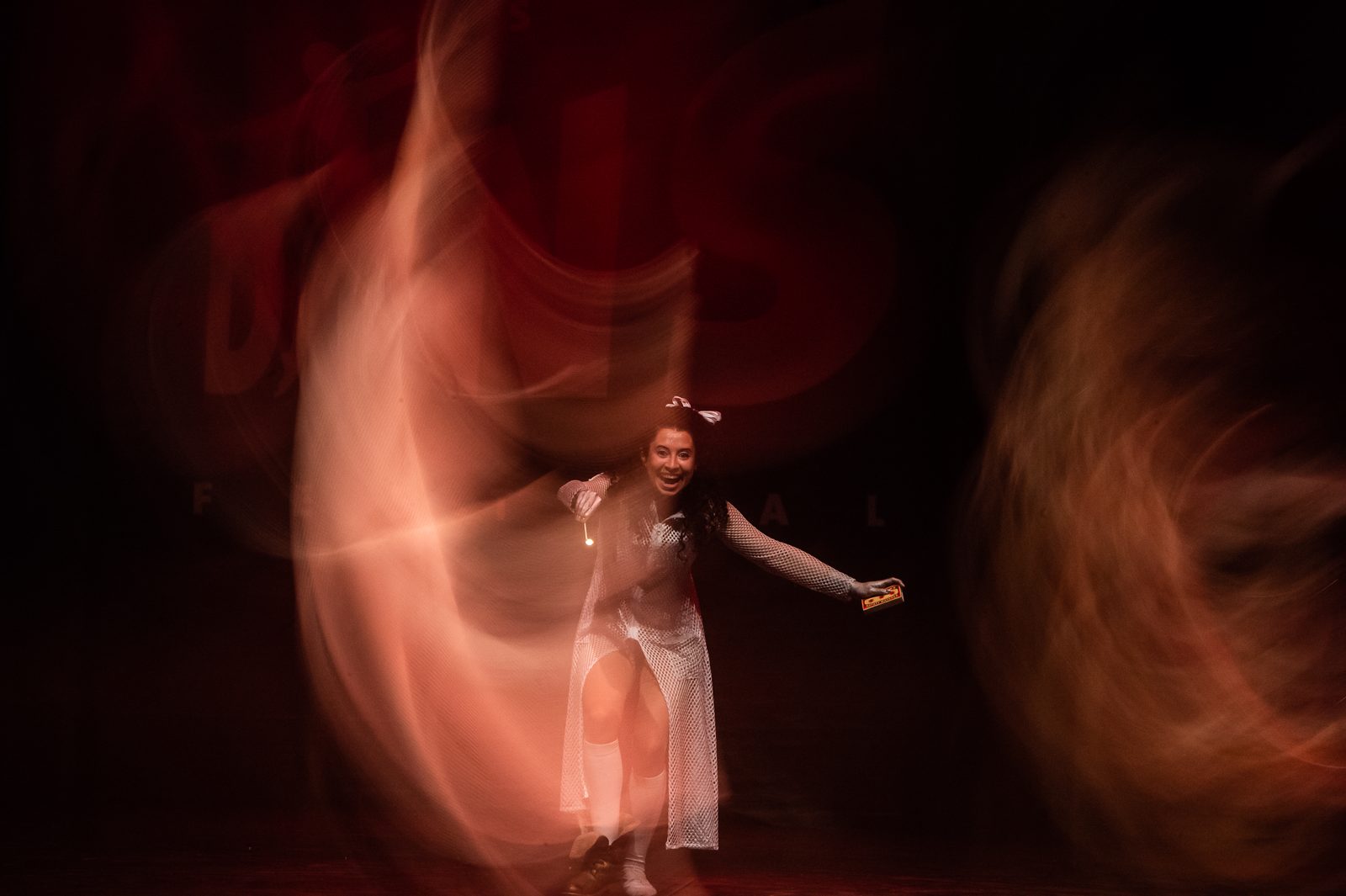
Direction & choreography: Hugo Wolff · Genre: Theatre-dance · Year: 2018
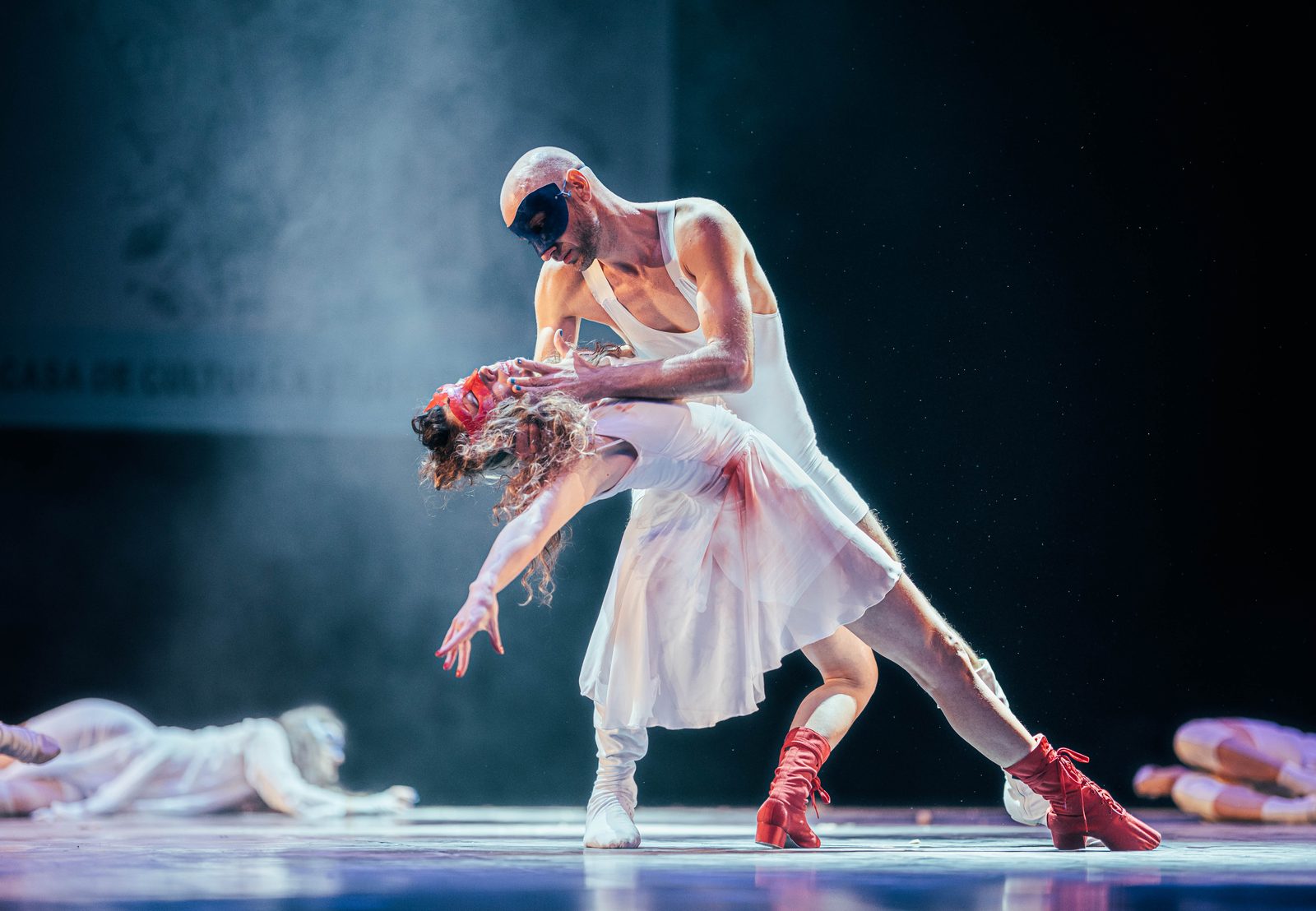
In a society that leaves its children to grow up alone, their exploitation is only one step away. The story is more topical than we would hope it to be; every person and every animal without immediate access to physical warmth, and to warmth of the soul as well, is a “Fetiță cu chibriturile” who will surely die in the end.
We chose to tell the story through movement – the primal, visceral gesture – which can be more important than the spoken word, although Andersen’s genius cannot be ignored. While in our youth everyone knew “Fetița cu chibriturile” (The Little Match Girl), the story in which the girl is forced by her father to sell matches in order to survive, nowadays a child is more likely to know the latest computer program on the market than this literary masterpiece.
The little girl is cold, barefoot and poor – without a friend in the world – but not without hope. She dreams of warmth and light, of a time when she will be surrounded by love and filled with happiness. These dreams are so far from the sphere of her present experience that others would have given up such dreams long ago. But she does not give up hope.
Nevertheless, the harsh realities of poverty haunt the girl’s reality – she must sell matches out of fear of being beaten by her father when she returns home, and this fear makes her stay outside the whole night, which ultimately leads to her death.
We may not think about the horrible things that happen every day, and they are hard to explain to our children. It seems, however, that we can often learn the greatest lessons from children – in the way they manage to cope with the most uncertain situations.
In those final moments, this little girl sees visions of splendour. She sees hope. But her death – punctuated by a star falling in the dark sky – is tragic and disturbing.
The little girl is a symbol of the countless nameless people who suffer and die in poverty every year, yet remain unnoticed. It is not just a sad story, but a reality check for all of us. We must be grateful for everything we have and generous towards those in need.
It may seem old-fashioned to try to demonstrate, through a fairy tale, all the crises of present-day society and to call them out through a secular ritual of theatre-dance on a modern stage, for the benefit of an audience held permanently captive by technology and the virtual. But for us, the characters’ feelings and gestures are more important than all existing holograms and programs; that is why we keep our wager with the divine, wanting to show that human relationships, compassion and the highest ideals are not chimeras controlled by satellite or drones, but palpable, real things, all the more necessary for a healthy and civilised society.
A production of the Student Culture House of Sibiu.
Diana-Elena Cătănescu, Florian Oros, Sabrina-Elena Bărbulescu, Eleni-Alexandra Popa, Diana Duțu, Ioana Stoica, Raluca Adam, Bogdan-Constantin Miron, Teofil Băluță







Theatre-dance
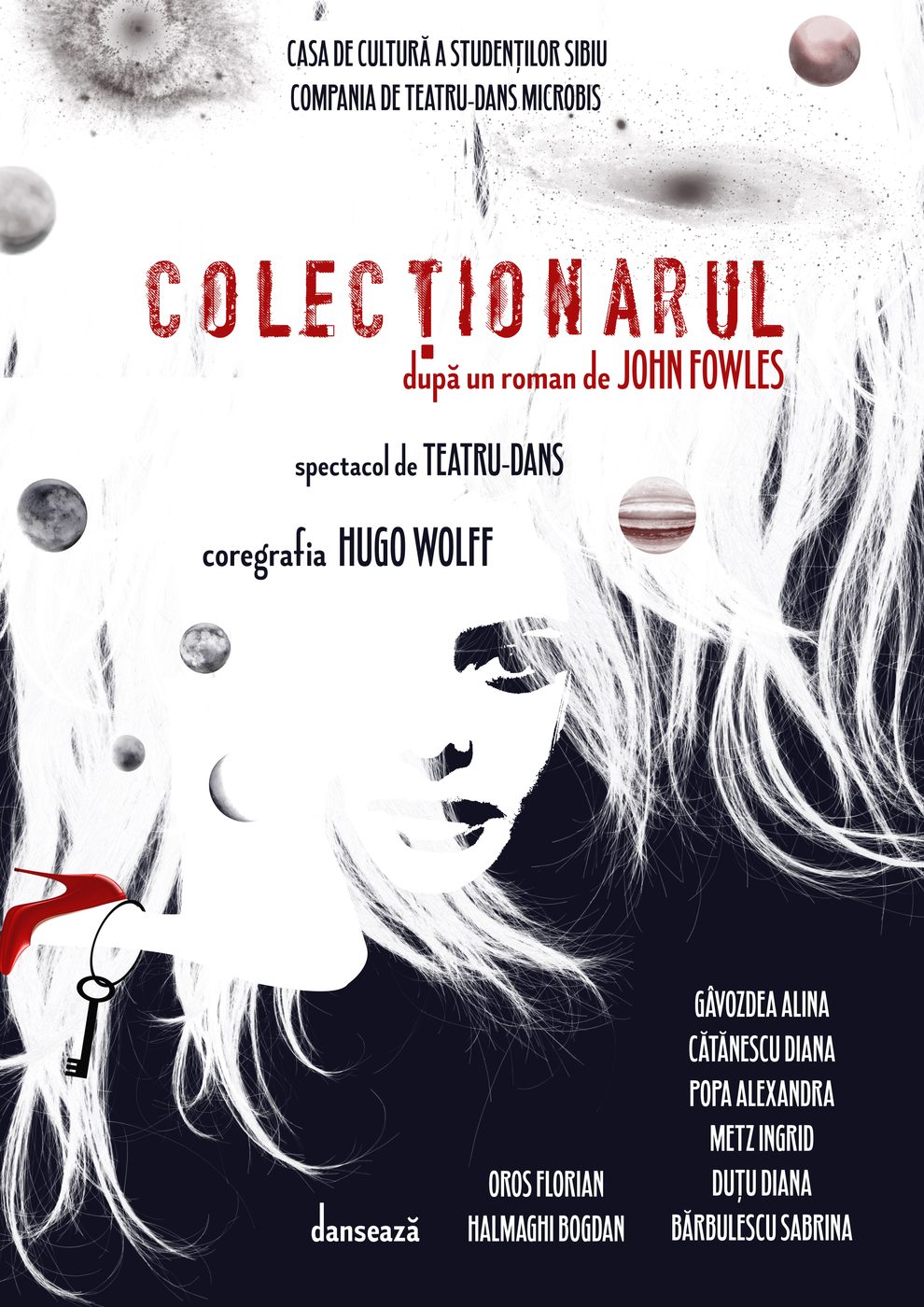
after a novel by John Fowles
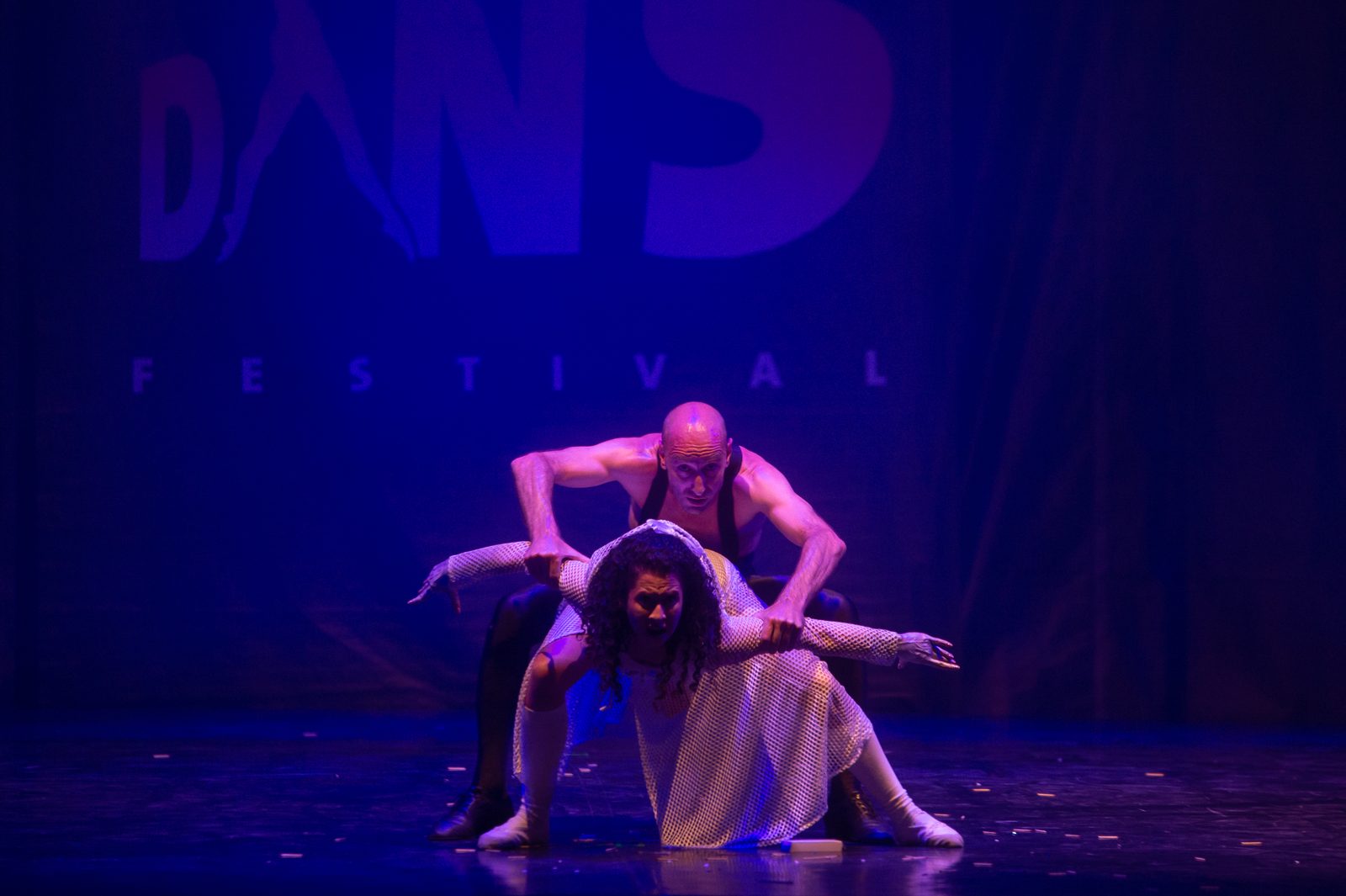
Direction & choreography: Hugo Wolff · Genre: Theatre-dance · Year: 2017
The show presents the story of a man who is ageing physically but is strong psychologically, and from this stems his power to manipulate the world, especially women. His supreme pleasure is to “collect” women of different races, shapes, ages, types and personalities, whom he uses in his Machiavellian way. At some point he drives them to suicide or even kills them, to diversify his pleasures. He reaches the heights of human perversity, in defiance of the dogmas imposed by society.
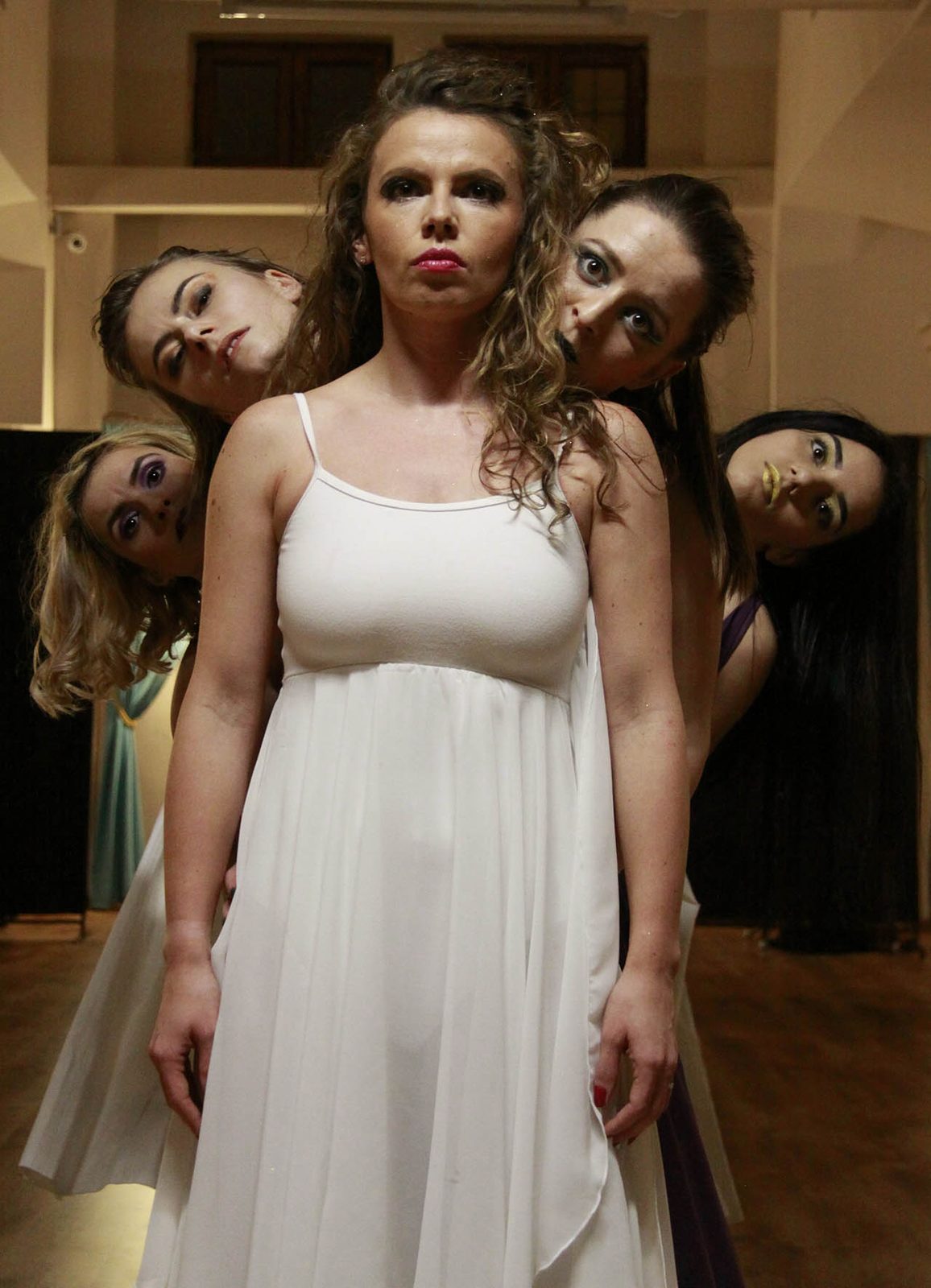
Except that, at some point, he meets a person who confounds him. She withstands every challenge because she has built several personalities, which she can abandon or return to whenever she wishes. She can also change them instinctively when he attacks her. Trying to control her, he falls into his own trap, becoming dependent on her love.
He himself ends up ready to give up everything, including his life, to be noticed and loved by her. He becomes manic in his obsession to make himself whole. After a perfect spiritual and physical relationship, which leads to ancestral discoveries bordering on the fantastic, an utterly trivial incident makes her realise his true intentions, and when she realises that she cannot bring him back to reality, she decides that he must die, not her. How will all this happen?
Producer: Student Culture House of Sibiu, Microbis Theatre-Dance Company.
Diana-Elena Cătănescu, Alina-Ioana Găvozdea, Eleni-Alexandra Popa, Ingrid-Cristine Metz, Diana Duțu, Sabrina-Elena Bărbulescu, Florian Oros, Bogdan Halmaghi



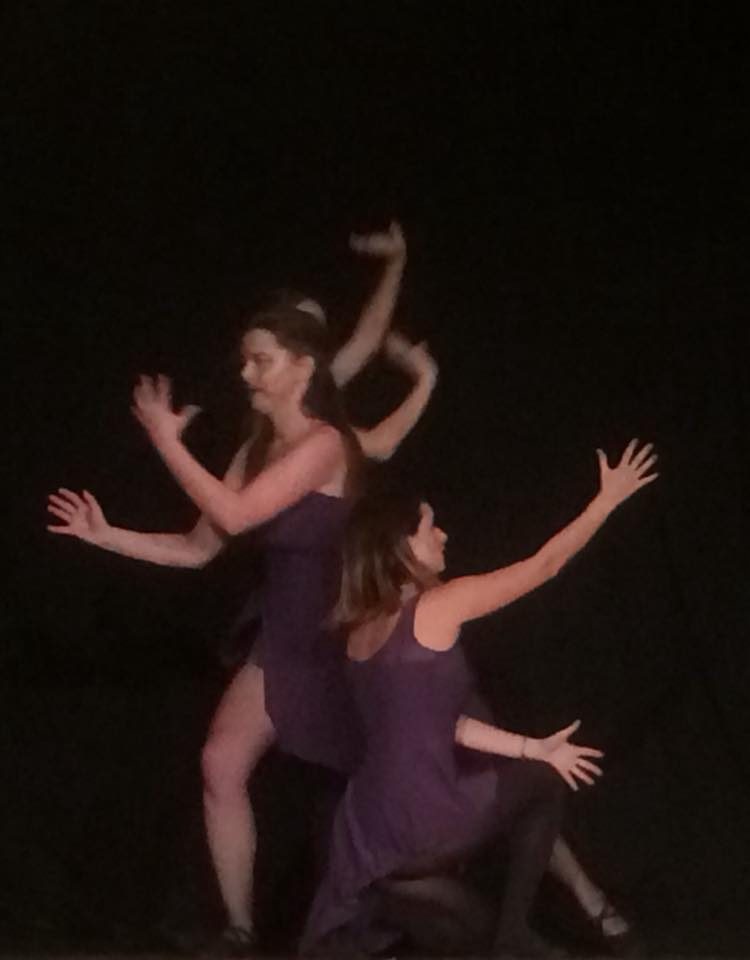

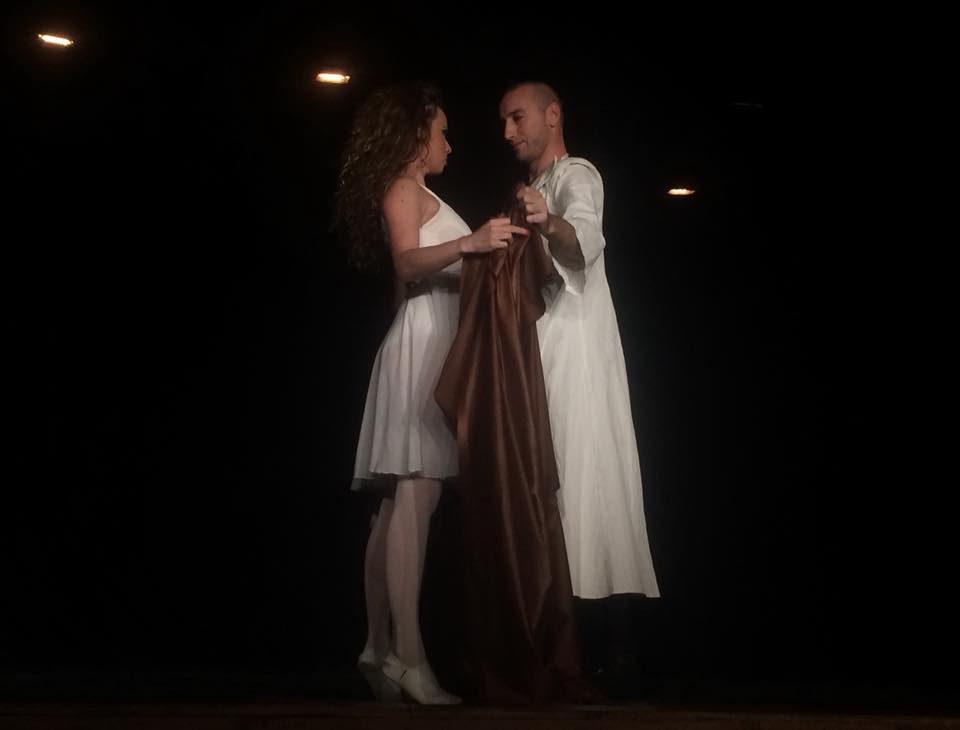


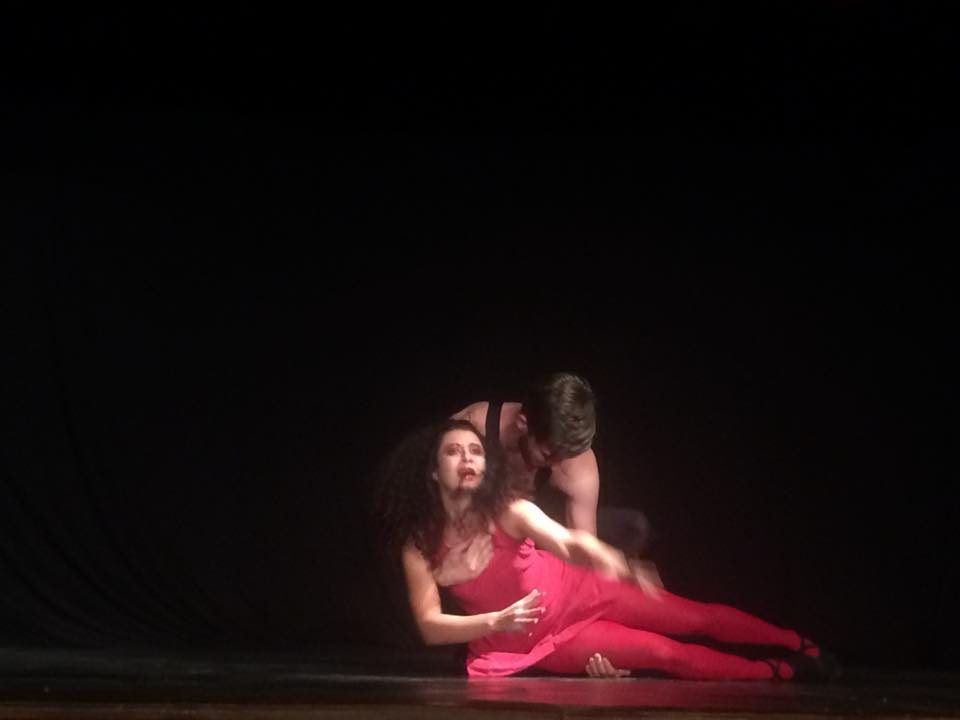


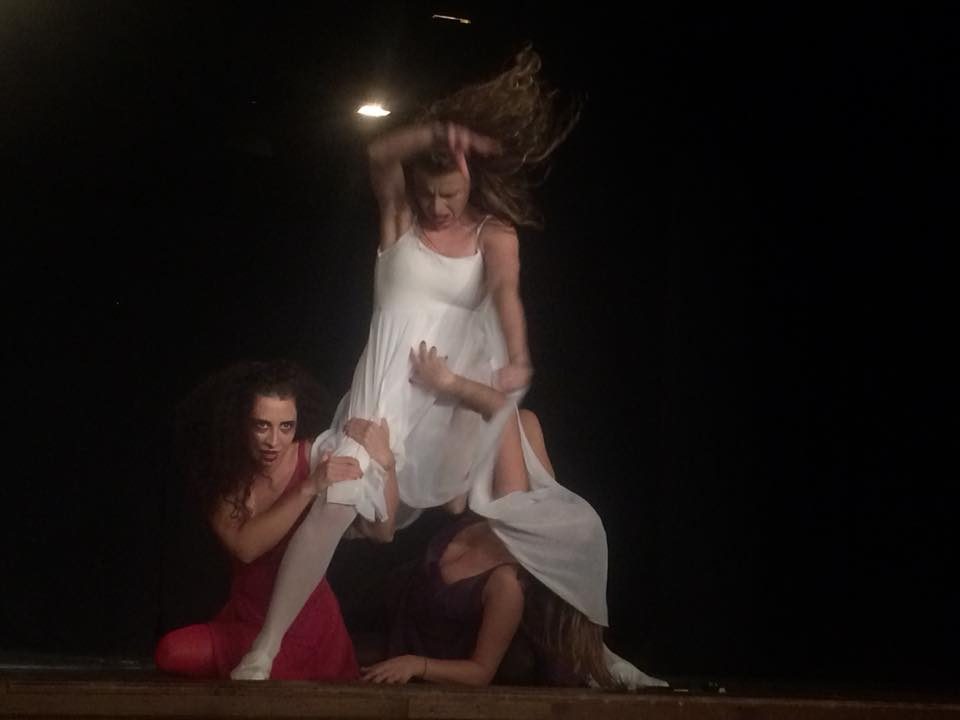
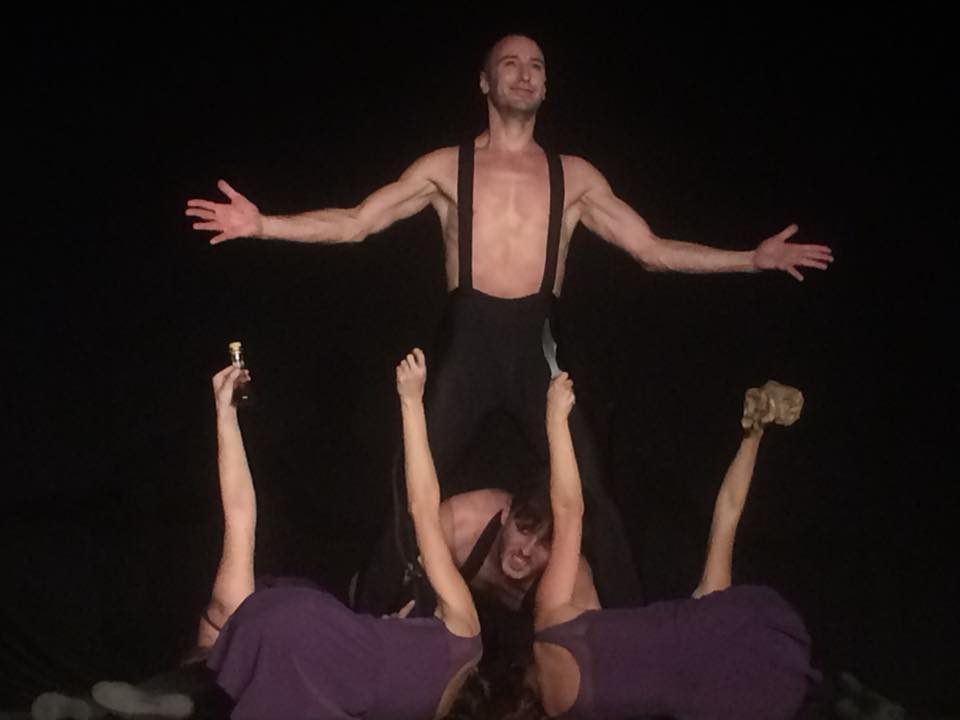
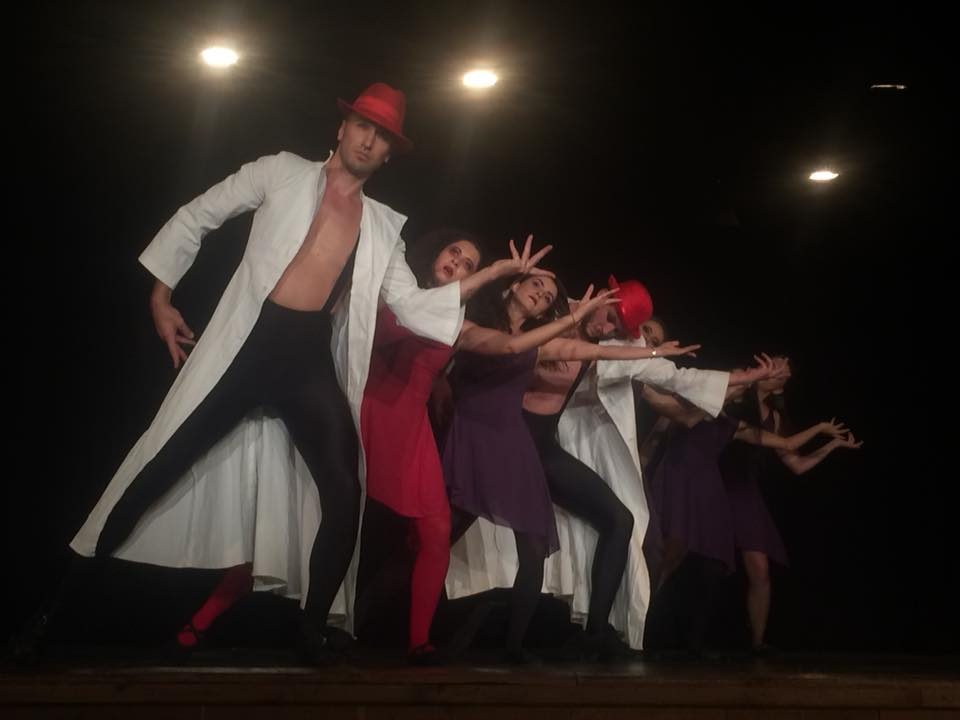

Theatre-dance
Direction & choreography: Hugo Wolff · Genre: Theatre-dance · Year: 2016
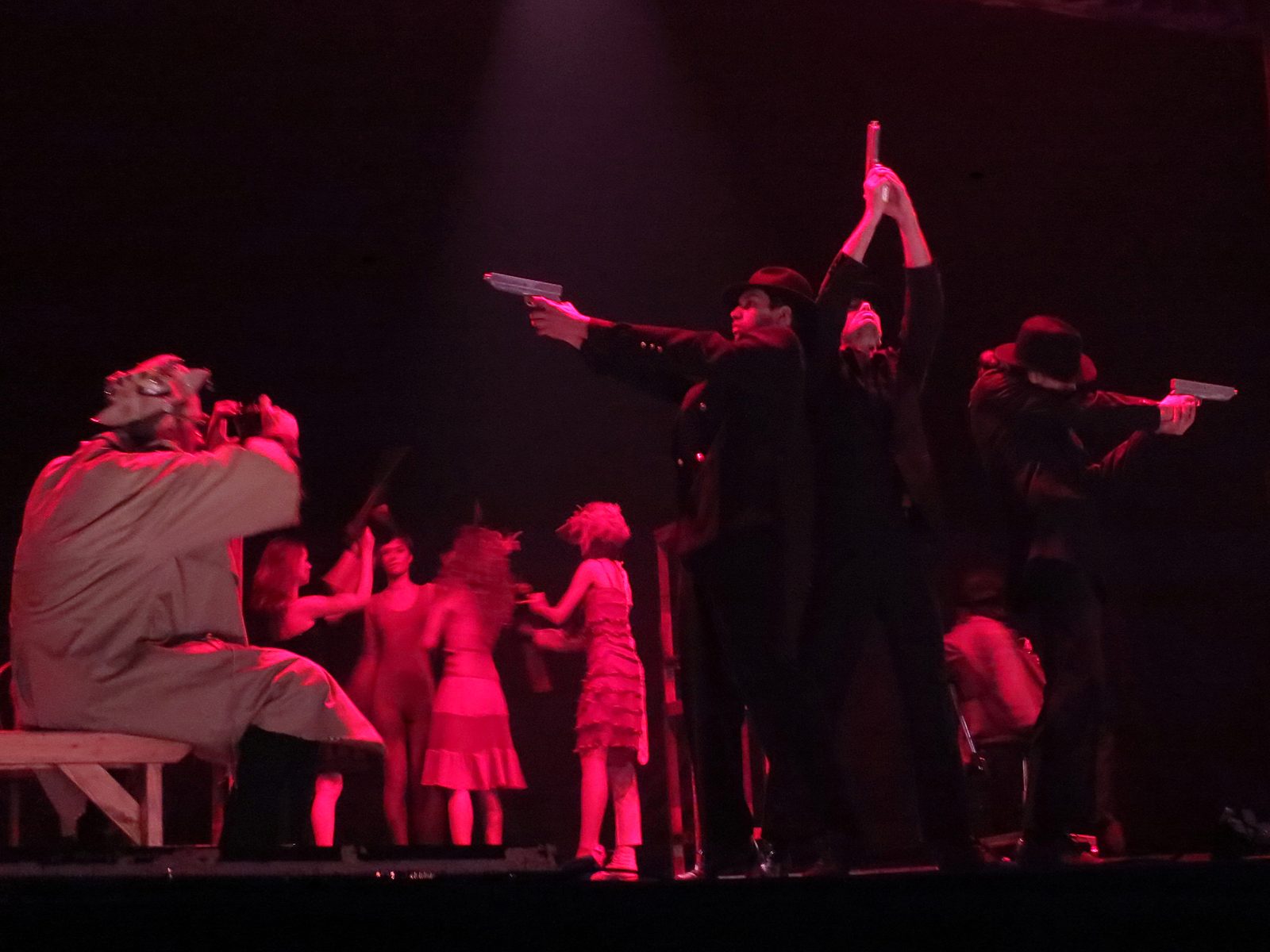
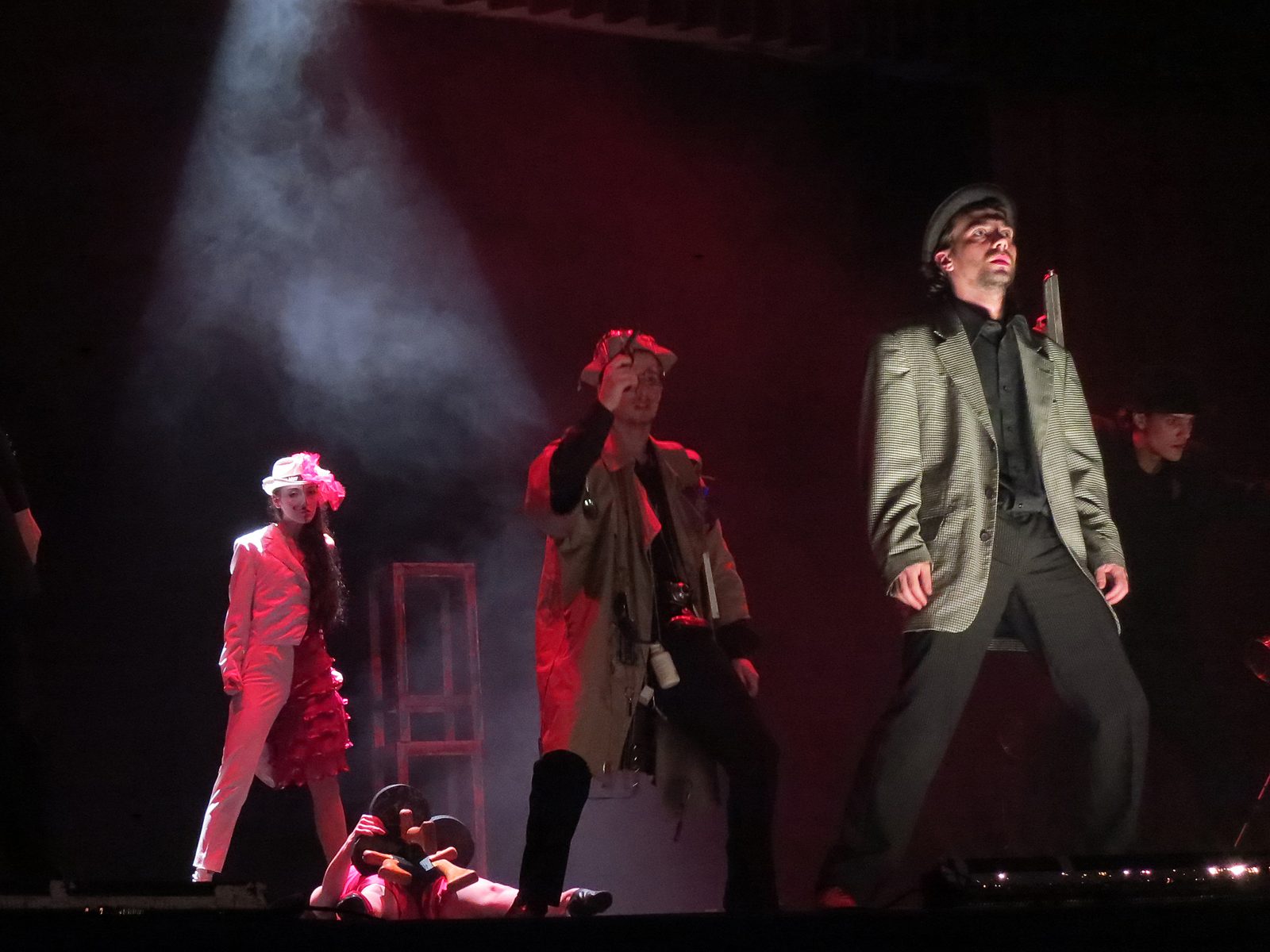
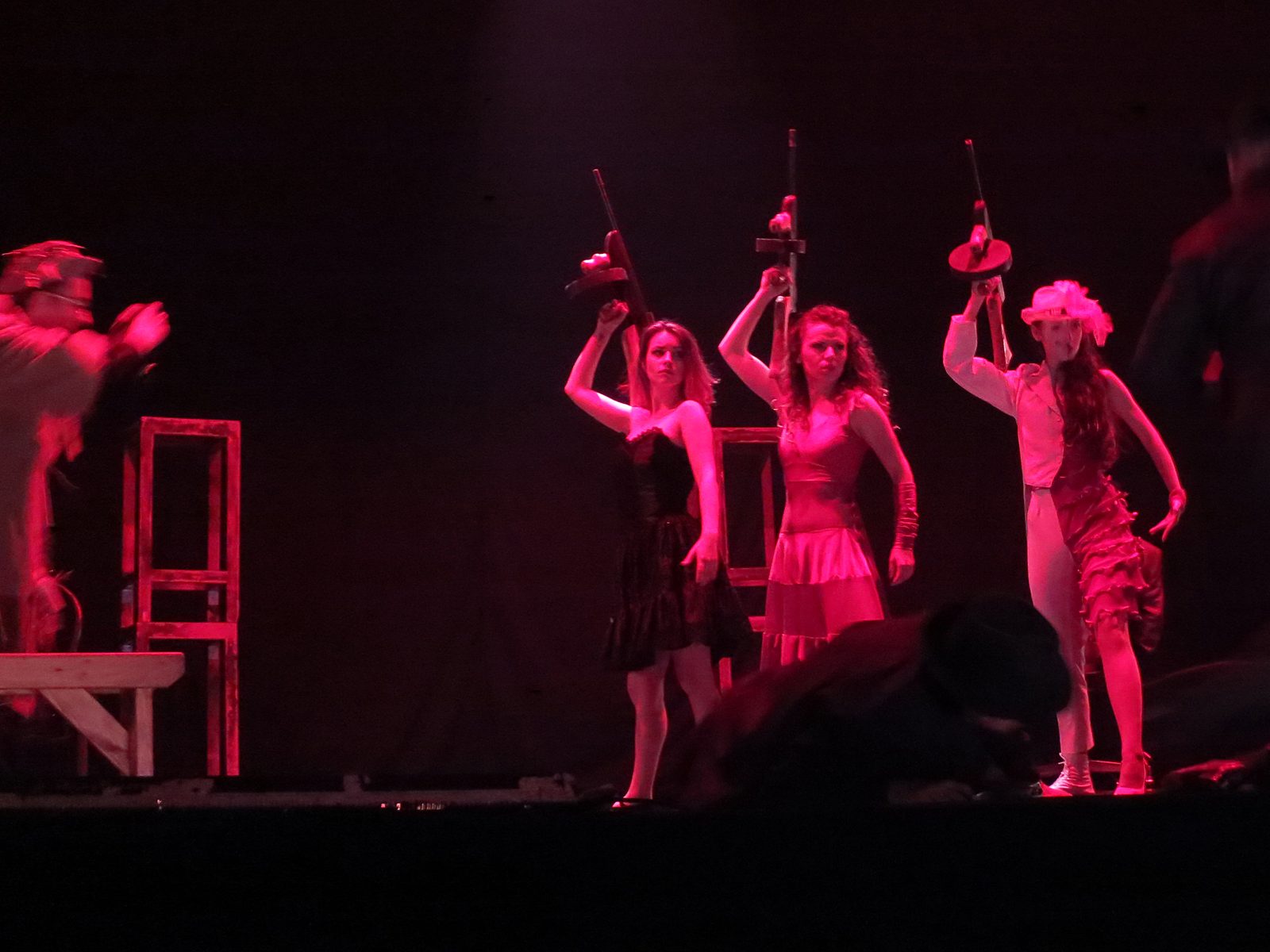
The story of the couple Bonnie and Clyde, built in dance steps, displays the system of relationships of the ’30s, the era of public enemies, with the misdeeds of outlaws who made history. Love and robberies, a fascinating, moving story that has captivated the whole world.
“Bonnie și Clyde” is a show built around love, a youthful, passionate love, full of adventure and eroticism. Choreographer Hugo Wolff succeeds in bringing out a violent, at times degrading universe, which nevertheless bursts into a special tenderness, the sensitive image of the deep substratum born out of the pain of childhood traumas.
The story, the choreographic discourse, the props and the staging vehemently reject the idea of immaculate white and absolute black, convincing the audience that innocence is not what it seems: it can be lost in a moment of terrible pain and regained, also in a moment, with the help of the supreme feeling: Love.
Producer: Student Culture House of Sibiu.
Alina-Ioana Găvozdea, Diana-Elena Cătănescu, Paula Trifu, Katea Cuzmici, Florian Oros, Alexandru Seceleanu, Michael Paicu, Ionuț Turcu, Iulian Fleacă

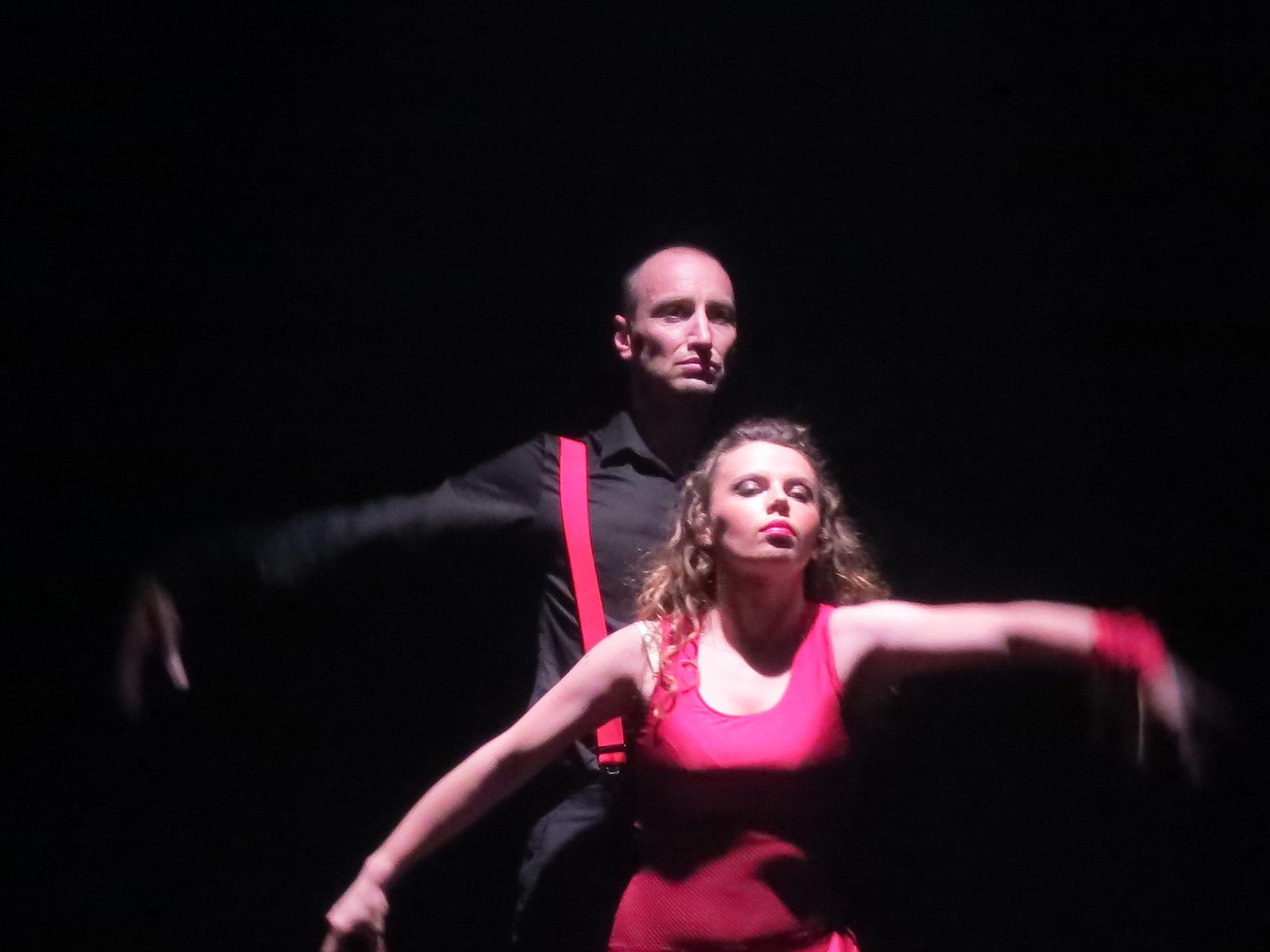
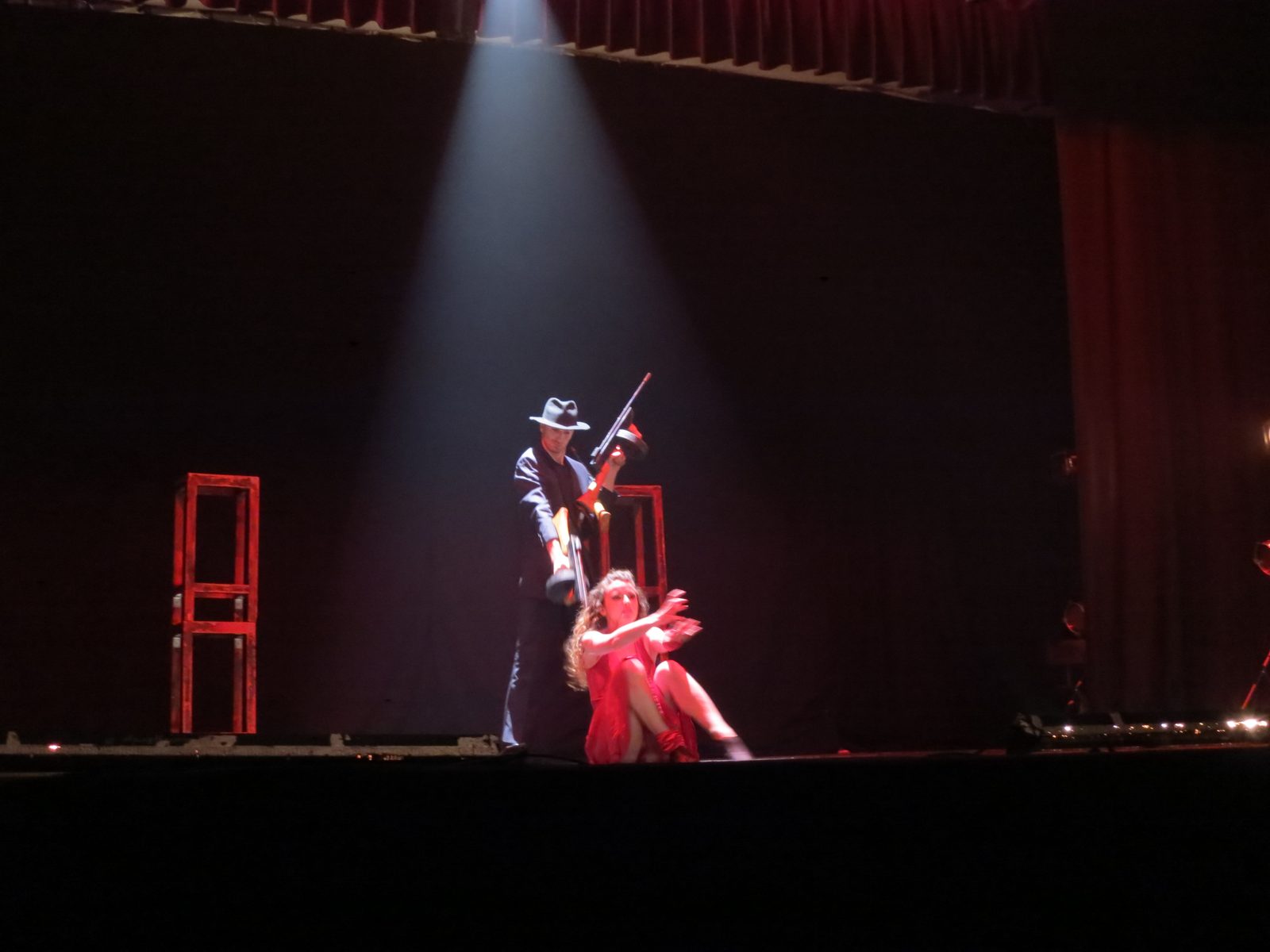






Theatre-dance
“Do not forget!”
Direction & choreography: Hugo Wolff · Set design: Mc Ranin · Year: 2014
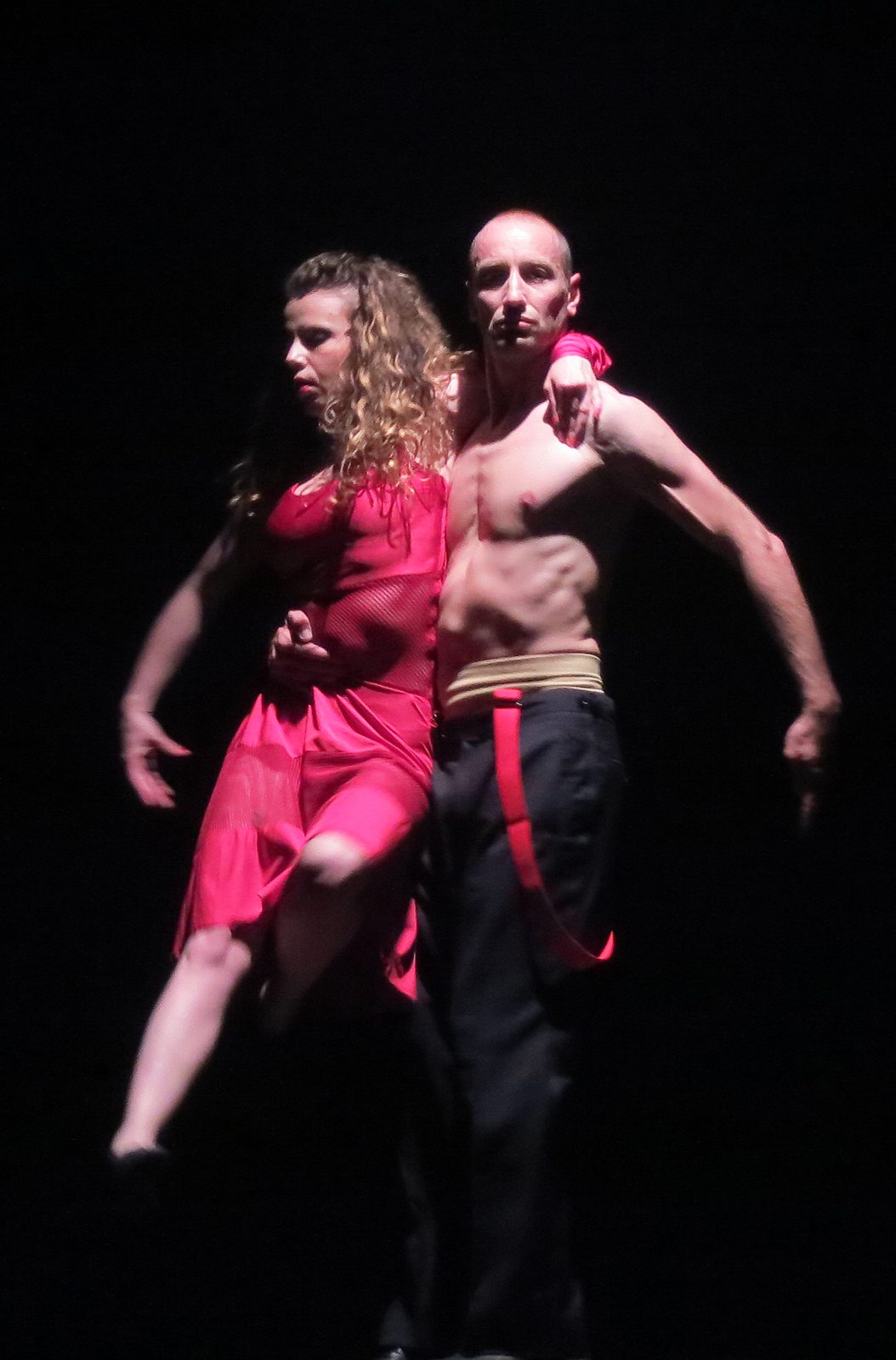
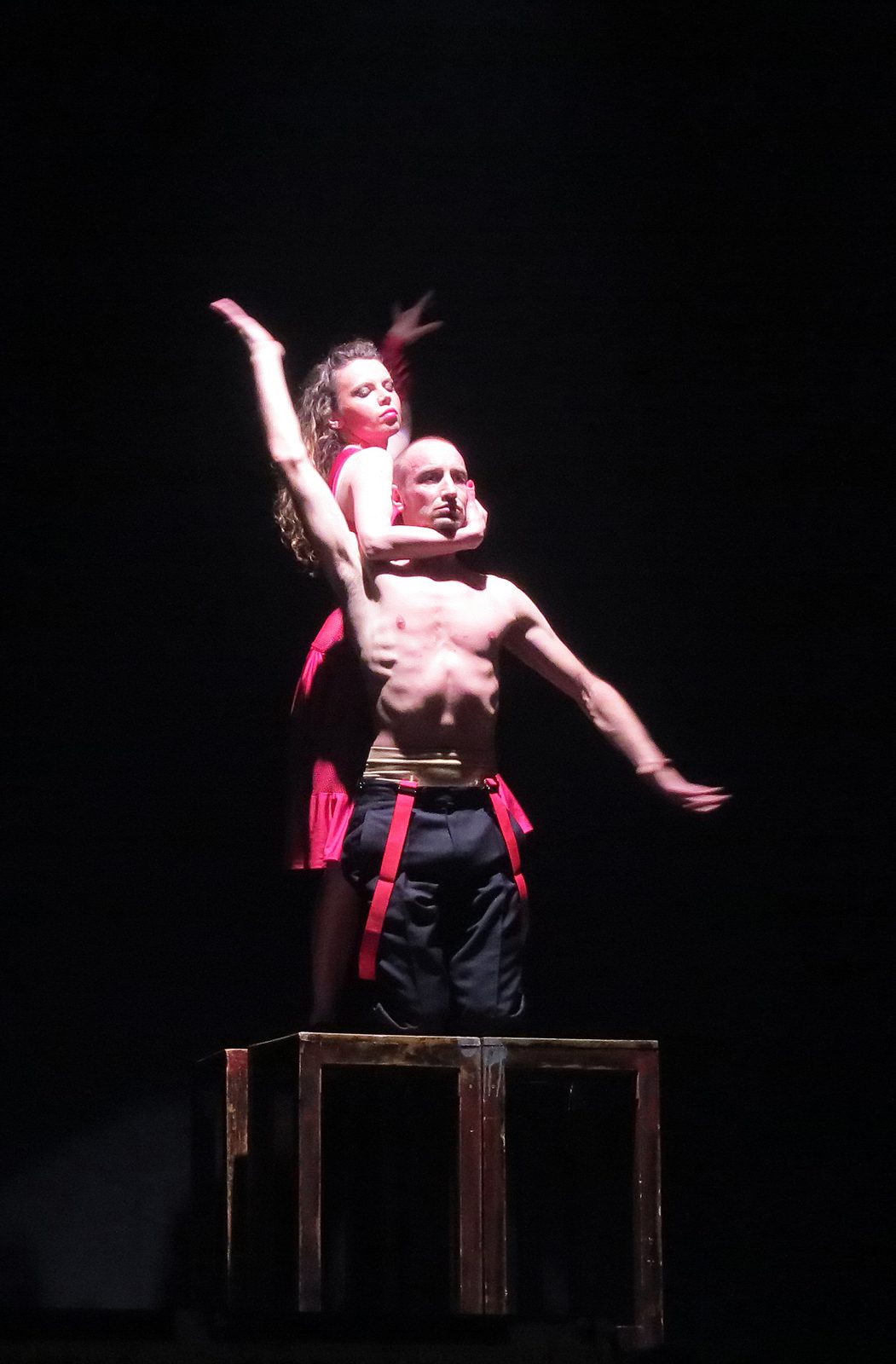
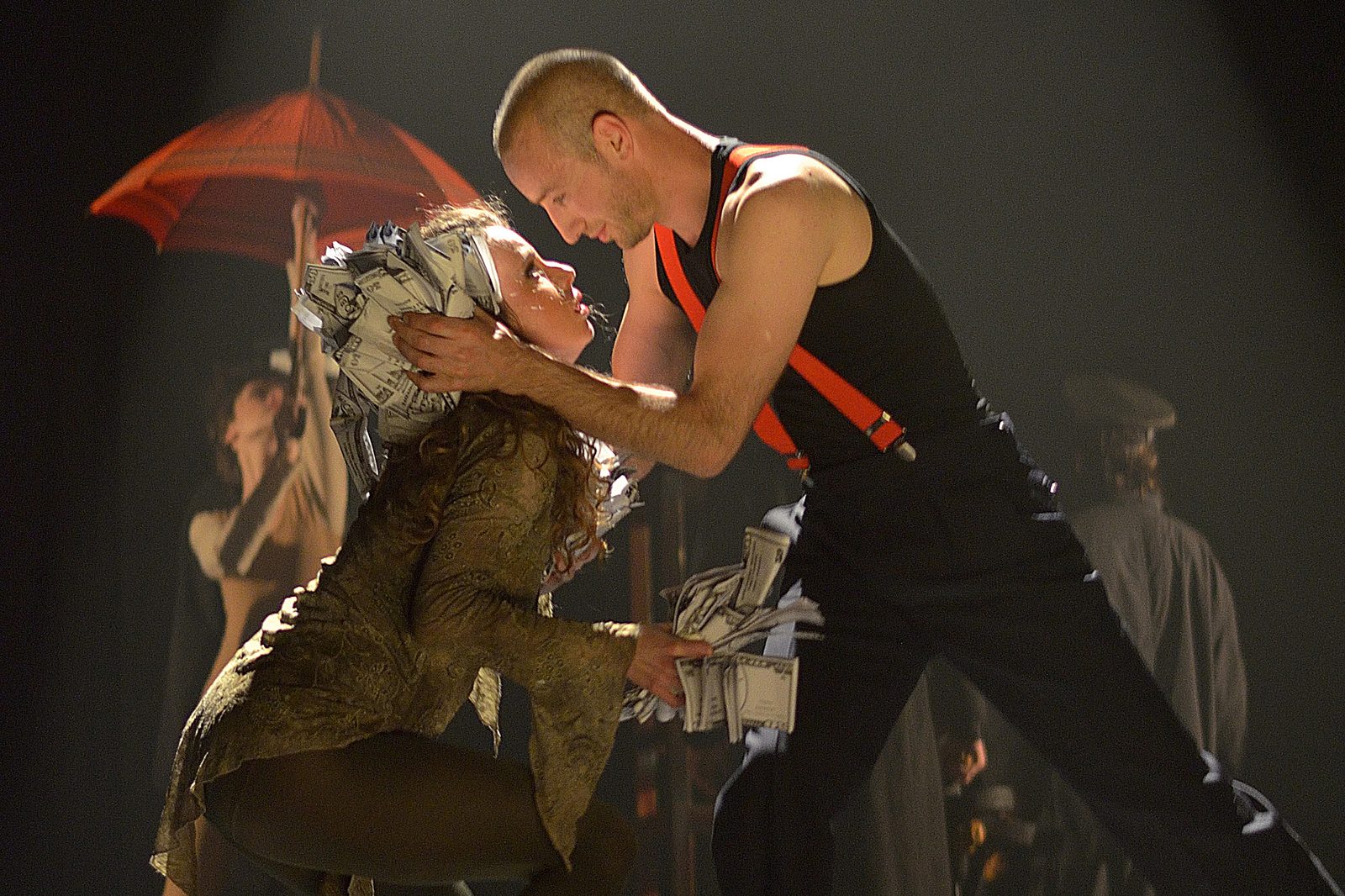
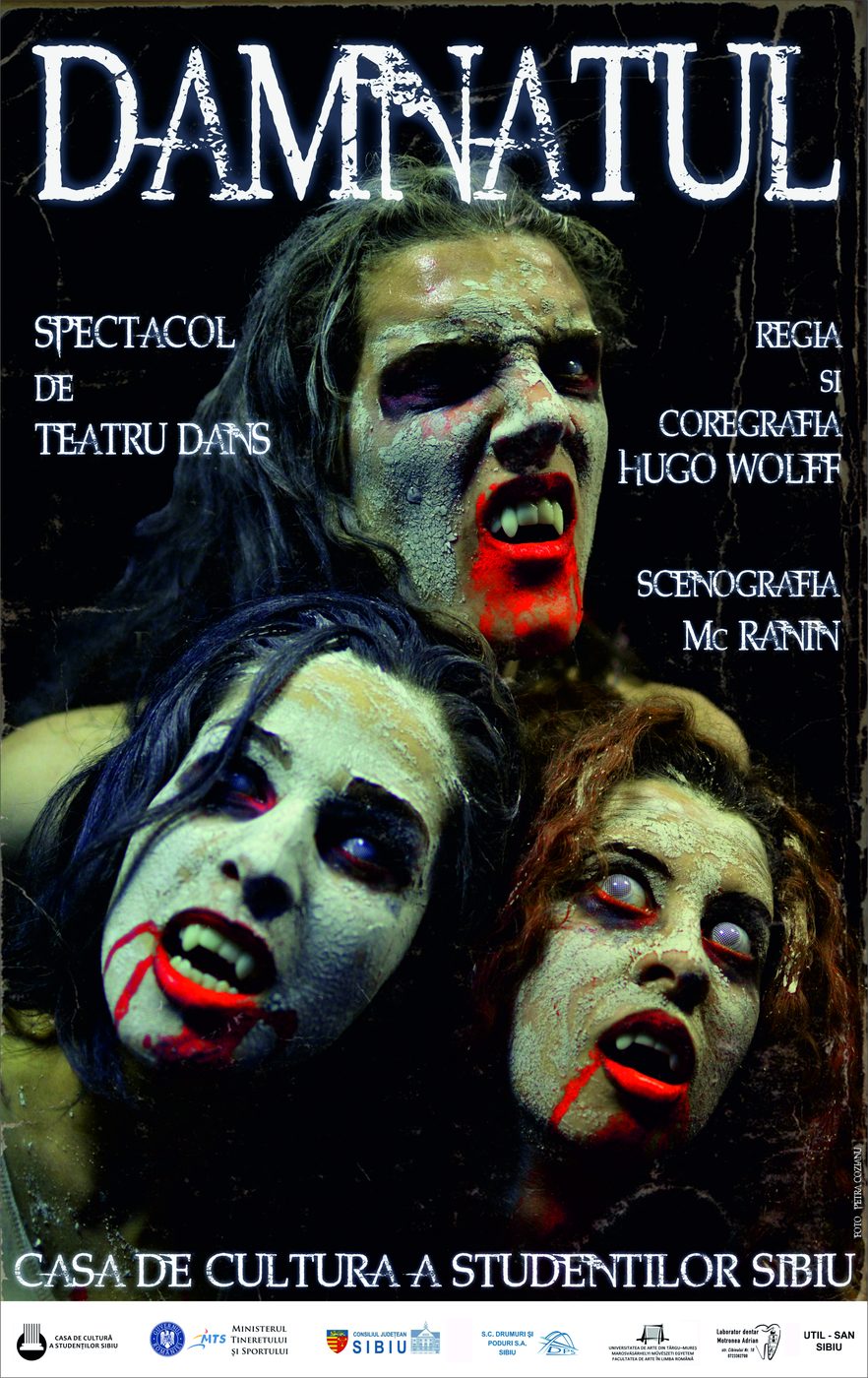
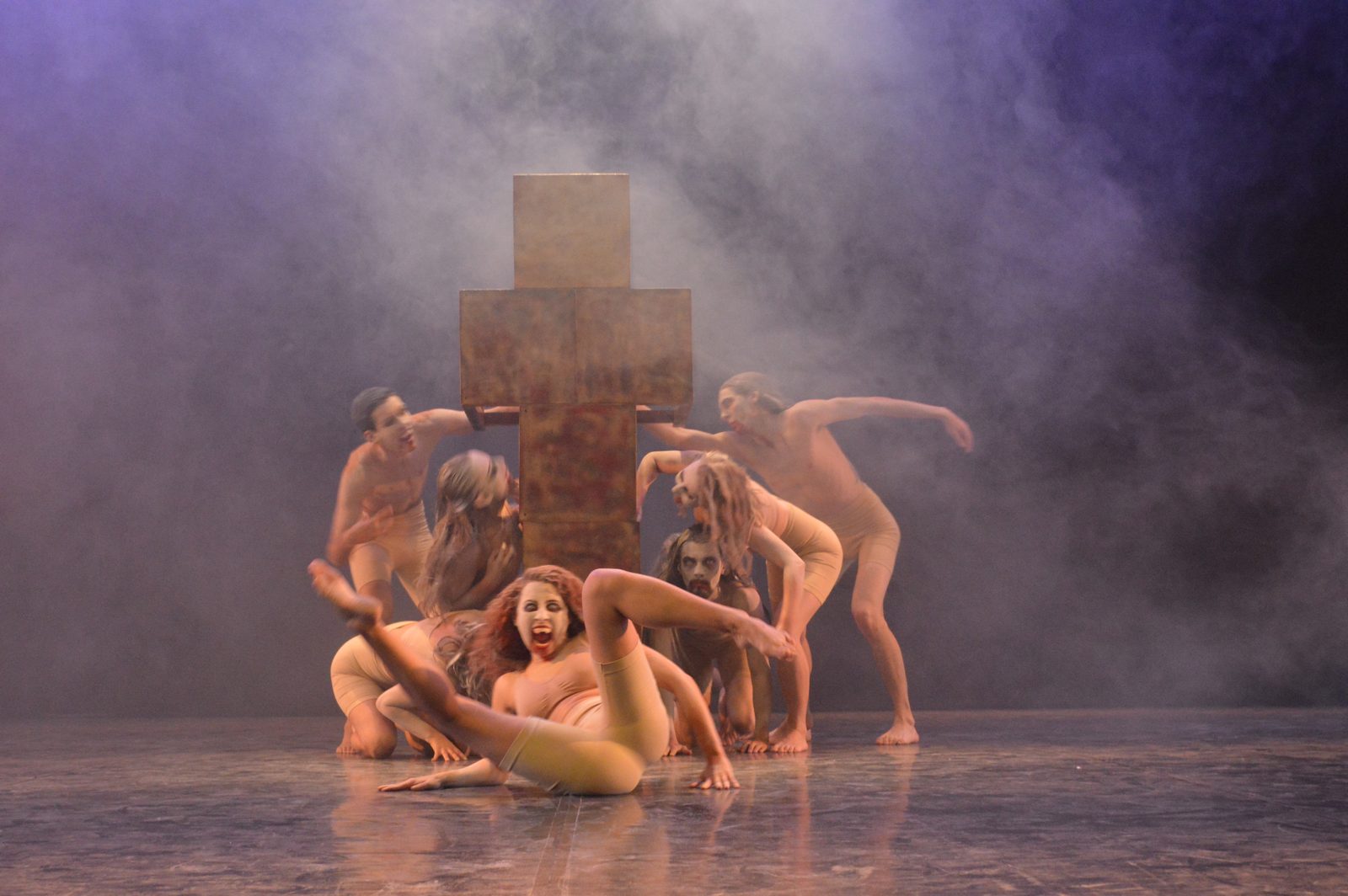
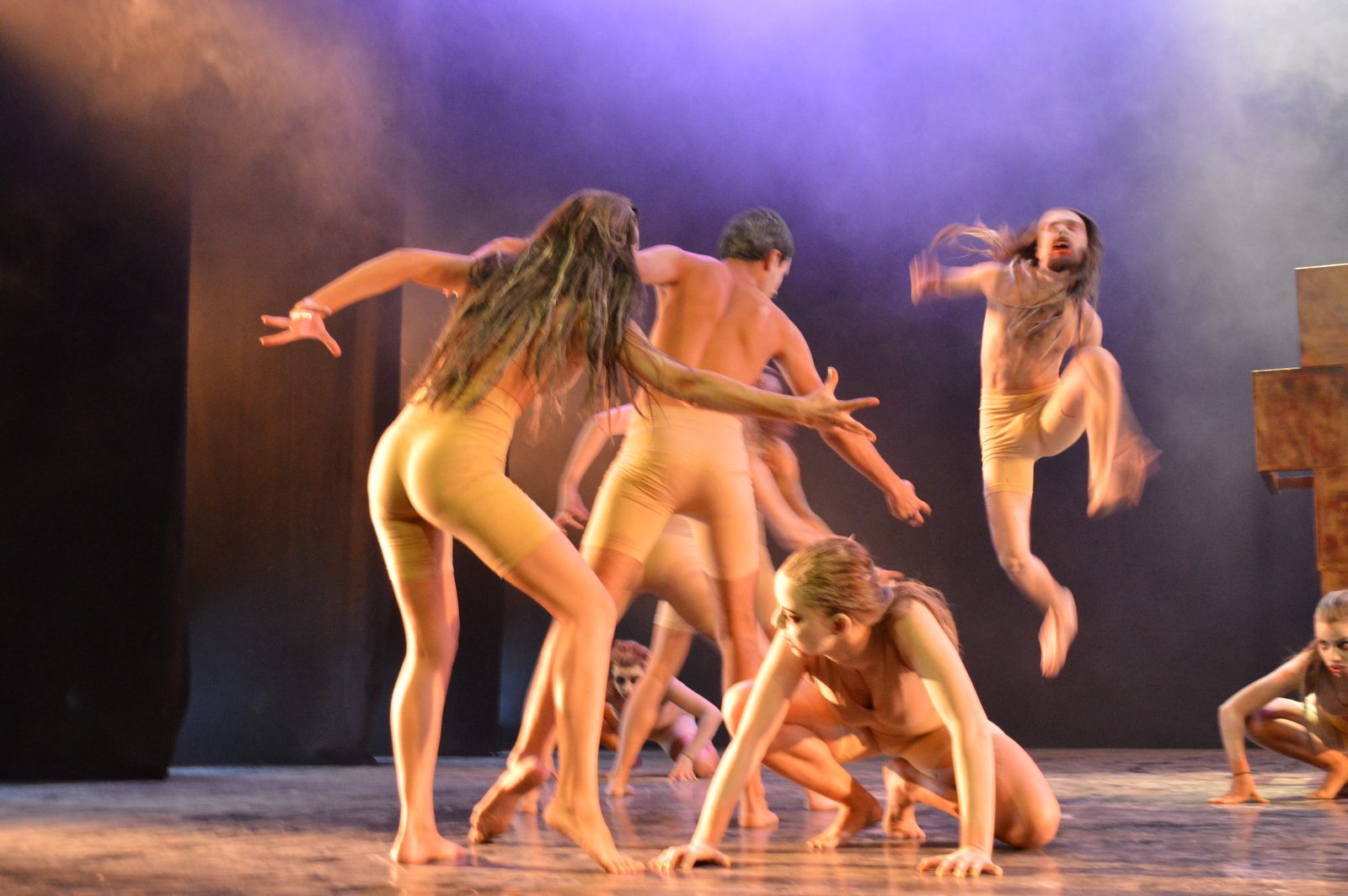
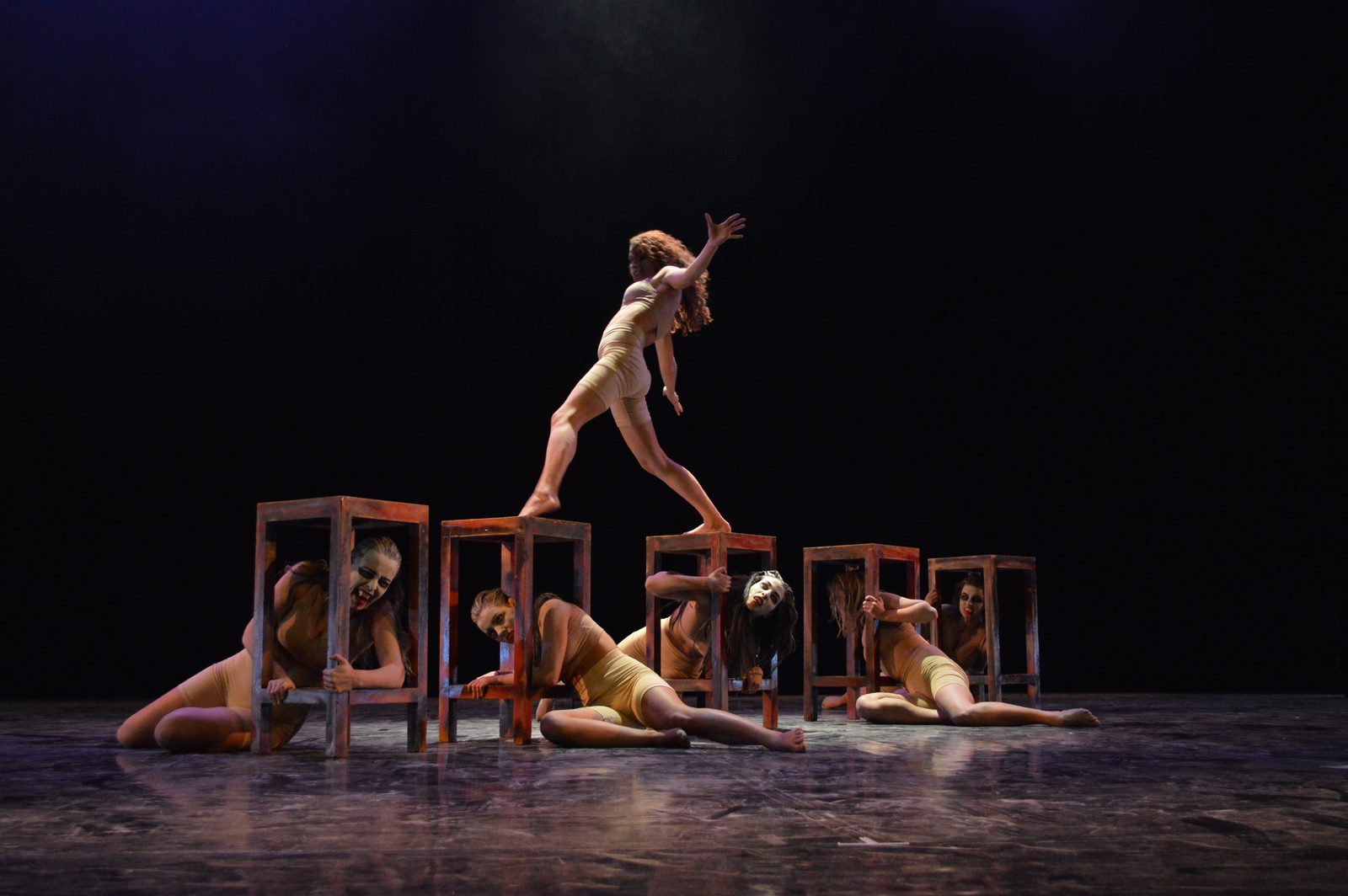
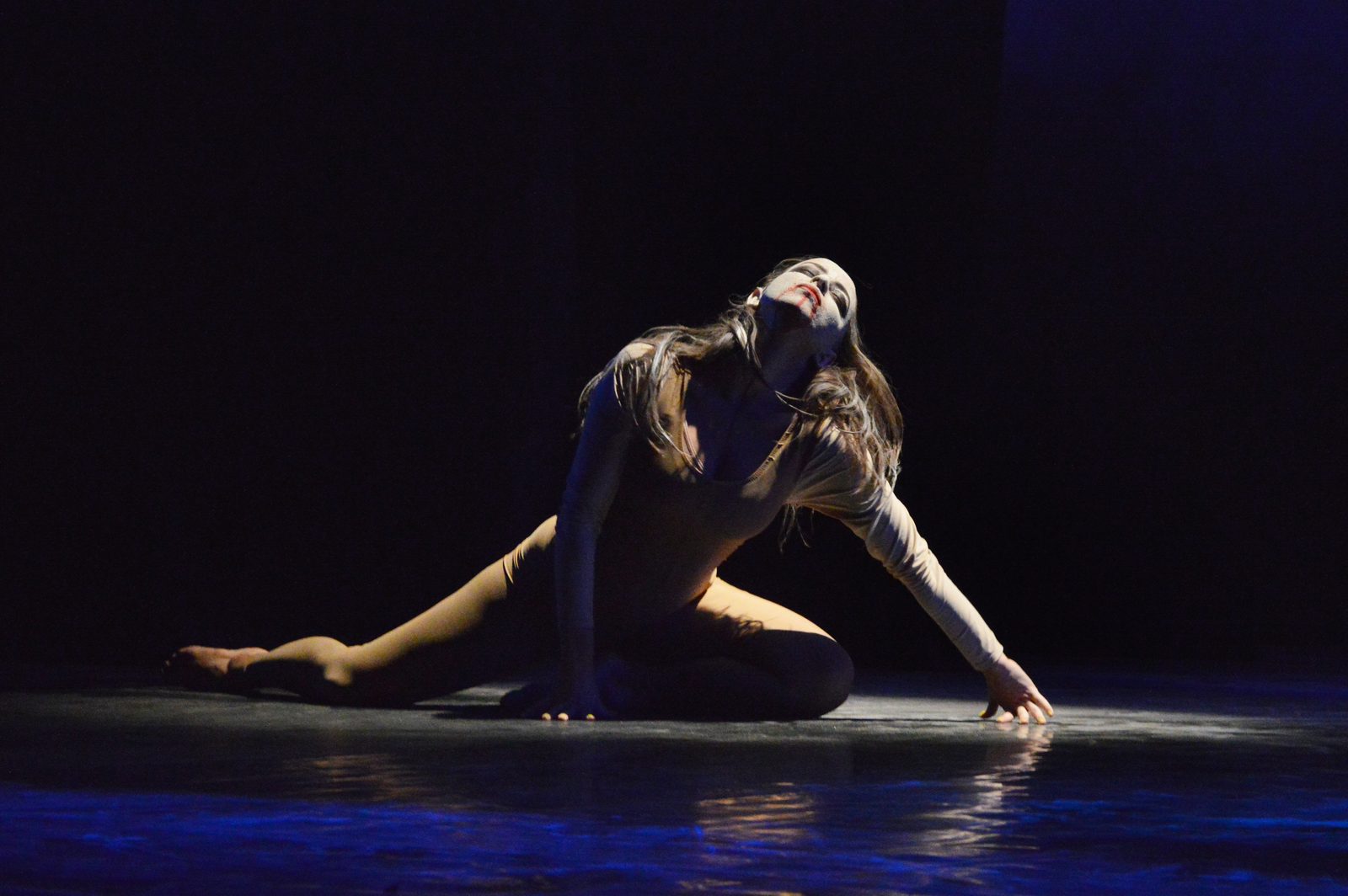
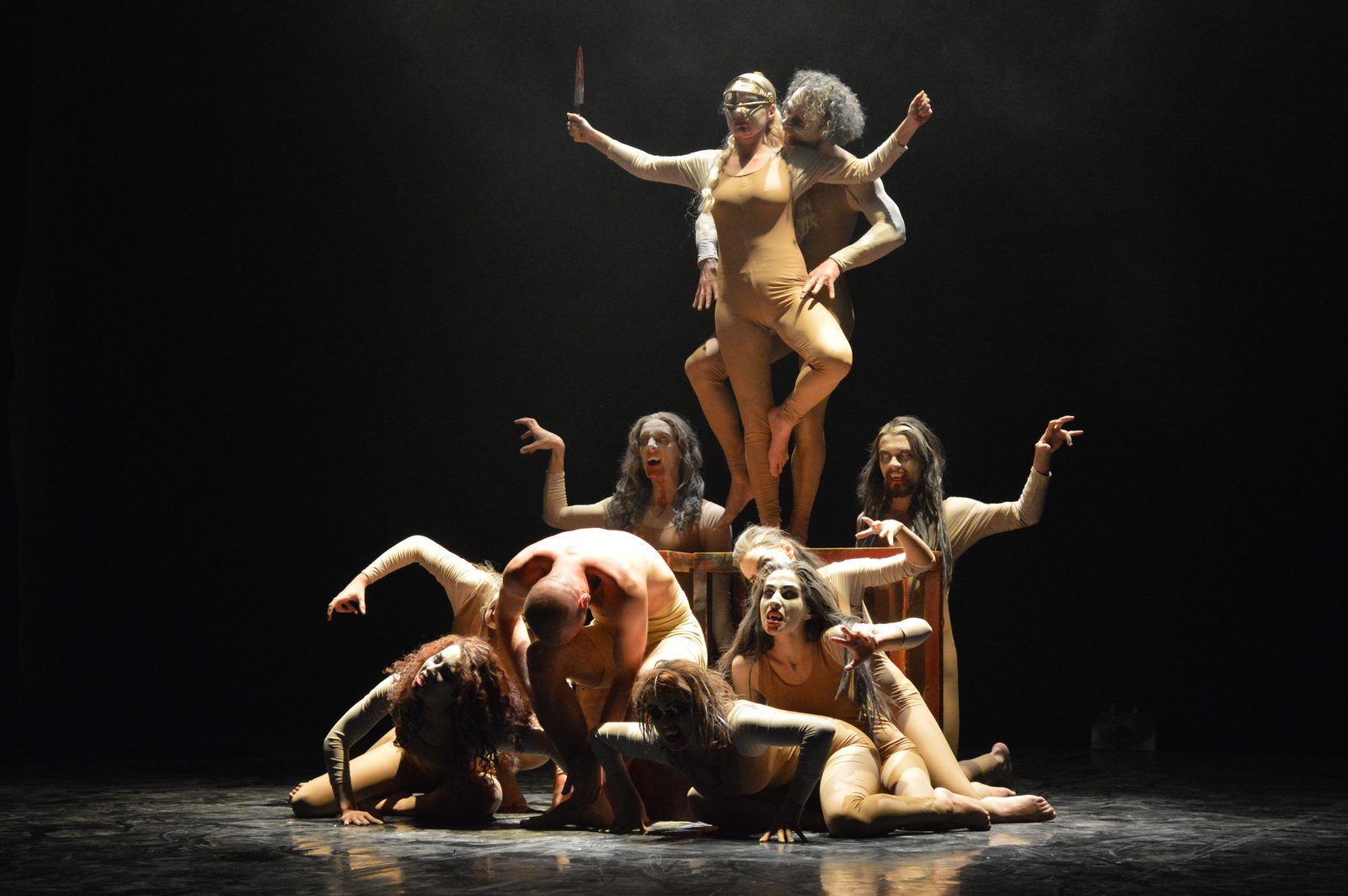
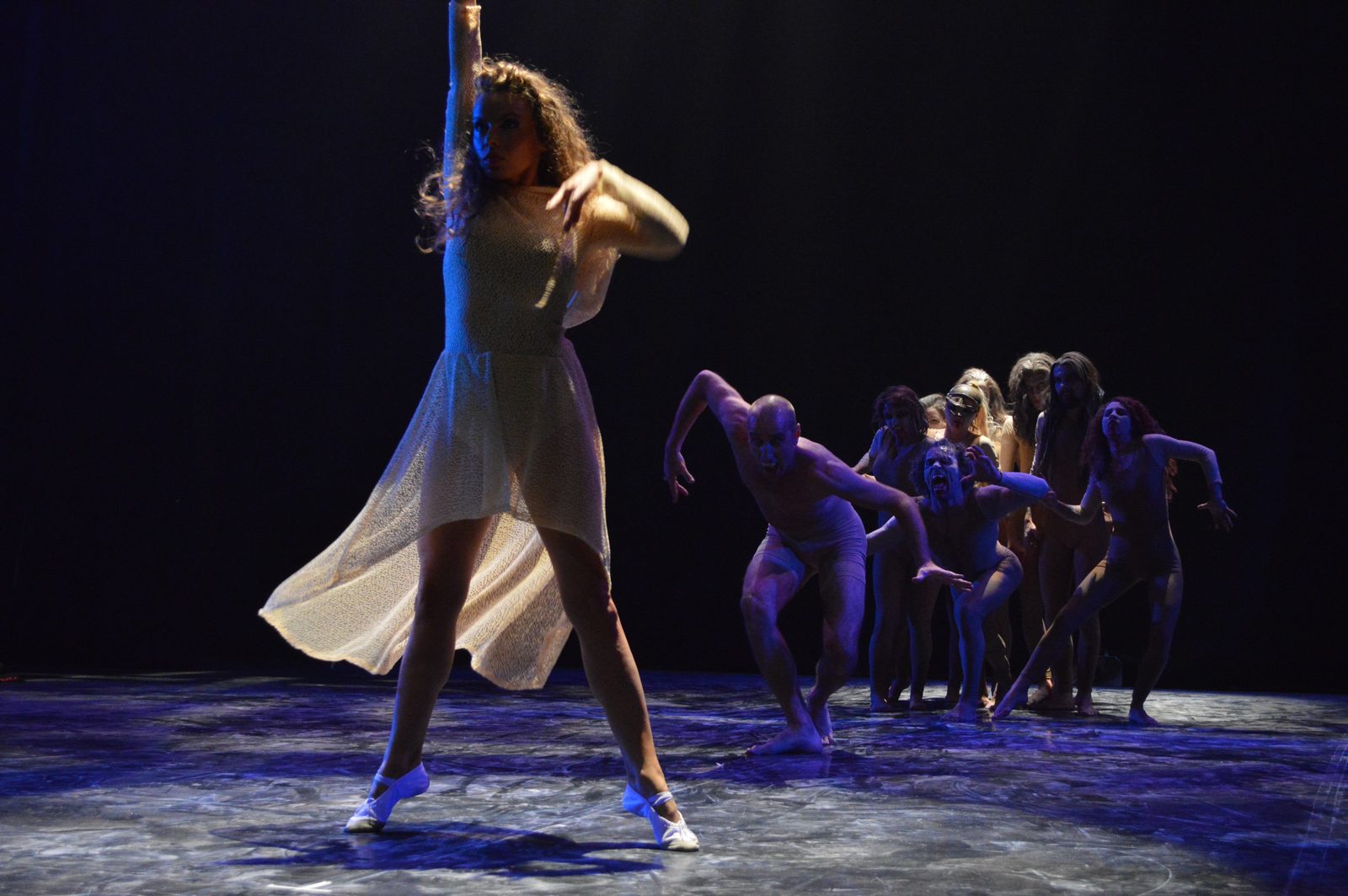
Damnatul, the new show of the Microbis dance company, directed and choreographed by Hugo Wolff, presents humanity in its complexity, the being that oscillates between contradictory states: happiness, fulfilment and love, pain, despair and resignation.
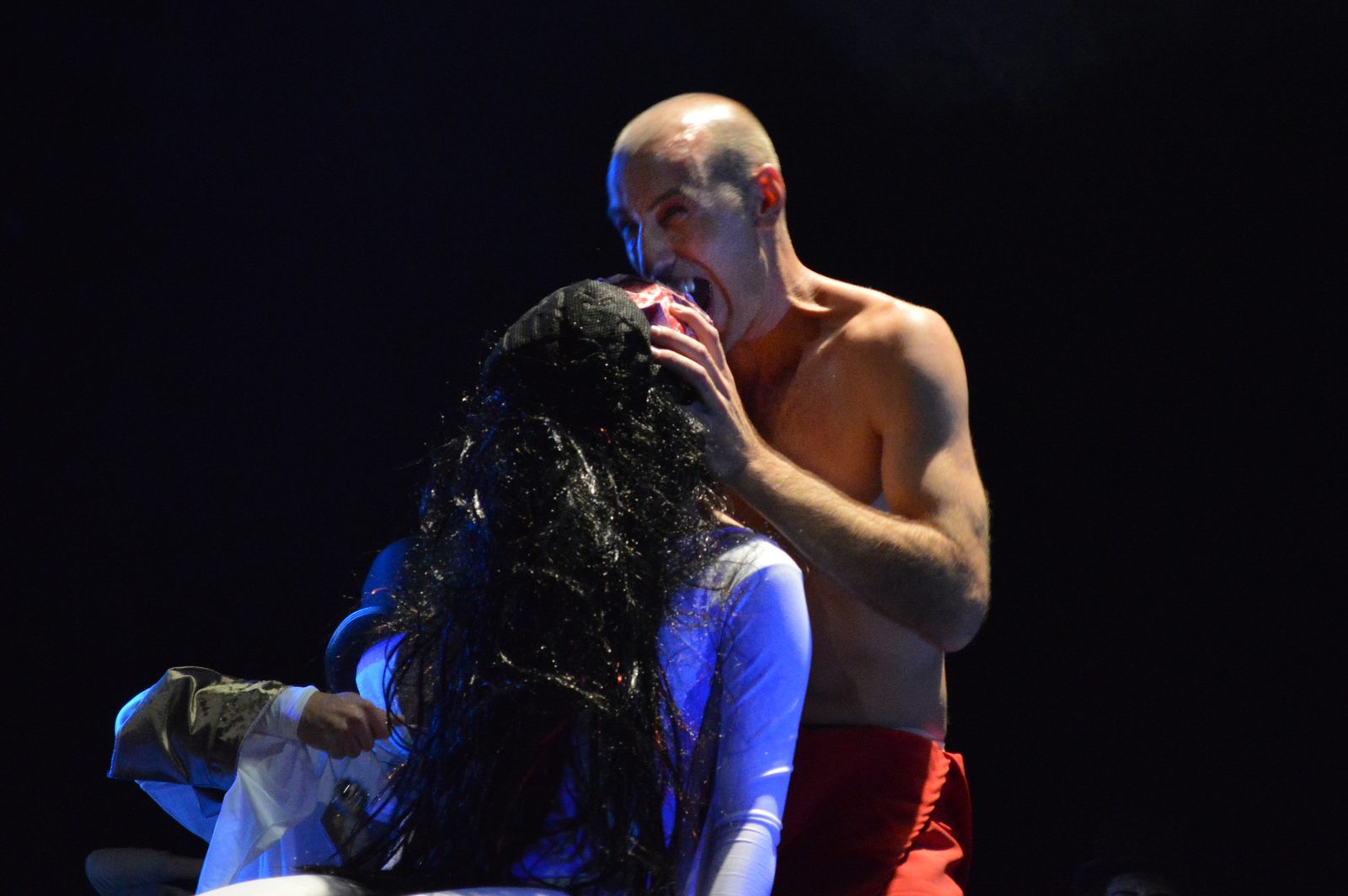
Two worlds are outlined in the show: the eternal world of the vampires and the limited world of the earthlings. The story unfolds in several sequences, supported by musical fragments specific to each moment depicted. At first, the vampires, creatures thousands of years old, seek out earthlings in order to turn them into vampires. Then the ritual of transforming an earthling is shown. The process is rendered through slow movements, the pain being expressed through facial expression.
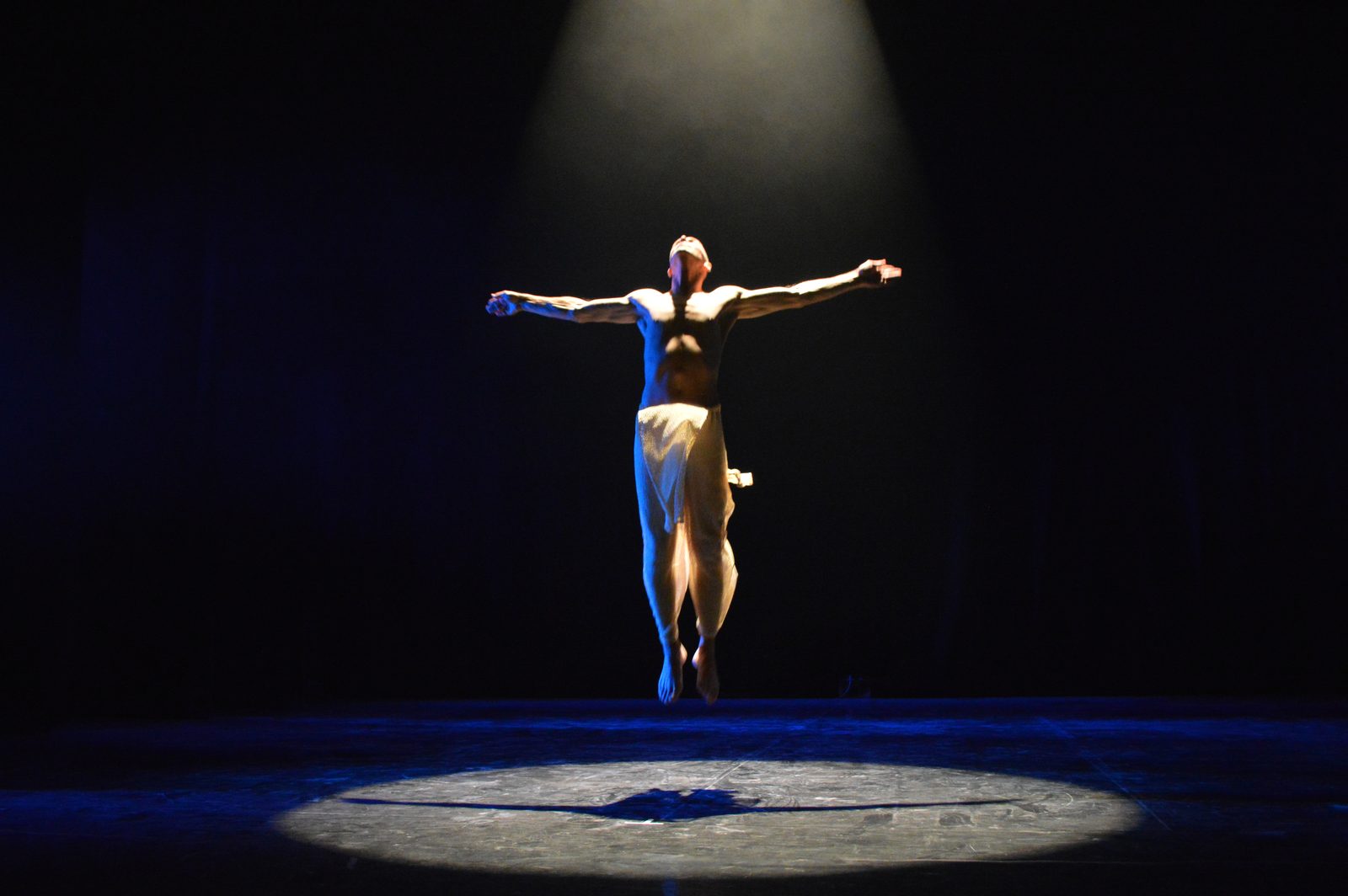
The dance of two earthlings, another sequence, is passionate, full of sensuality, and sketches the love that envelops them. The vampires’ intervention, however, is fatal for the lovers: the man is caught and turned into a vampire. The ritual on the cross is symbolic and leads towards “prehistoric times”, suggesting resurrection. The man becomes eternal, but he is punished: he can have love only as long as the woman lives. He finds his beloved again in another historical moment and in another guise, but he lacks the strength needed to carry her into eternity.
Damnatul thus portrays suffering, man’s punishment of remaining alone, isolated, thirsting to find his ideal. On the other hand, the theatre-dance performance highlights the idea that love has no limits: the feeling can be felt between vampires, between earthlings, or between vampires and earthlings. In the end we ask ourselves: to live forever, but to know true happiness only for a short time, or to be mortal and to know the happiness offered by the ideal partner for the rest of your life?
Producer: Student Culture House of Sibiu.
Raluca Adam, Claudiu Alexandru, Sabrina-Elena Bărbulescu, Diana-Elena Cătănescu, Diana Duțu, Alina-Ioana Găvozdea, Florian Oros, Ingrid-Cristine Metz, Bogdan-Constantin Miron, Eleni-Alexandra Popa, Daniel Seceleanu, Ioana Stoica, Michael Paicu, Doina Sula



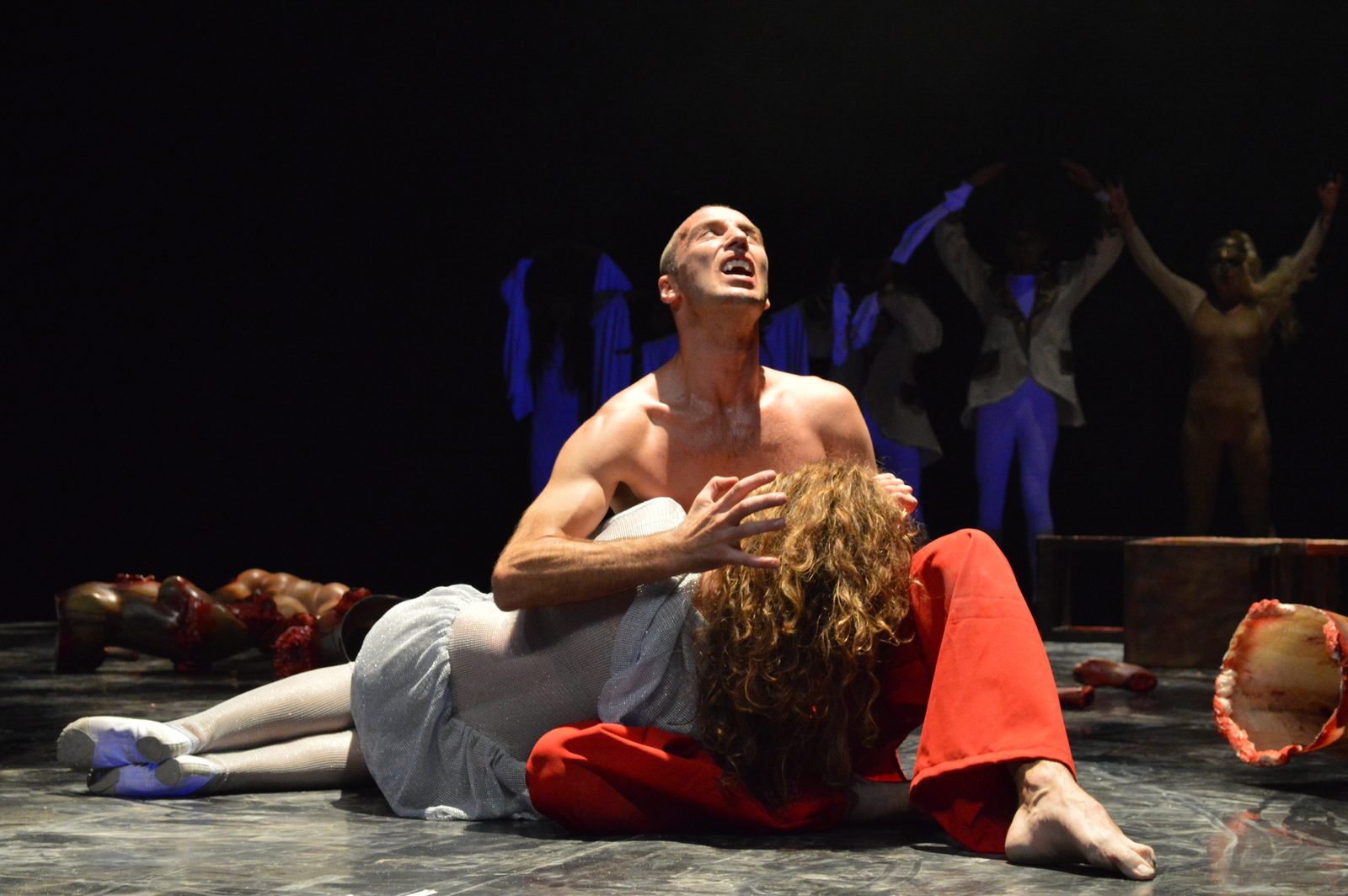

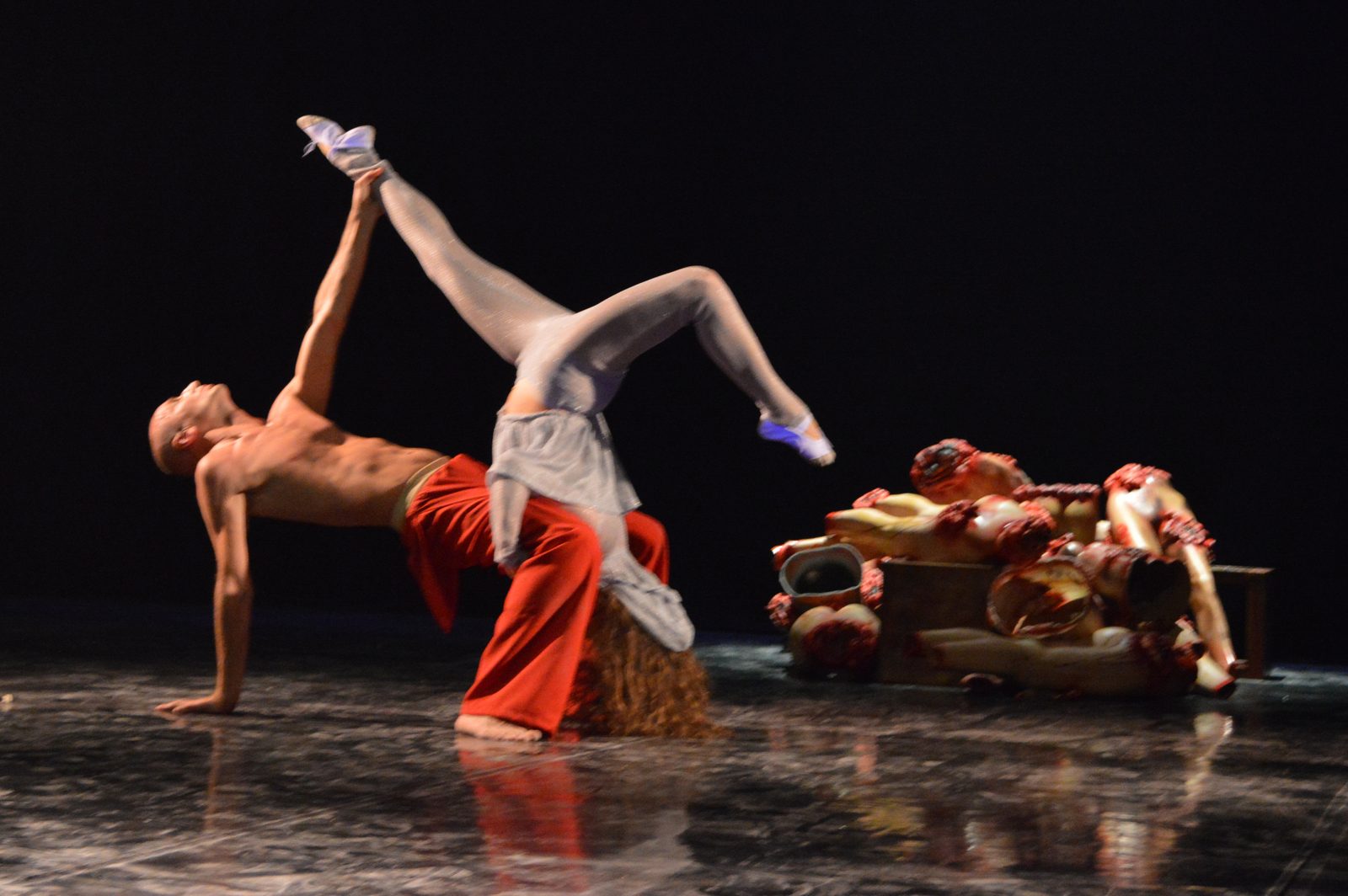


Theatre-dance
A show by: Hugo Wolff · Text: Ecaterina Oproiu · Performance: 20 September 2013, Sala Albastră
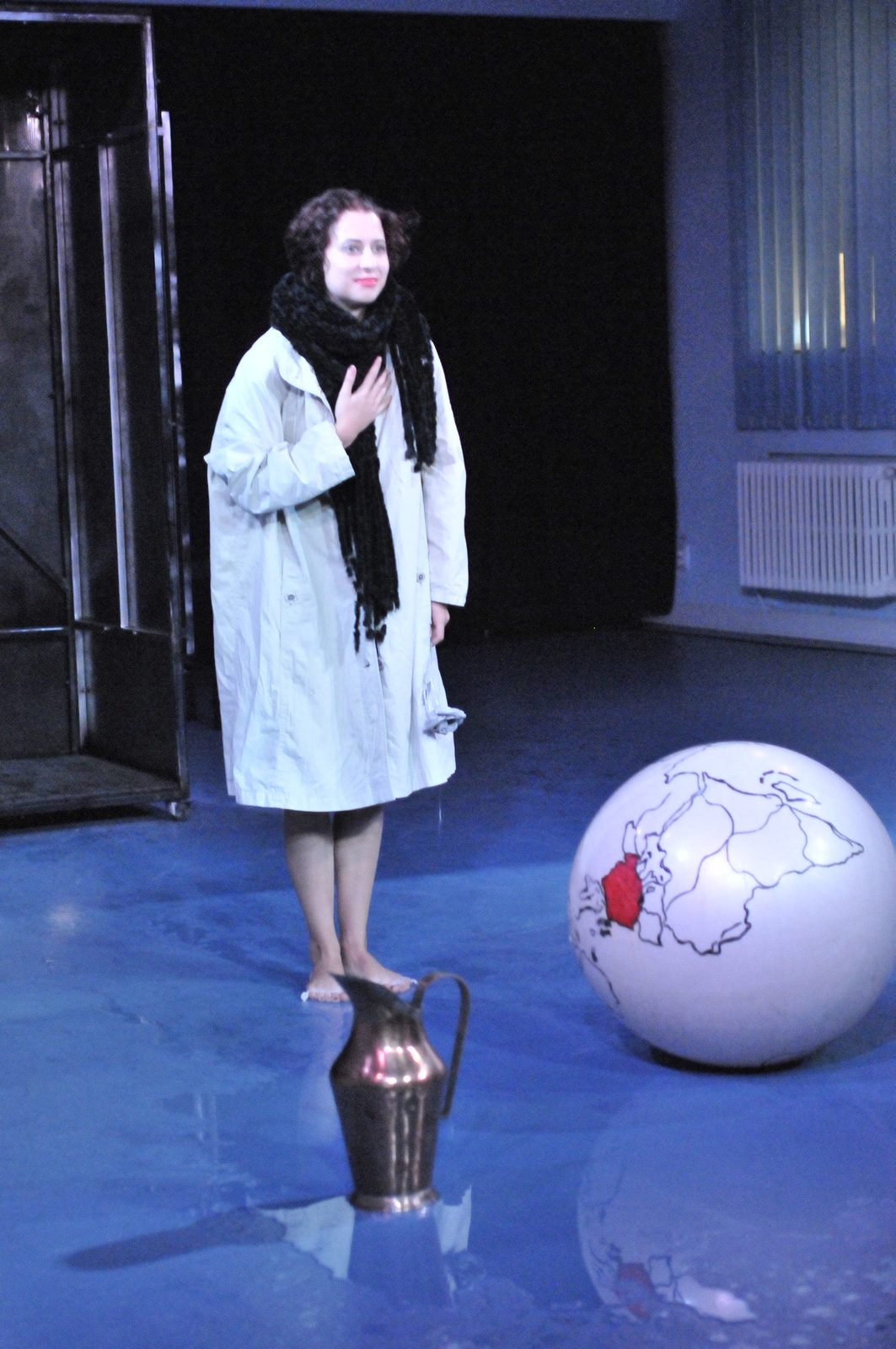
“Interviu cu un ego” is a theatre-dance show by Hugo Wolff, with Diana Cătănescu, on a text by Ecaterina Oproiu. The poster announces the performance of 20 September 2013, at 17:00, in the Sala Albastră of the Student Culture House of Sibiu.
Diana Cătănescu




Theatre-dance
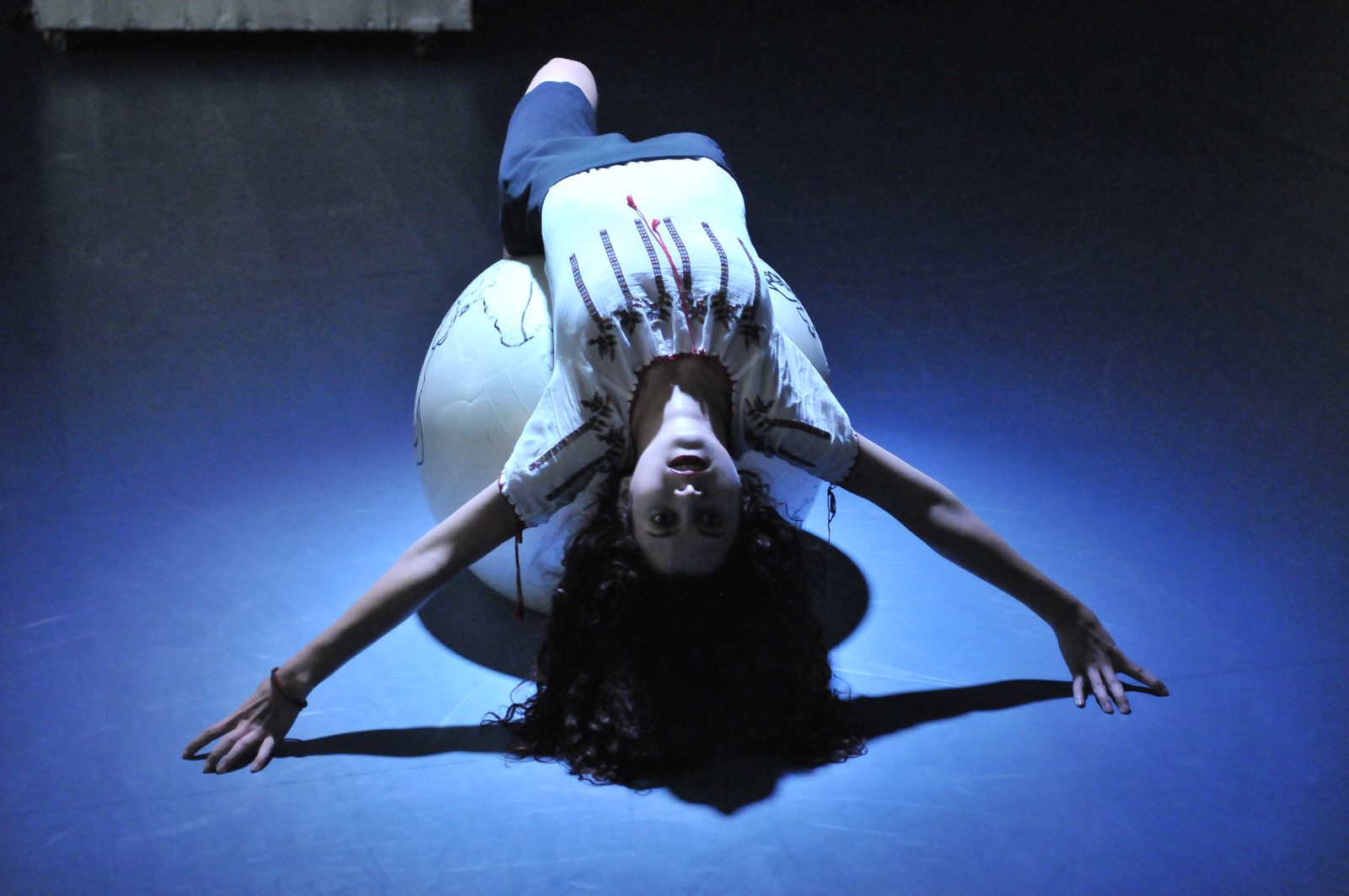
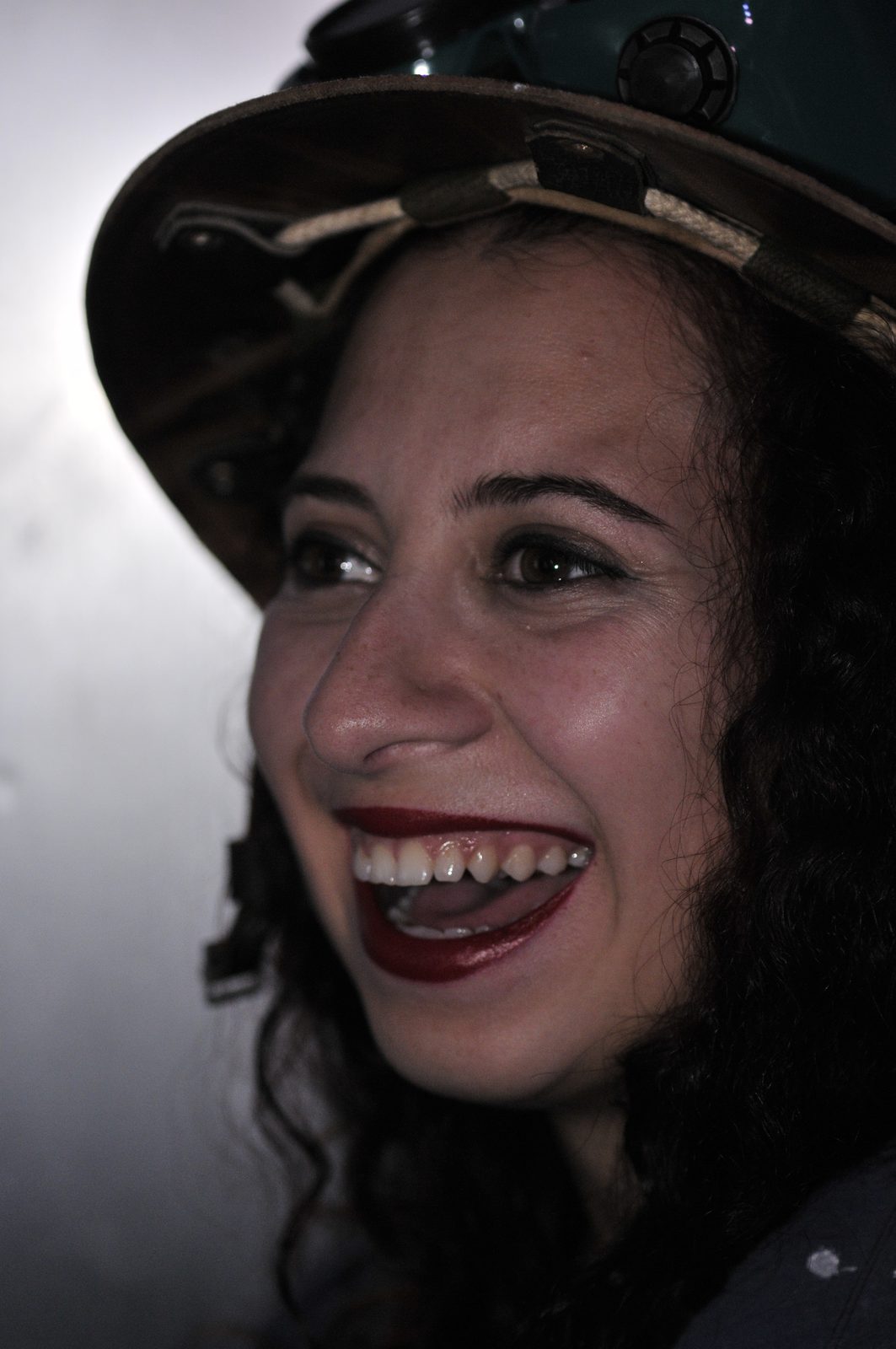
condiția umană
Choreographer: Hugo Wolff · Genre: Theatre-dance · Year: 2012
Theatre-dance show. Choreographer: Hugo Wolff. Producer: Student Culture House of Sibiu, Microbis Theatre-Dance Company.
“The show “HUREM – condiția umană” has as its common thread the cycle of human life, each stage we go through being clearly transposed into the choreographic discourse. With relatively simple props, but with a choreography involving extremely varied and coherent elements of movement, choreographer Hugo Wolff manages to highlight each age of man, removing the temptation of any interpretations. The stories are told through dance, music, poetry and, last but not least, through the unconventional space chosen for the show’s premiere.”Tribuna, 19 September 2012 — “Hurem, o premieră dansantă”






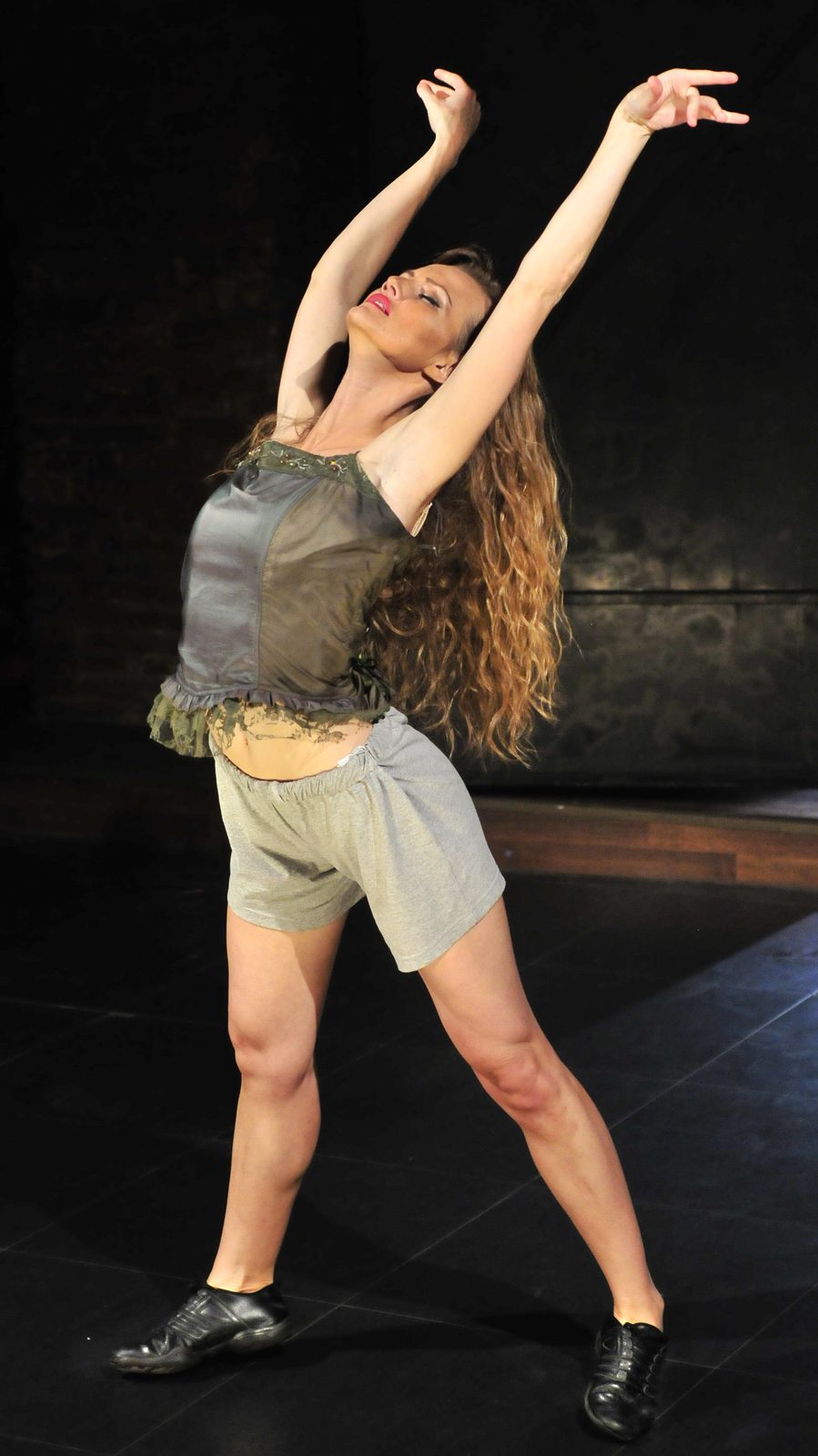
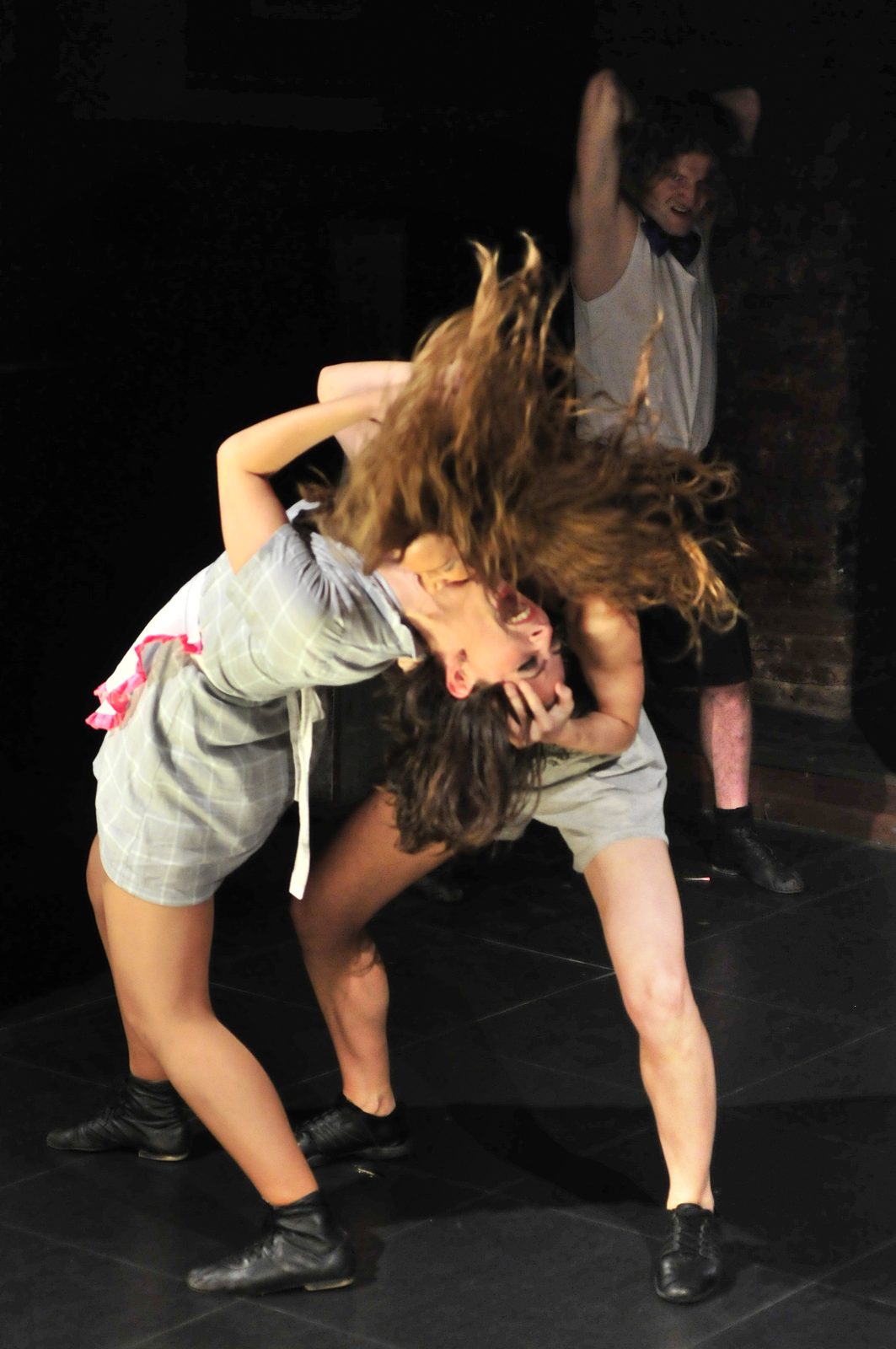


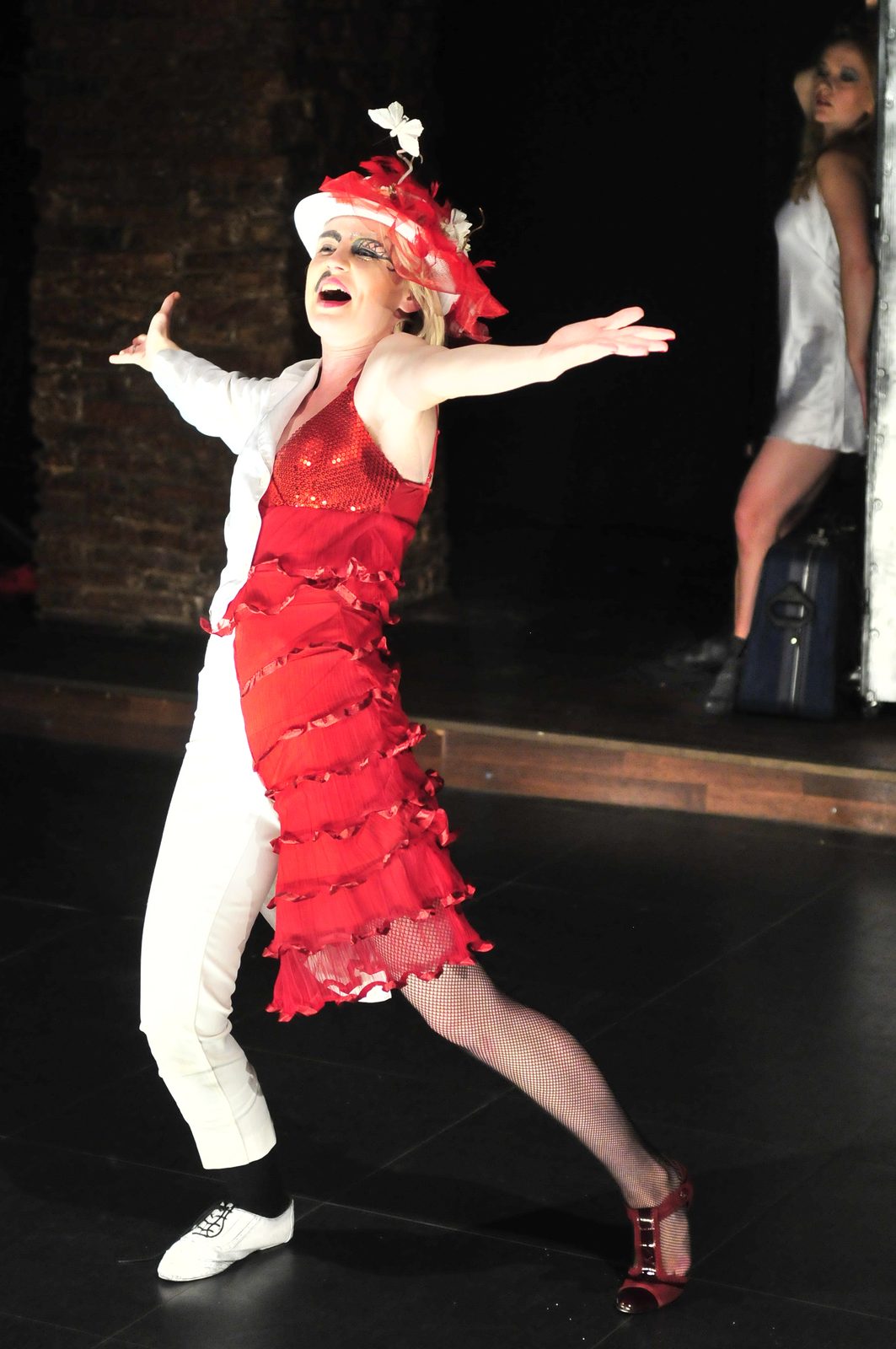
Theatre-dance
Genre: Theatre-dance · Producer: Student Culture House of Sibiu · Year: 2011
A theatre-dance show. Producer: Student Culture House of Sibiu, Microbis Theatre-Dance Company. Poster design: Mihai Panaitescu.
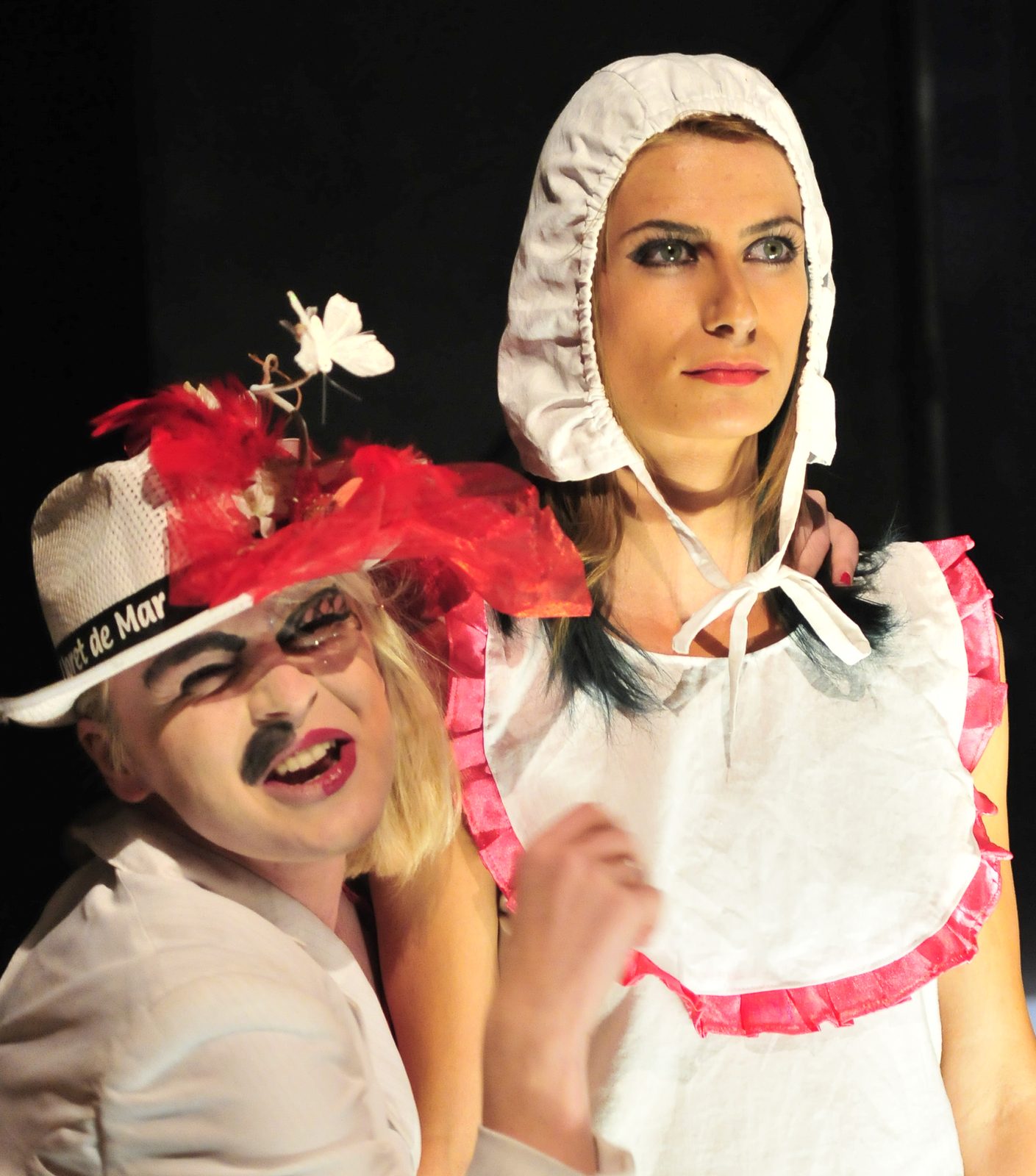
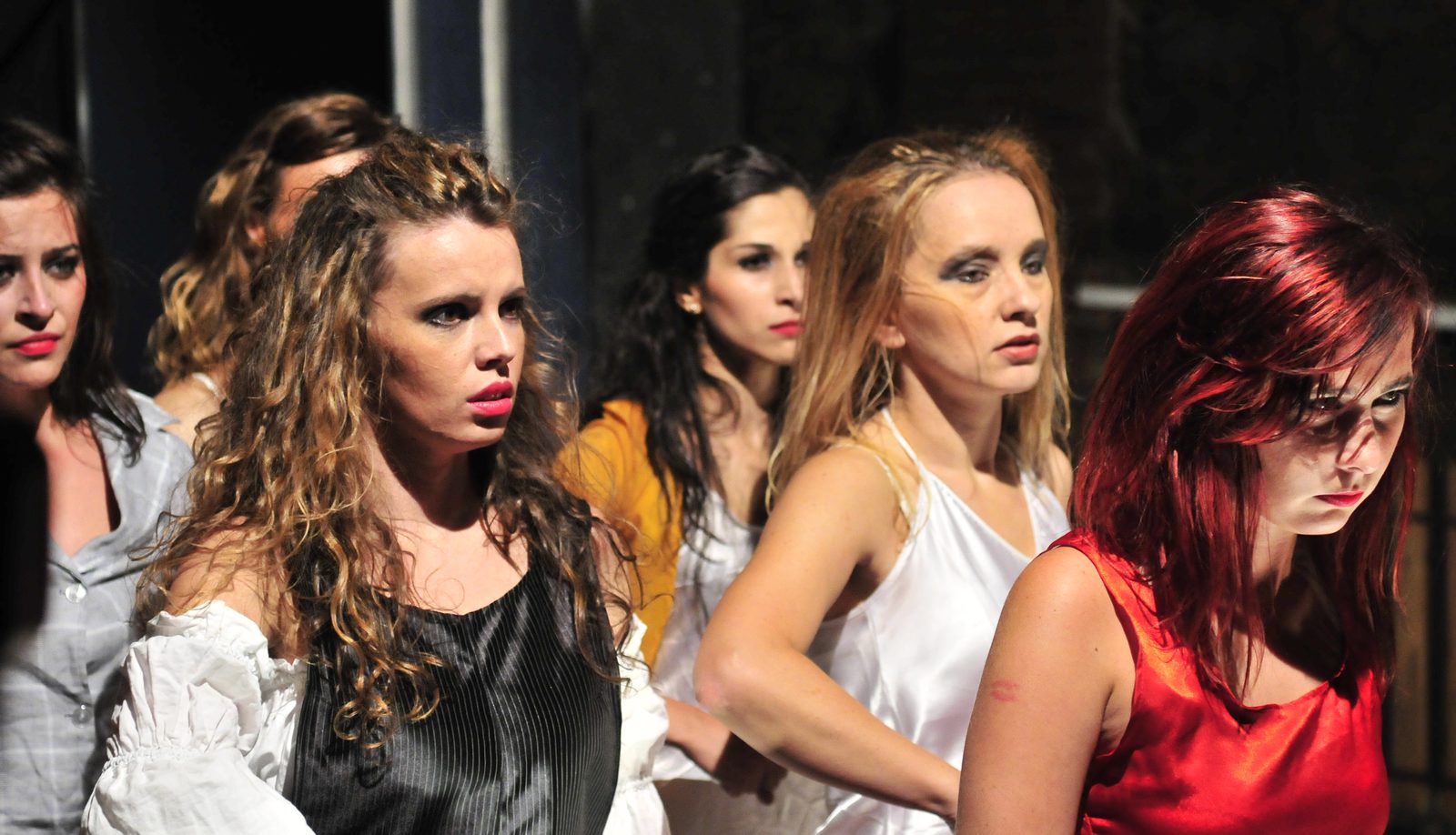
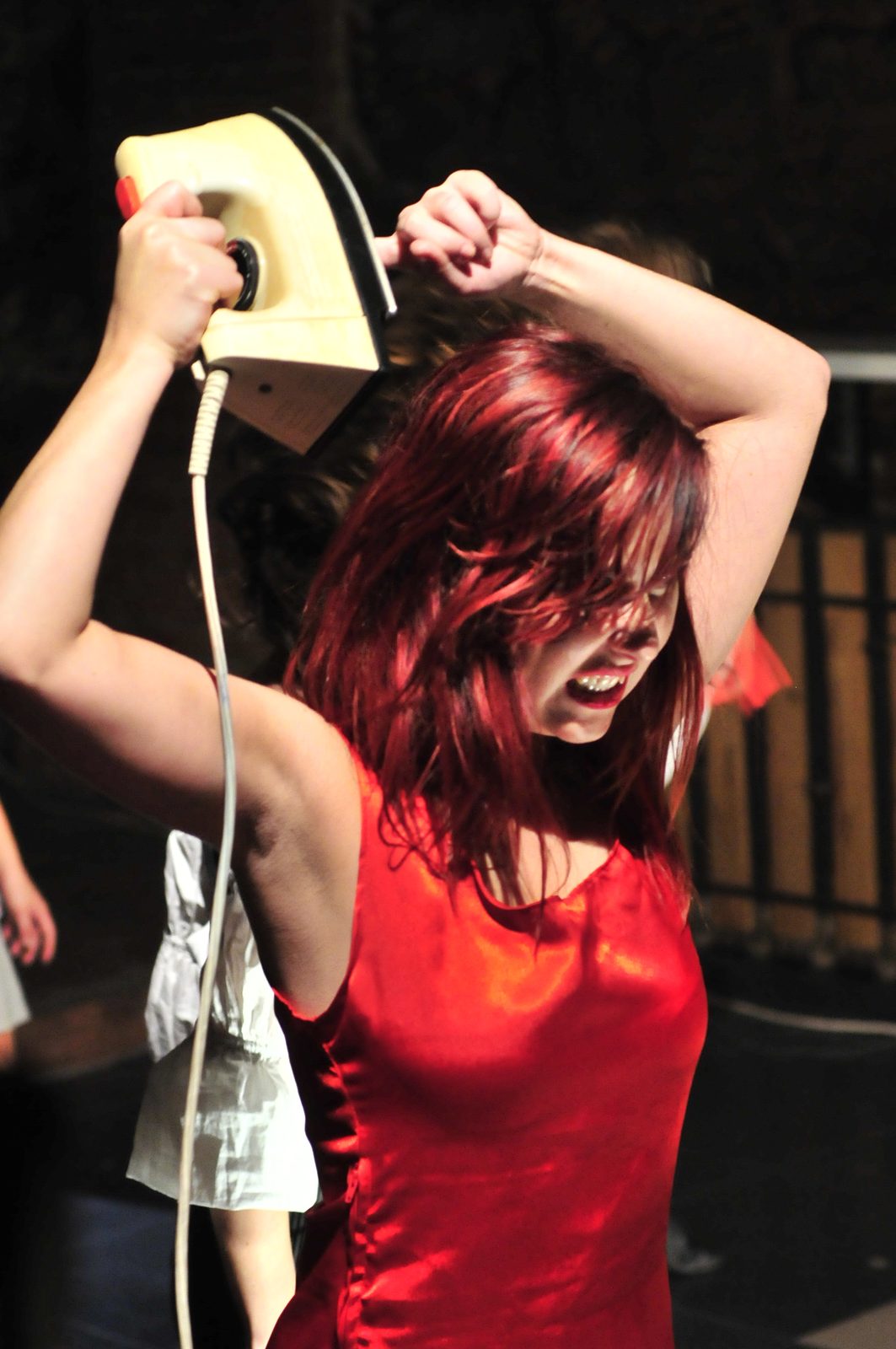
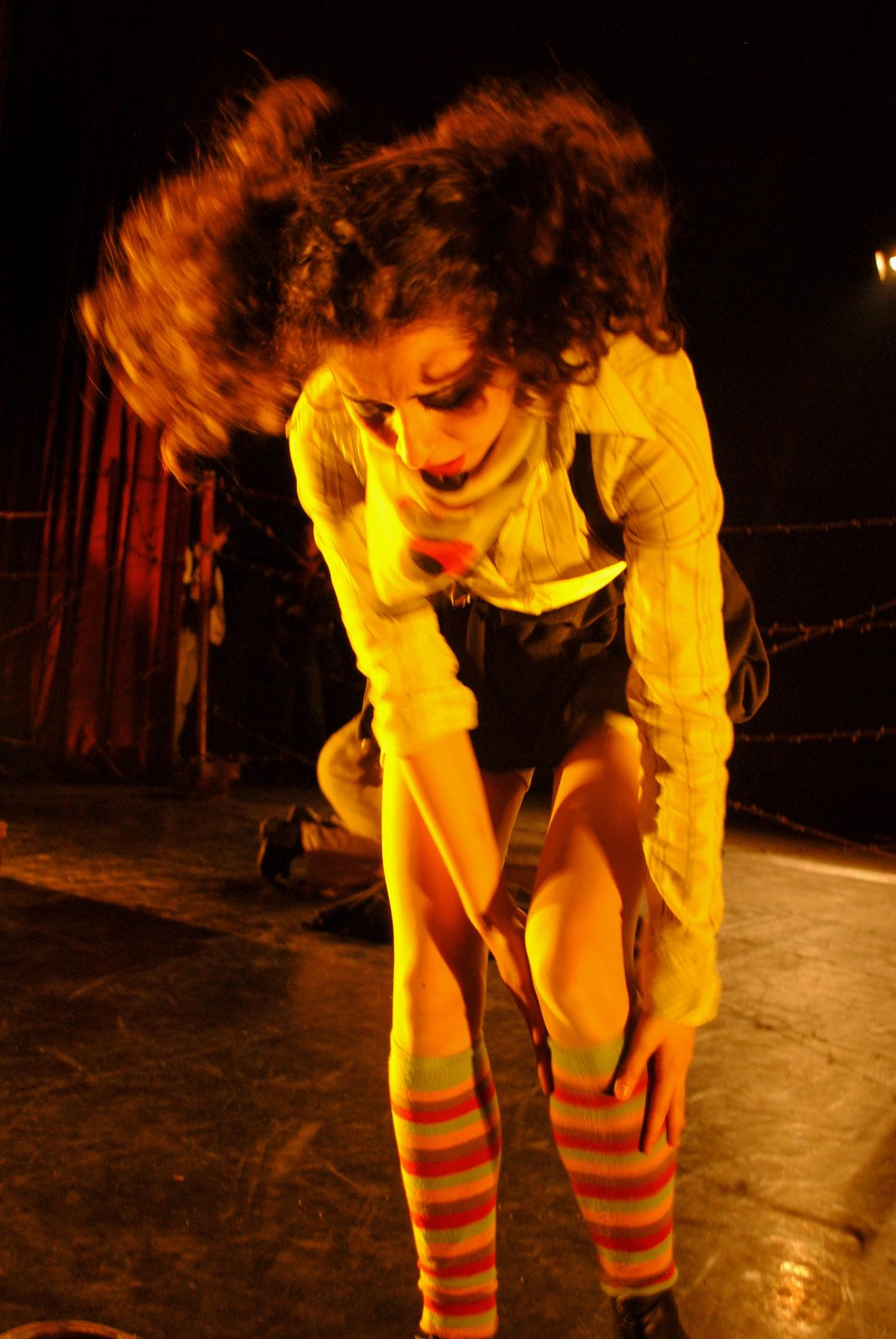
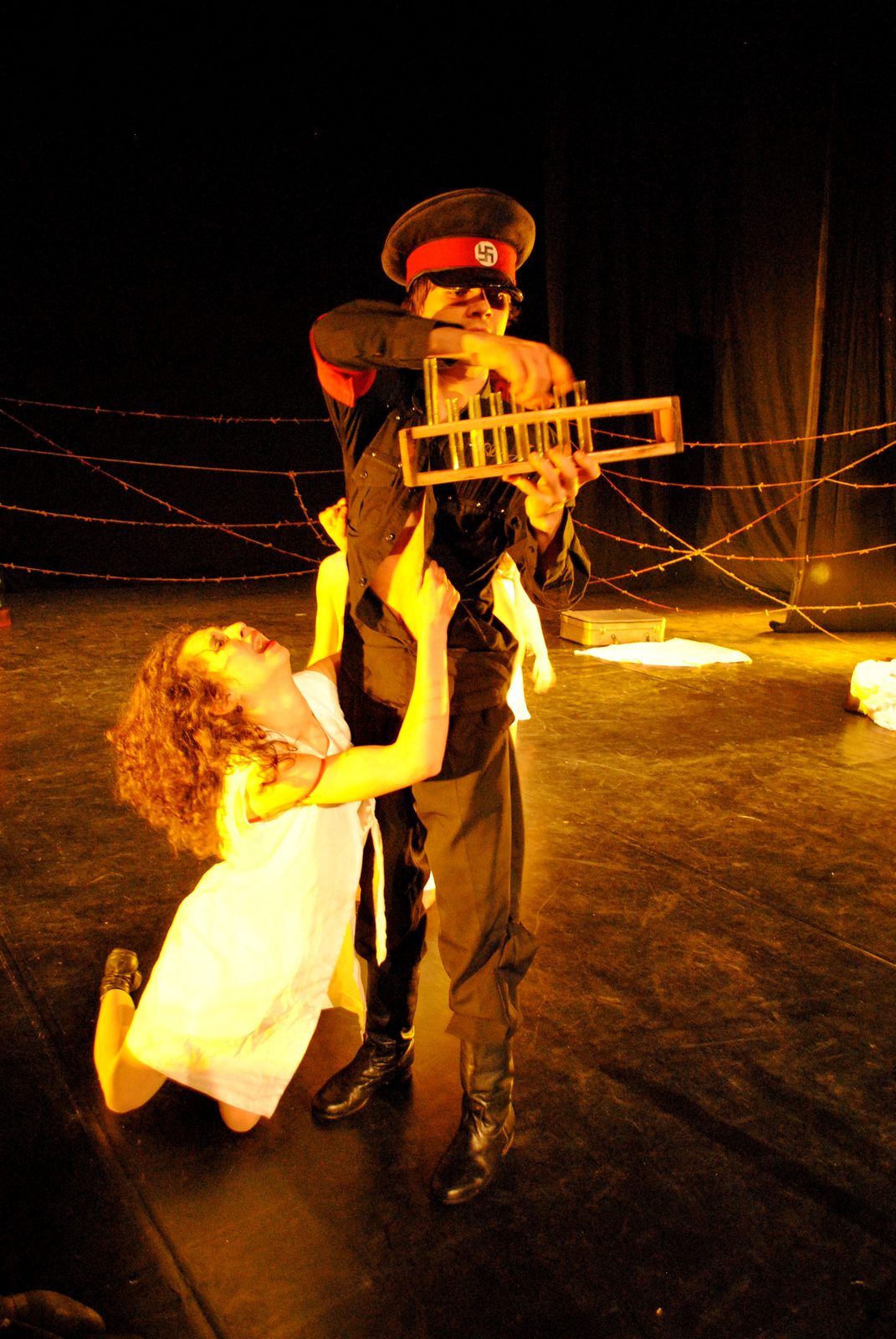
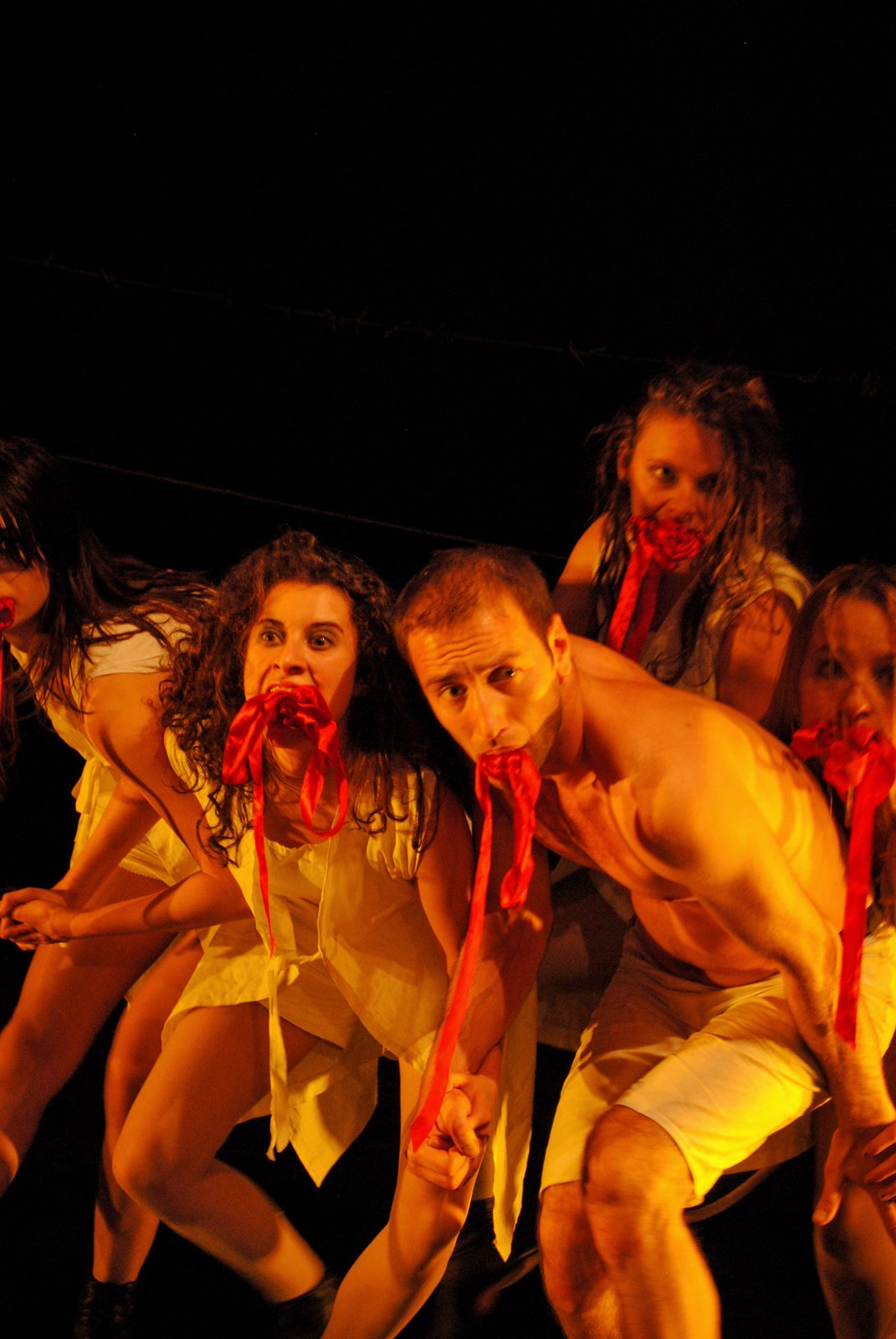
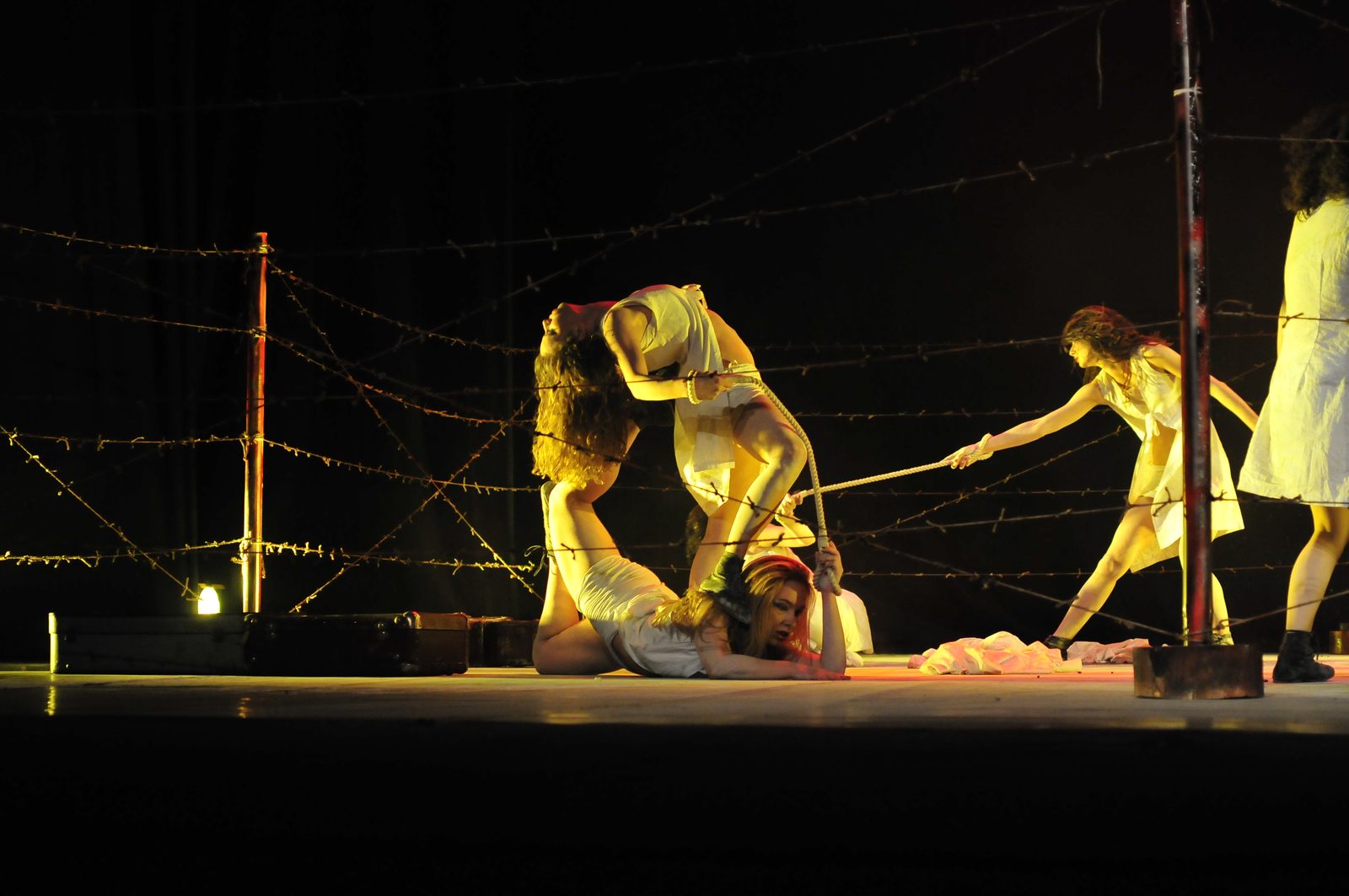
“Starting from historical scenes, Hugo Wolff, who signs the choreography of this show, has transposed into dance moments from the dark history of Europe. The MICROBIS Dance Company presents a creation set in a “death camp”, a story of love and hatred told through dance and music. The MICROBIS Dance Company mainly supports and promotes contemporary dance, aiming to initiate cultural projects with impact. Although made up mostly of students, the Microbis Company has managed over the years to impress through its original choreographic productions.”Adevărul de seară, 4 October 2011

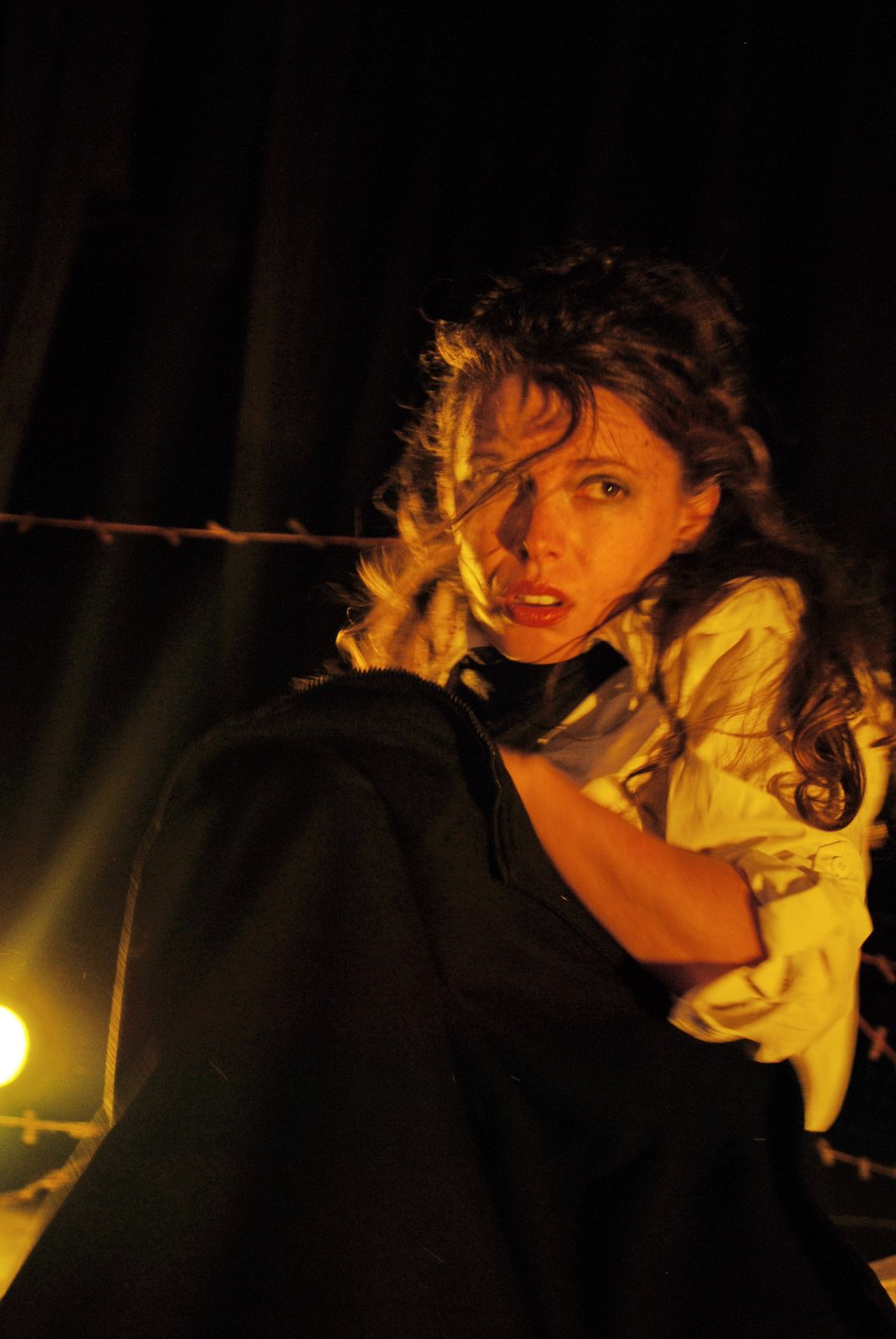






Theatre-dance
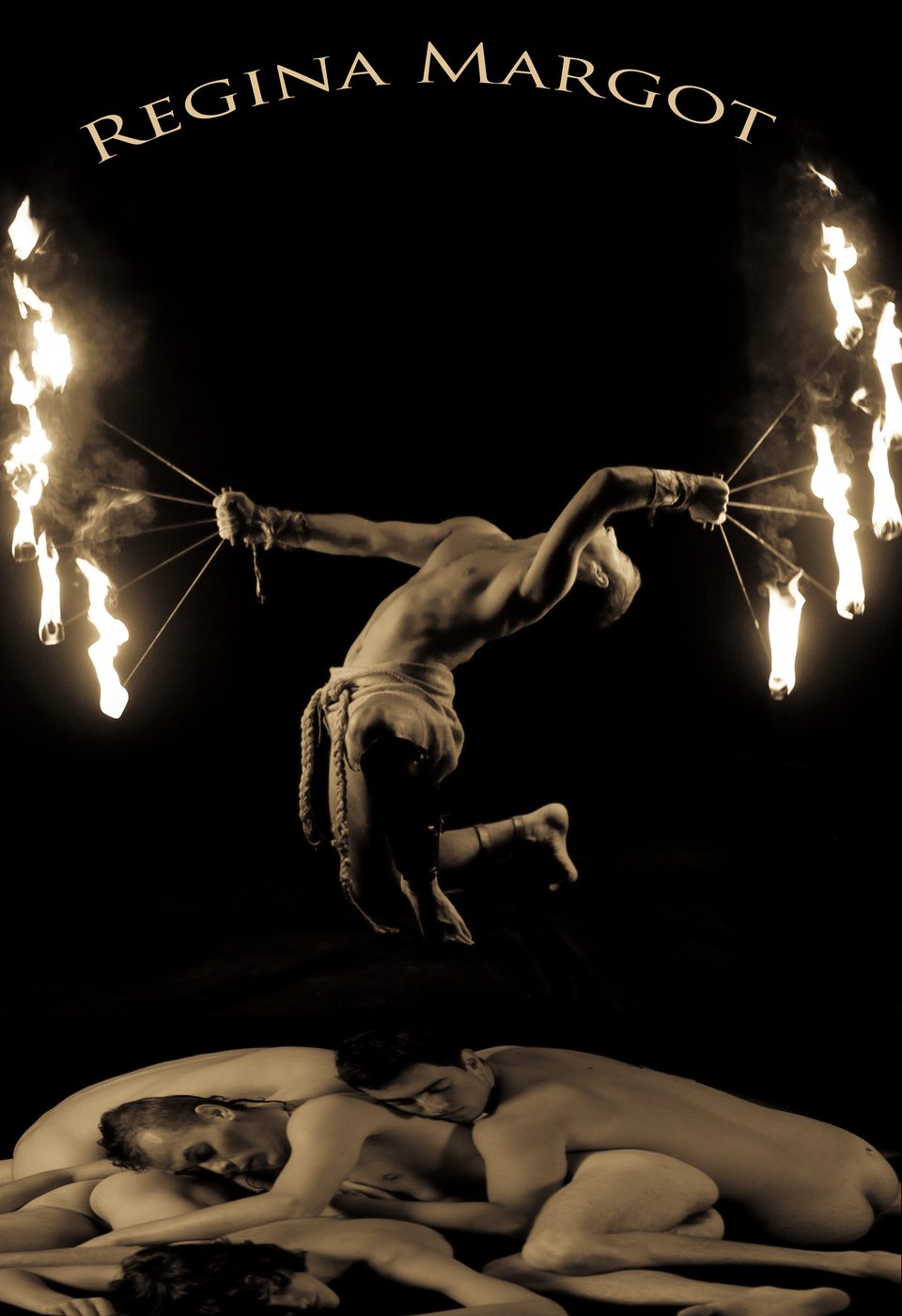
Genre: Theatre-dance · Producer: Student Culture House of Sibiu · Year: 2009
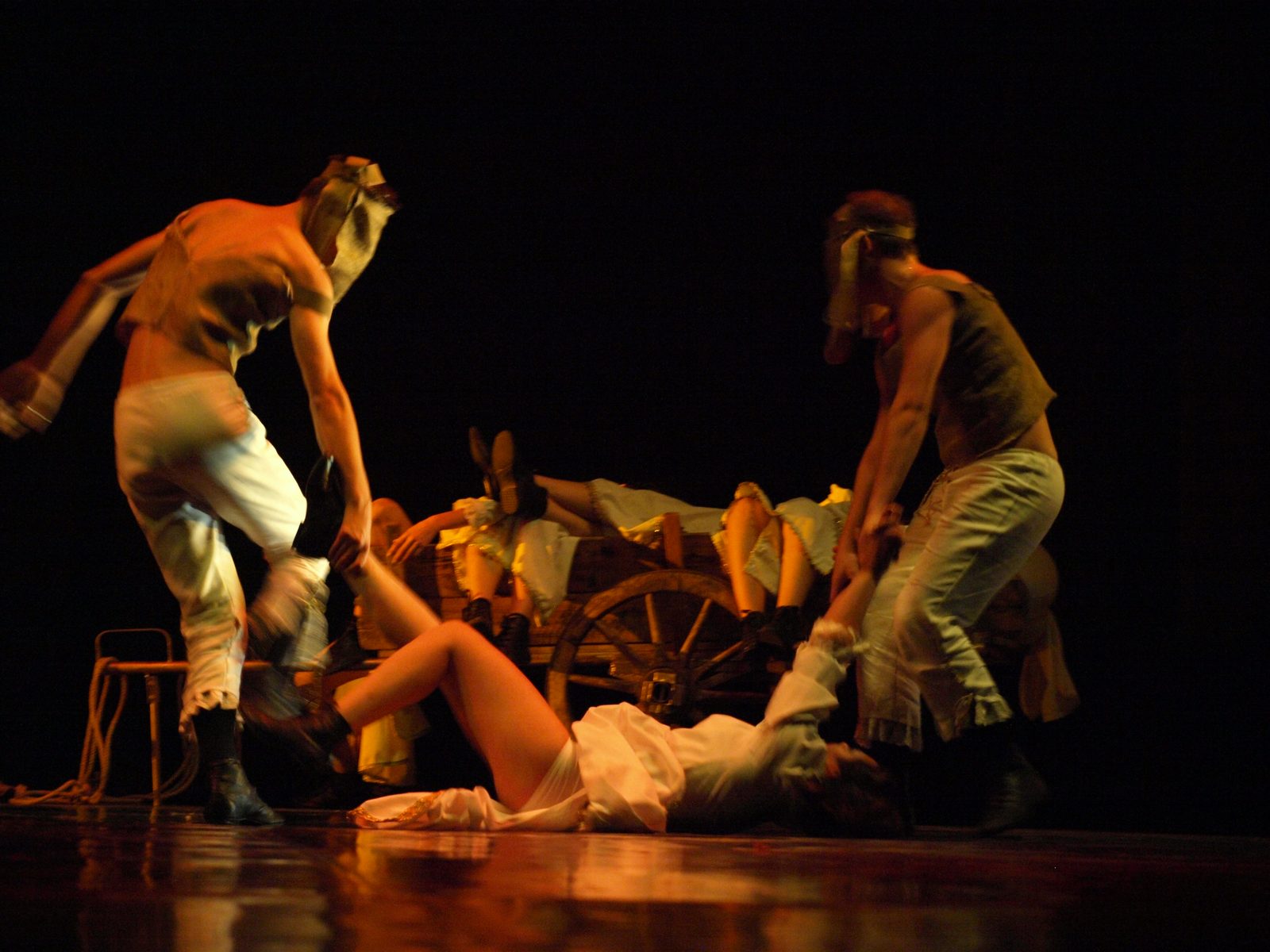
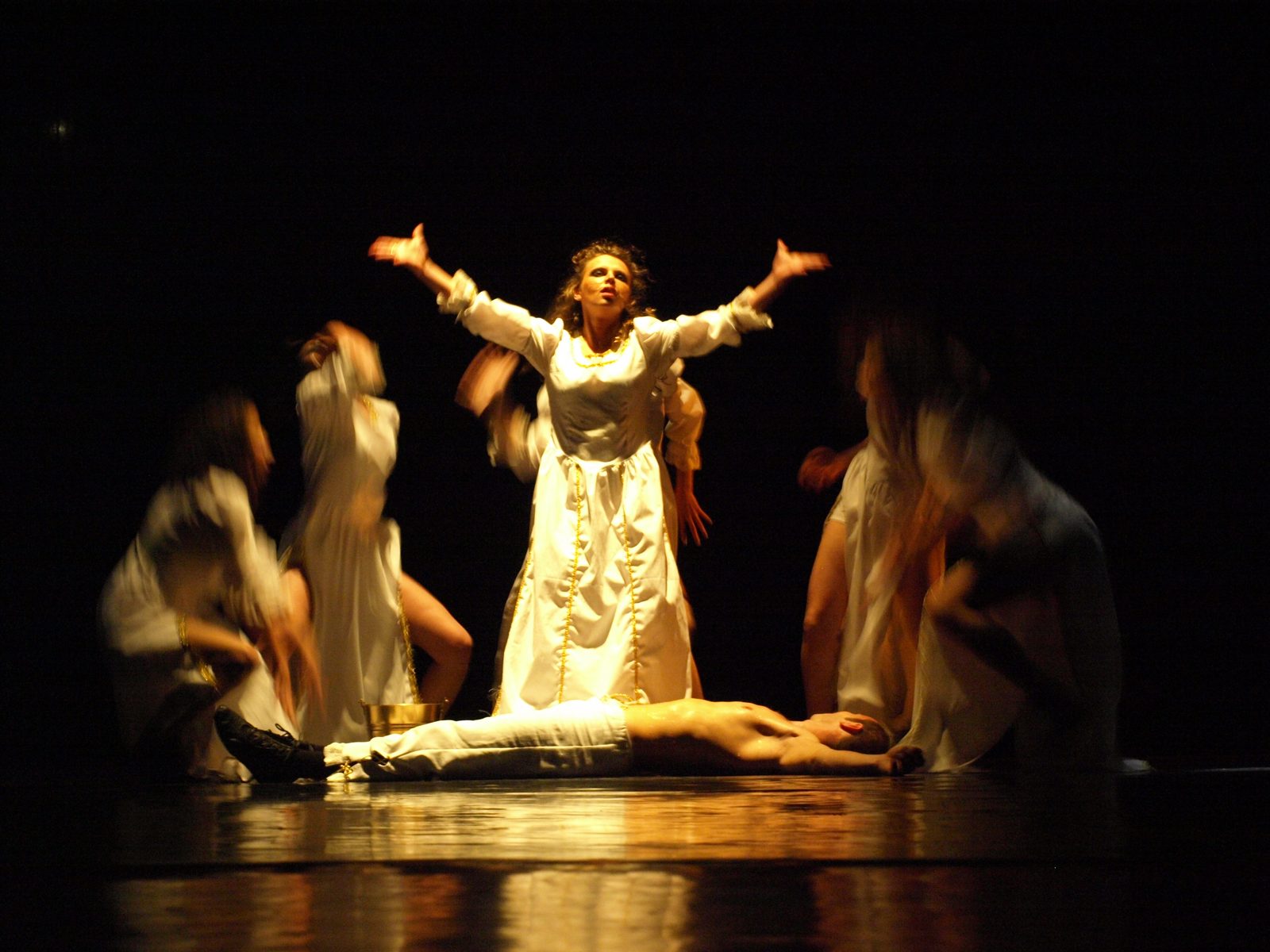
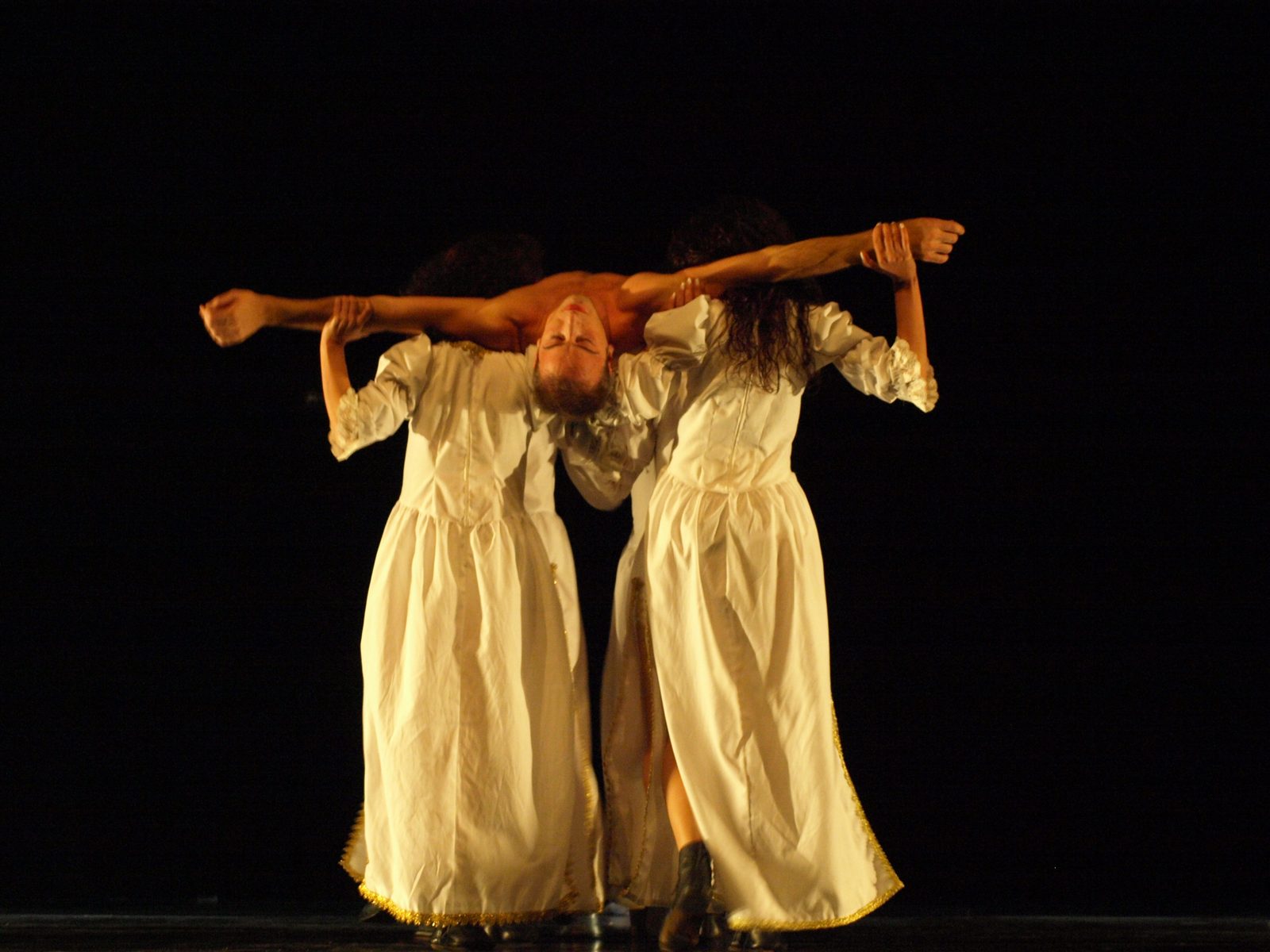
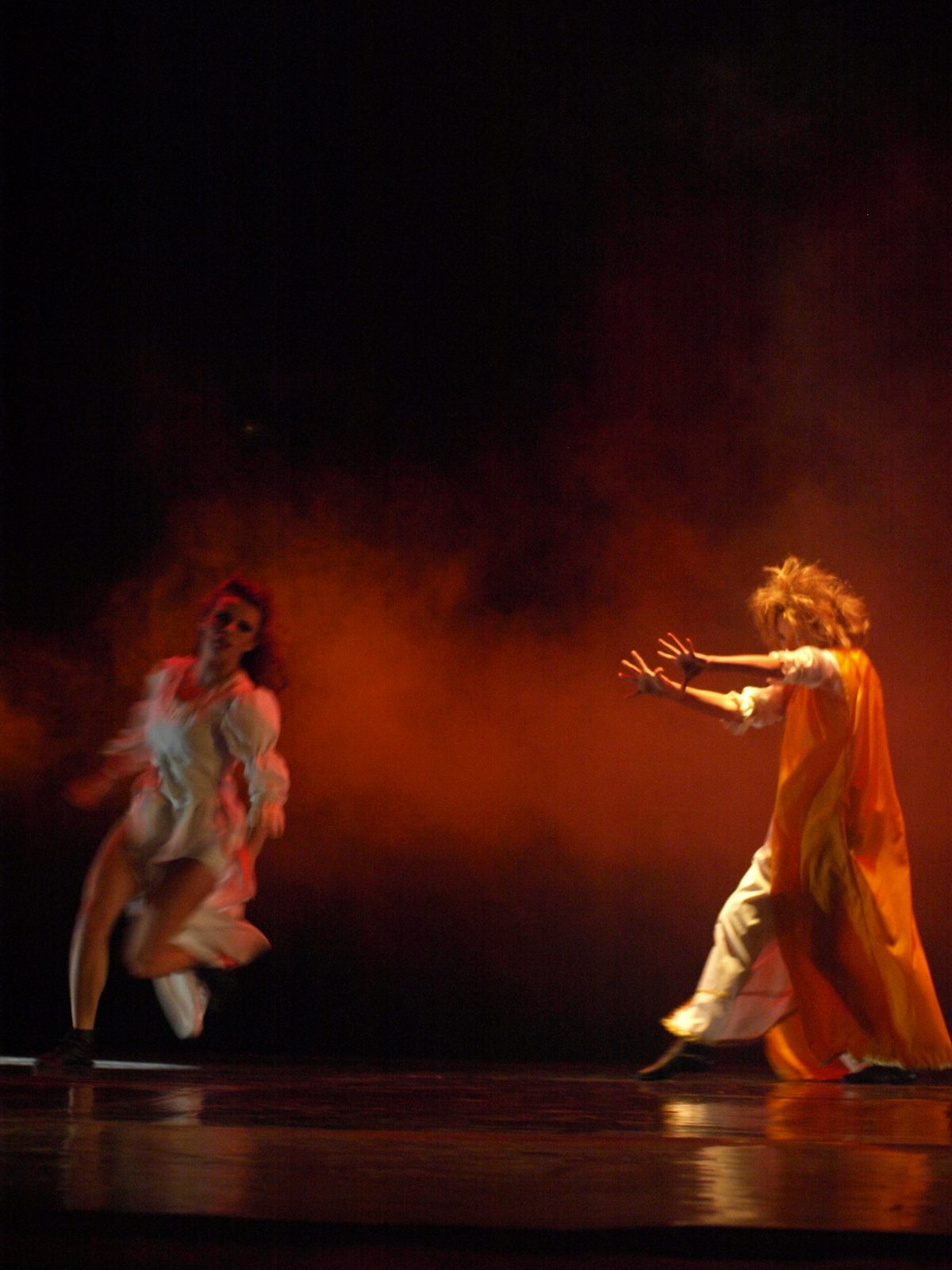
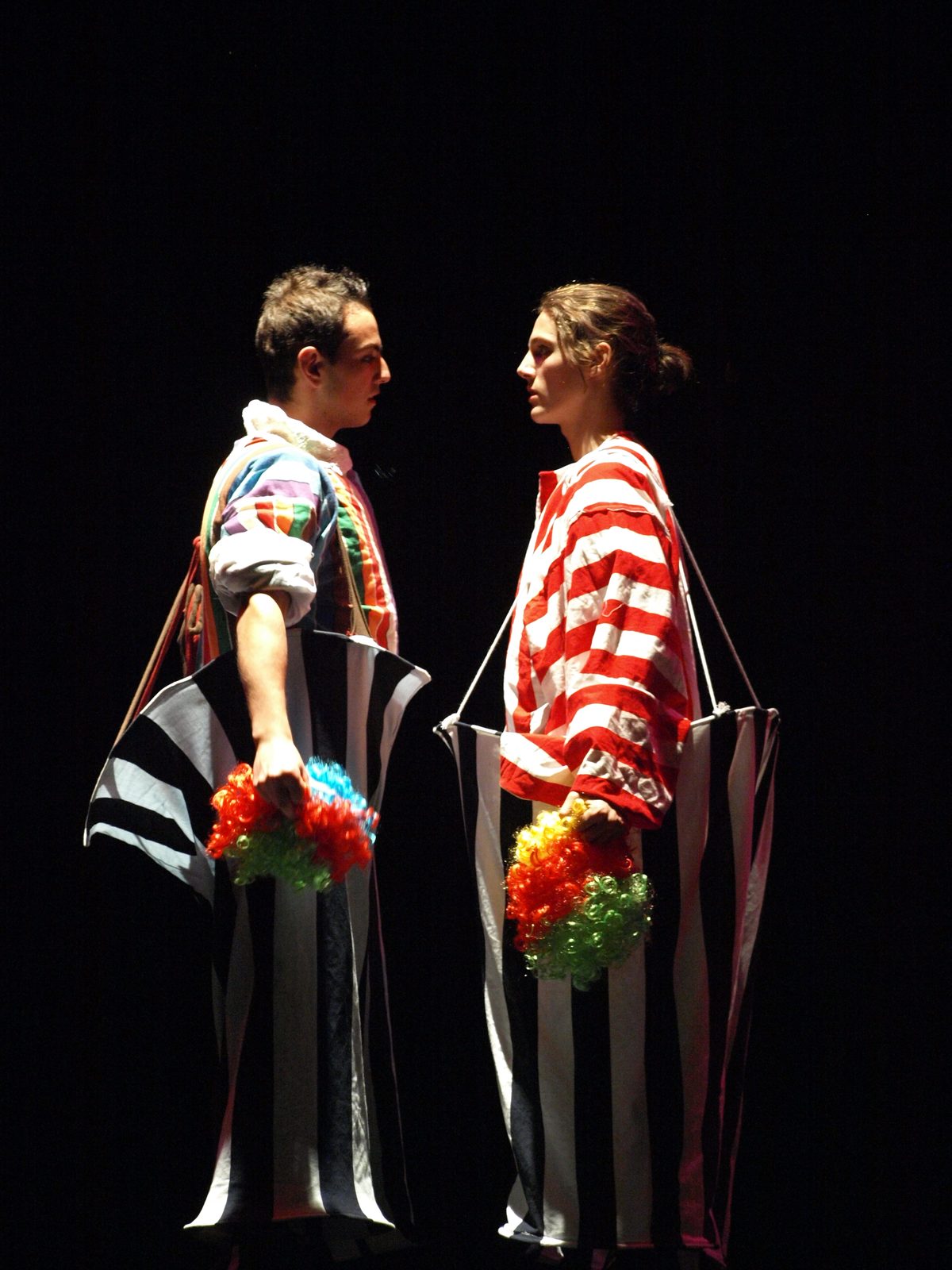
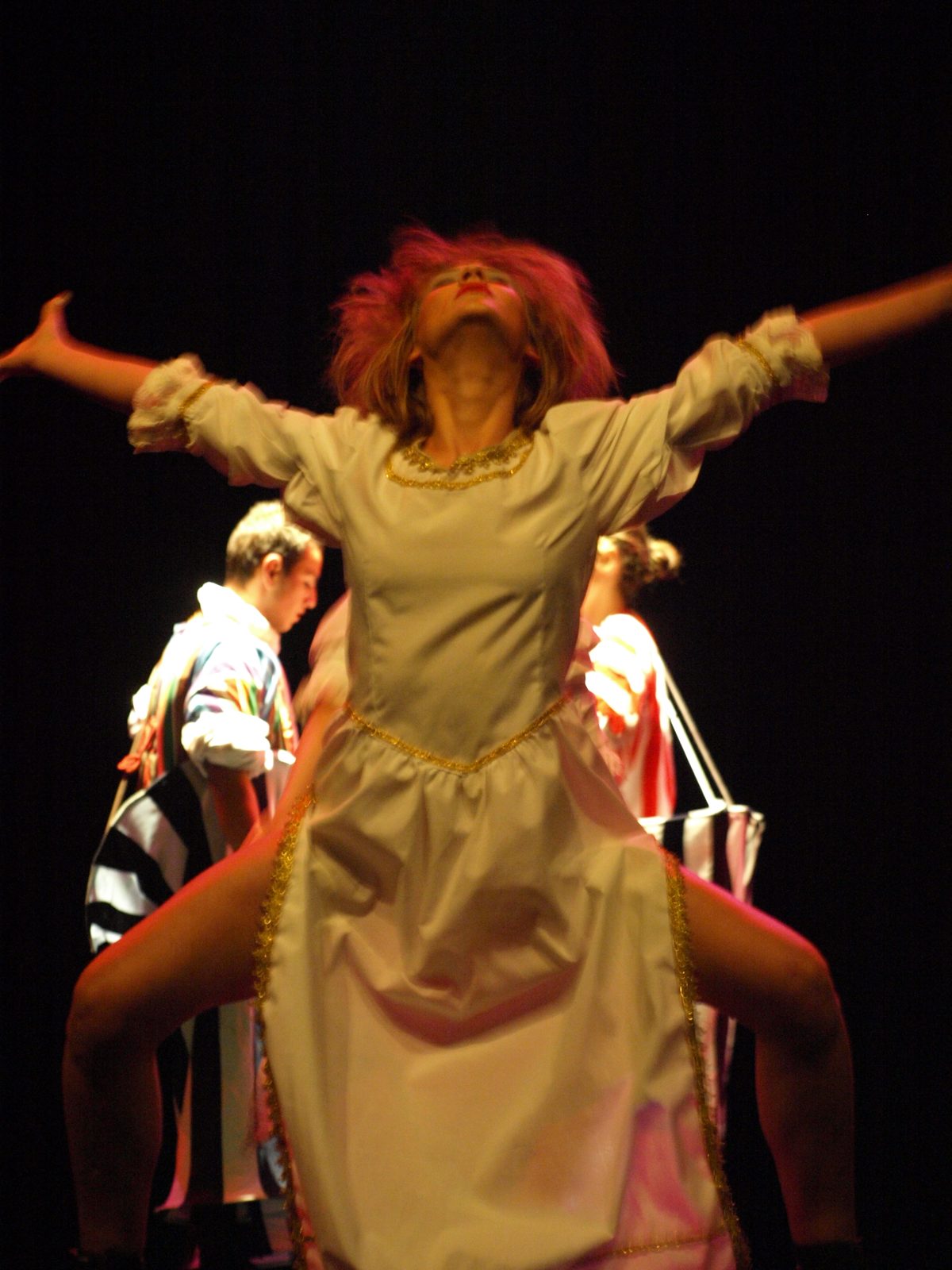
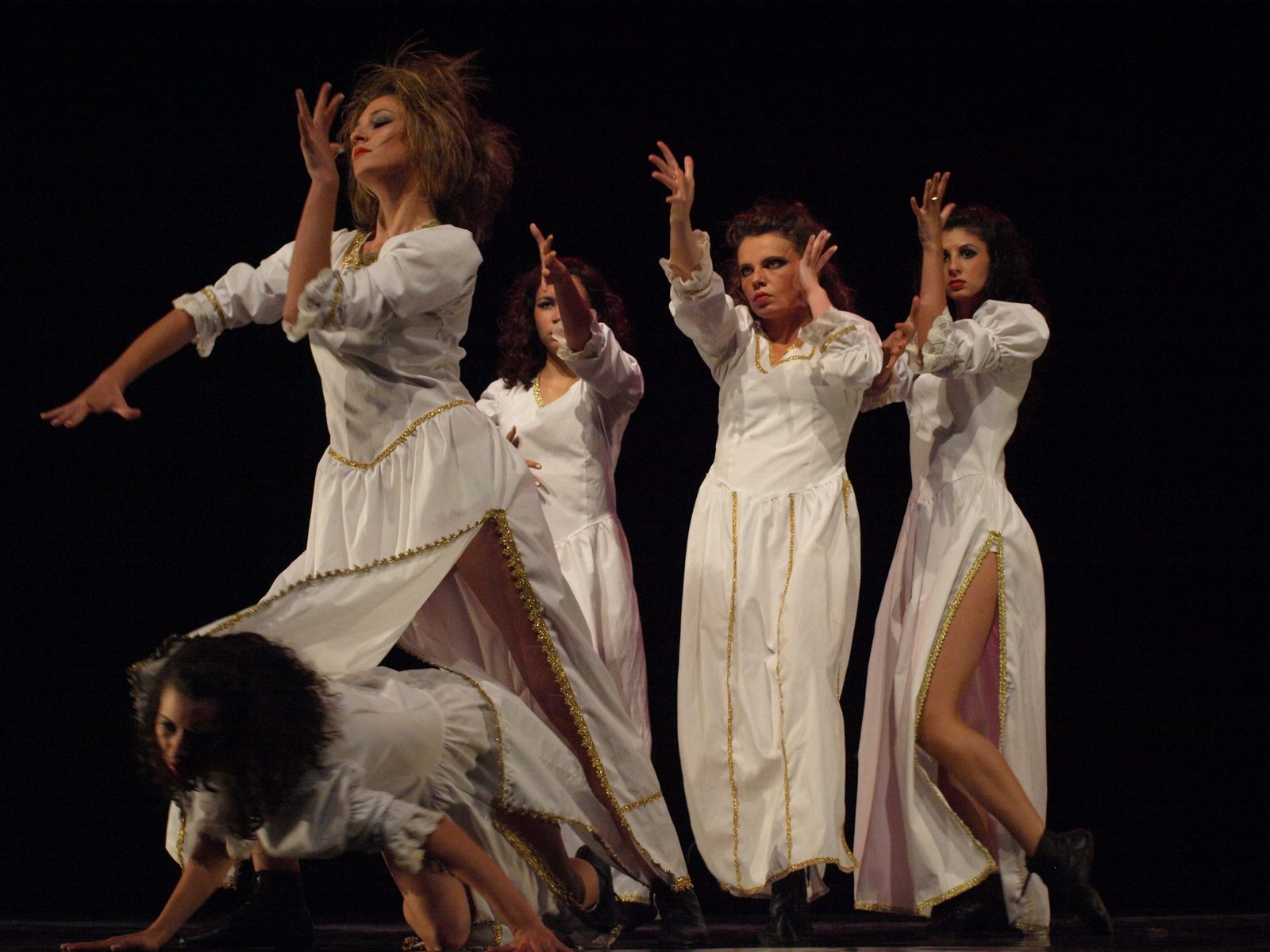
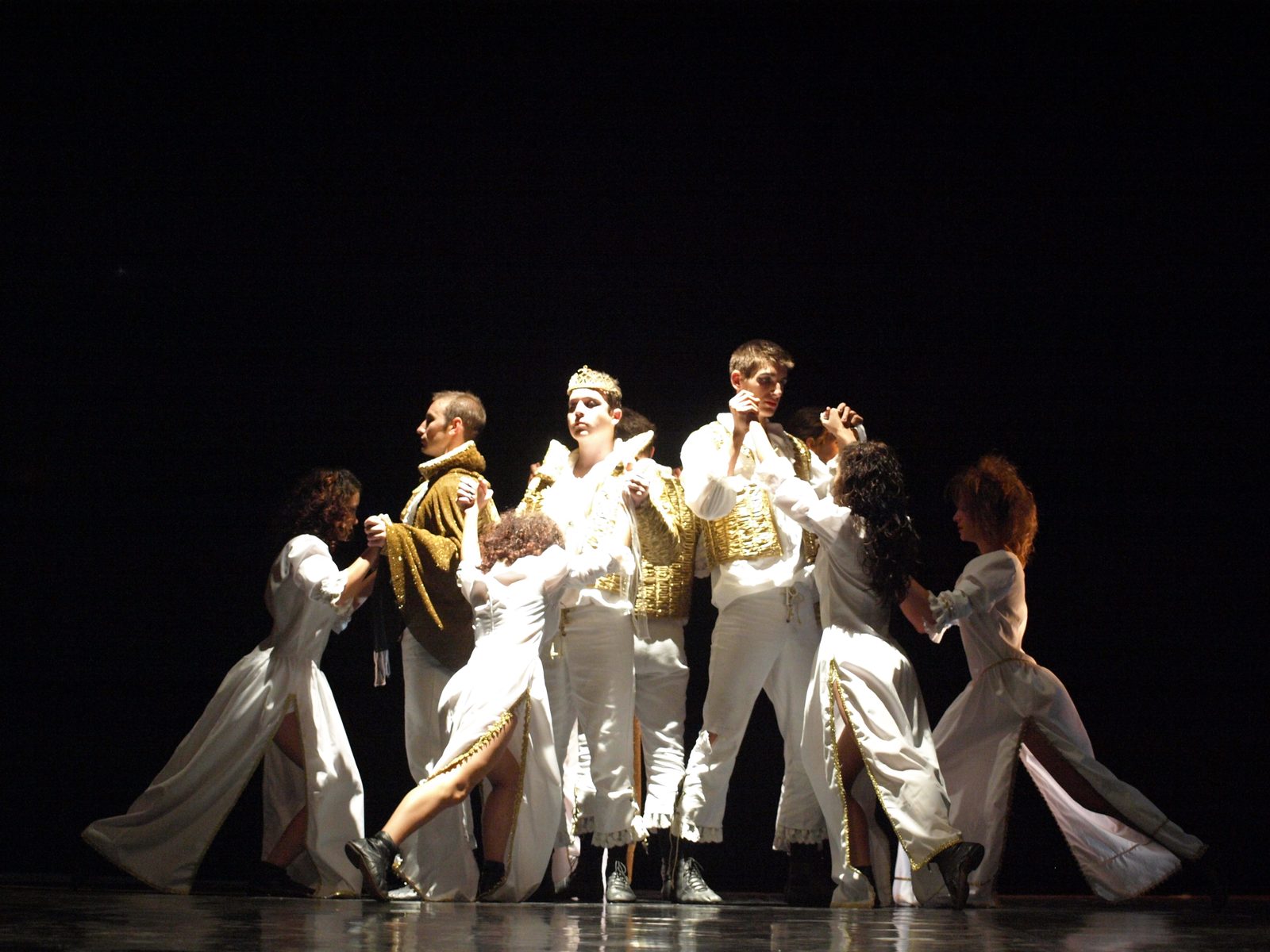
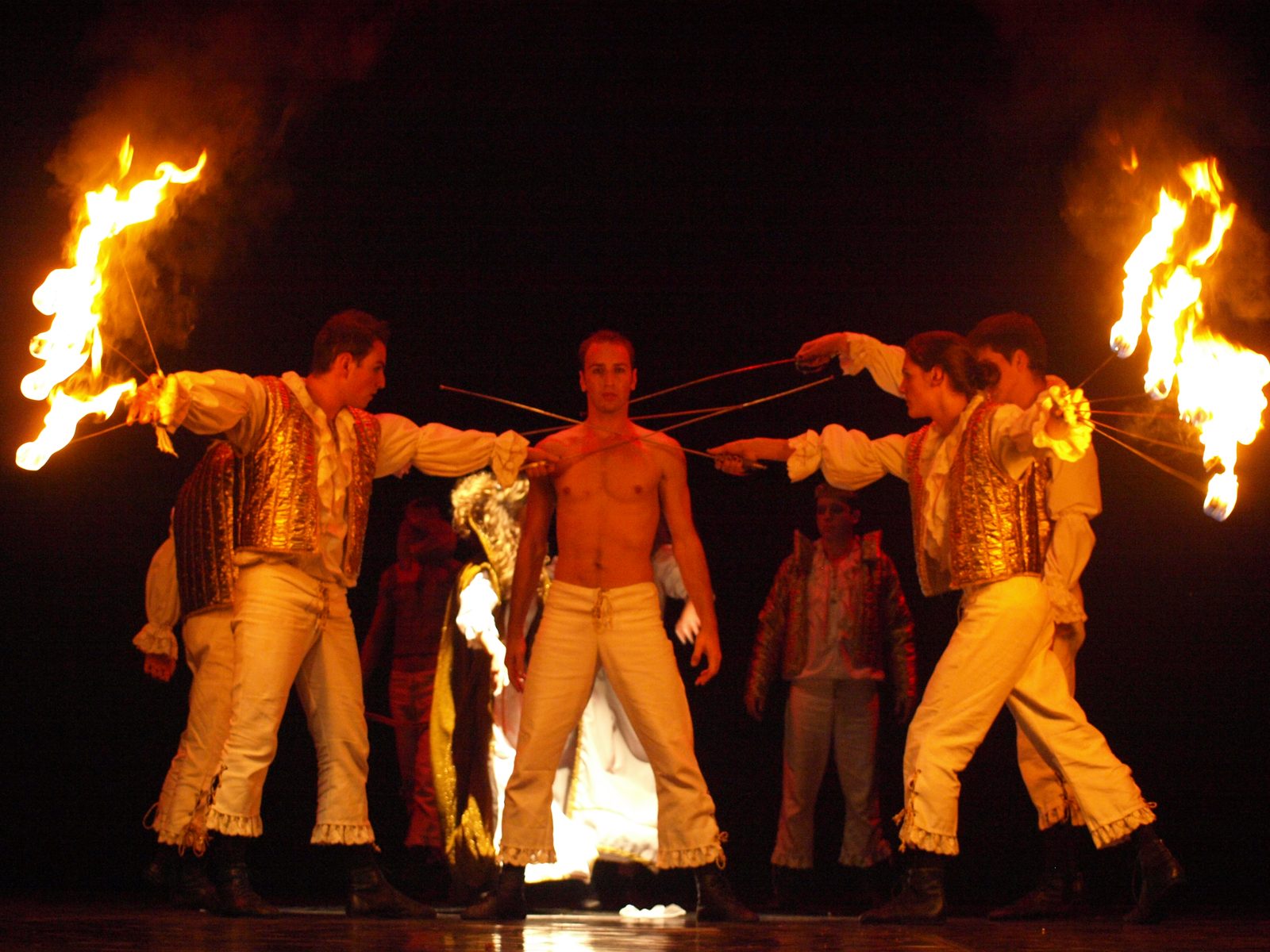
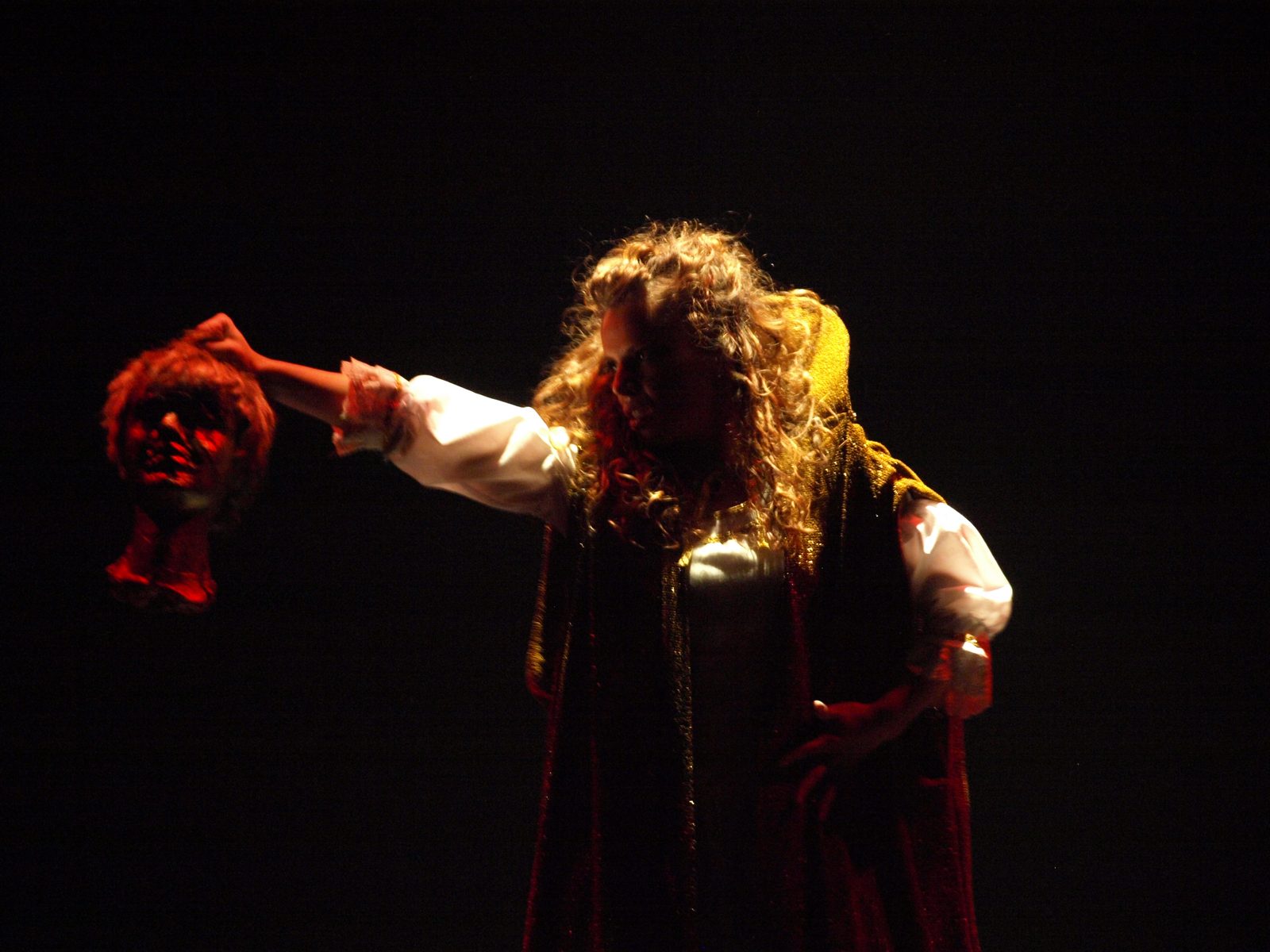
Understanding the reality of the reign of King Charles IX and reflecting it through dance is the essence of the show “Regina Margot”. The night of 23 to 24 August 1572, known in history as the St. Bartholomew’s Day Massacre, is the element on which the entire show is built. The contextual and sequential understanding of the events offers a chilling perspective on one of history’s atrocities and a disturbing portrait of the moral bankruptcy that pervaded the whole of 16th-century society. The royal palaces are turned into a nest of vipers, of power politics, of schemes and deceit.
The astonishing story of Queen Margot is transposed into dance through an oxymoron, the tableaux of dirty realism being superimposed on beauty.
The show has a circular dramaturgy: it begins and ends with St. Bartholomew’s Night.









Theatre-dance
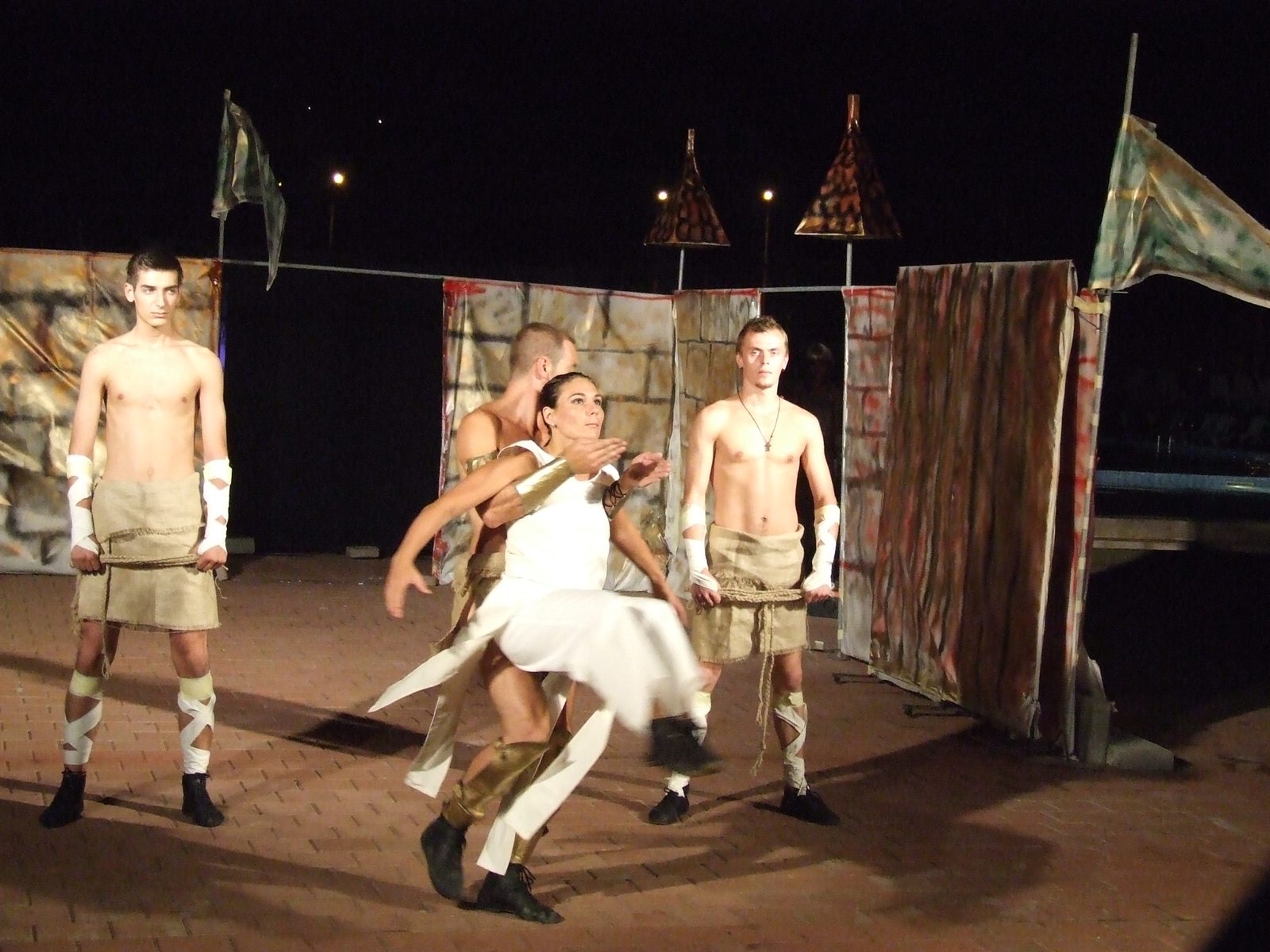
Împărăteasa Bizanțului
Choreography: Hugo Wolff · Music: Tică Alexe · Year: 2008
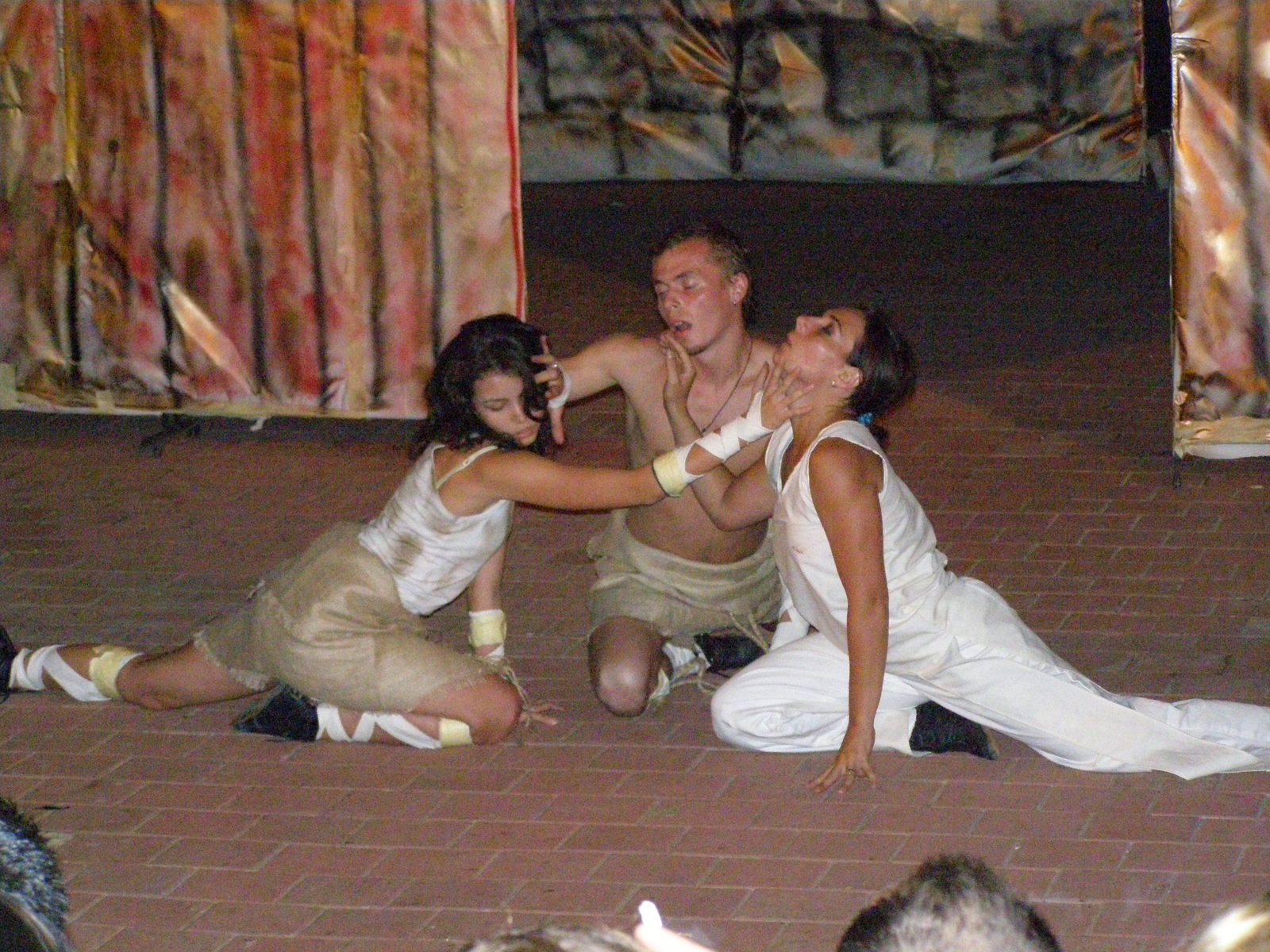
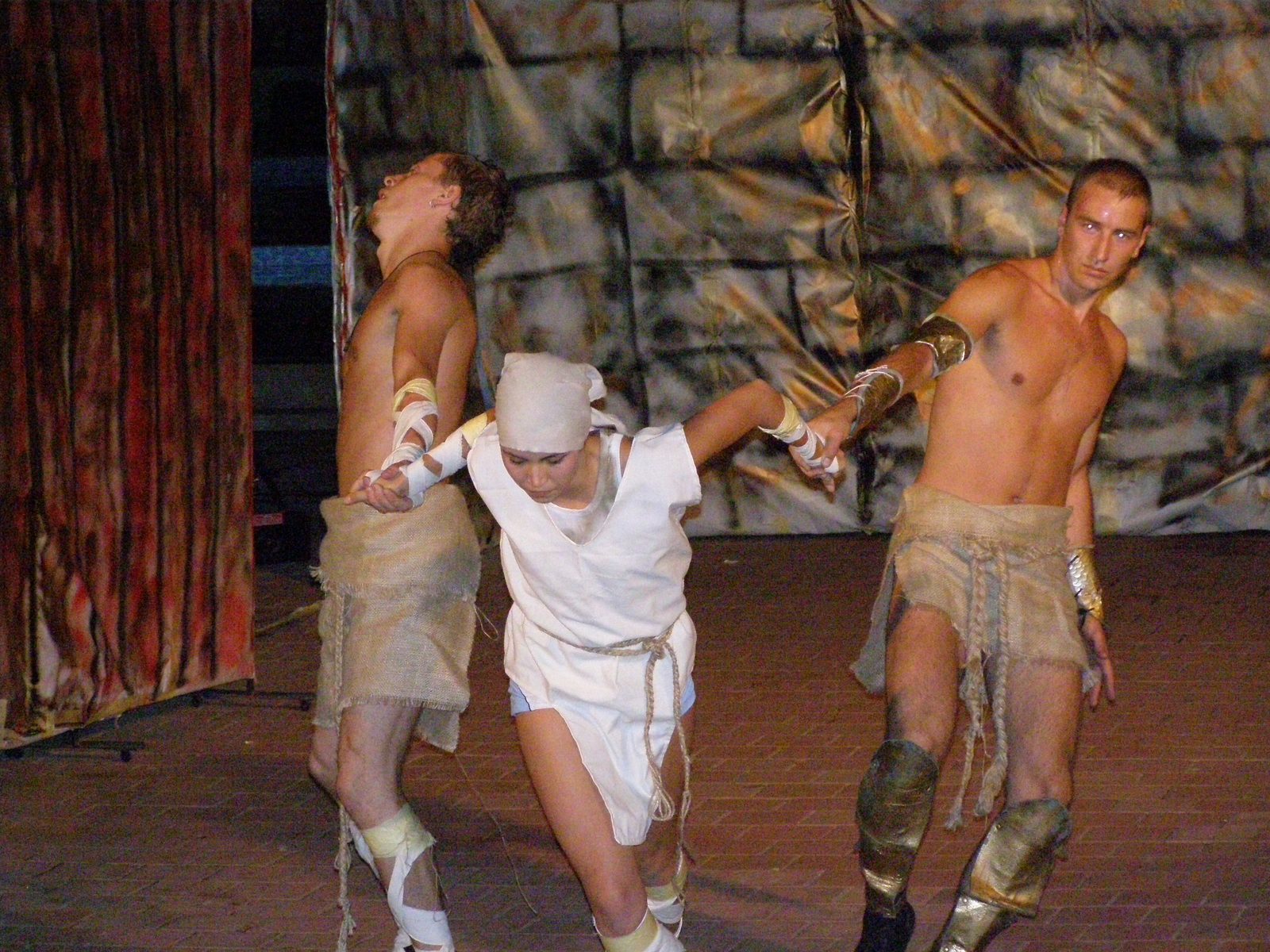
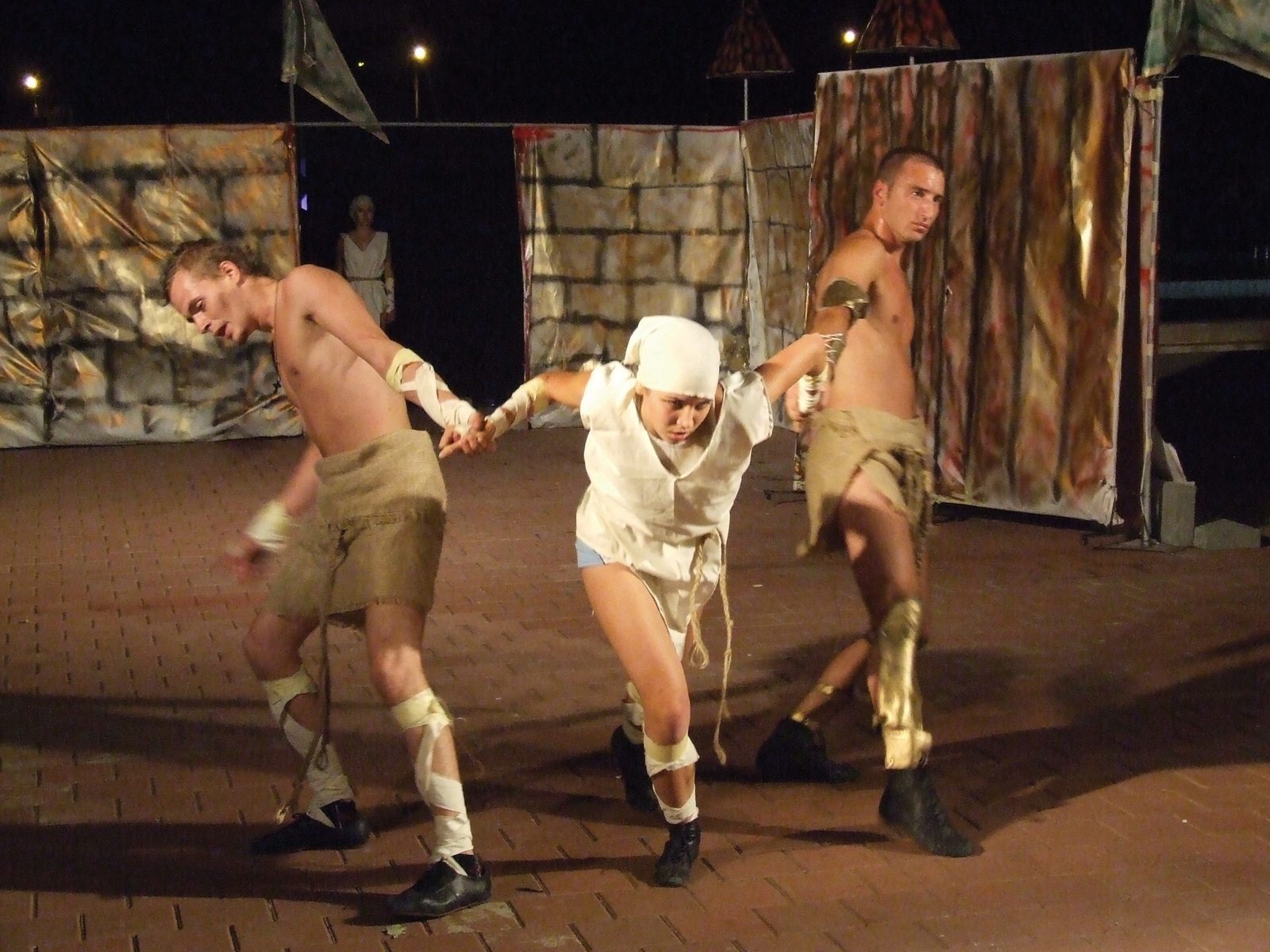
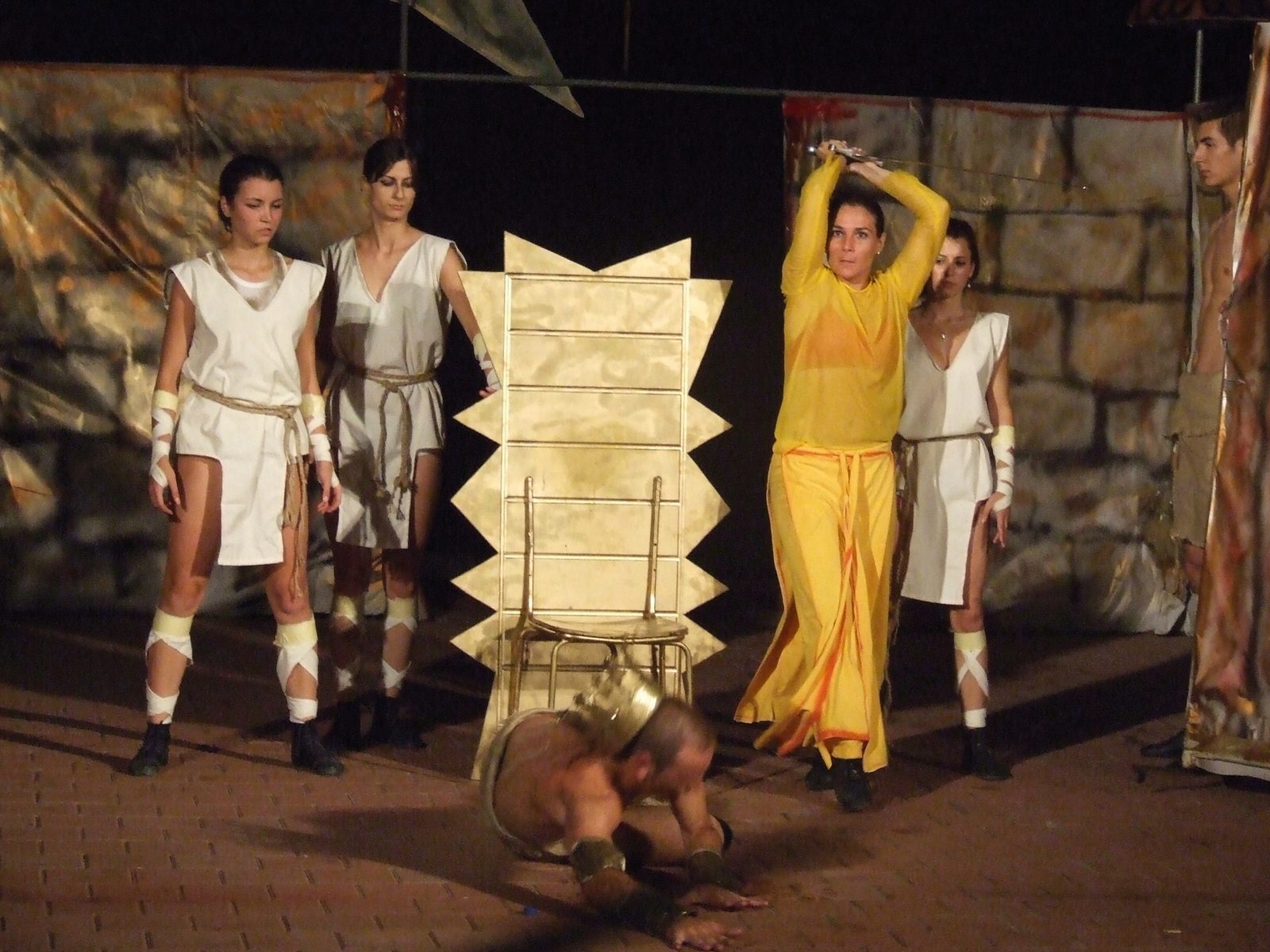
A theatre-dance show resulting from the “Artists in Residence” programme. Organisers: the Student Culture House of Sibiu and the Conexiuni Association. Funders: the Ministry of Education, Research and Youth, the National Authority for Youth, the Local Council through Sibiu City Hall and the Sibiu Municipal Culture House.
Florian Oros, Alexandru Melnincenco, Andrei Canciu, Claudiu Fălămaș, Alexandru Seceleanu, Radu Chitea, Diana Cătăneț, Mihaela Wolff, Natalia Zincenco, Cristina Cheșcu, Ionela Toader, Bianca Furdui, Ioana Chitea, Cătălina Stegaru, Laura Duțu

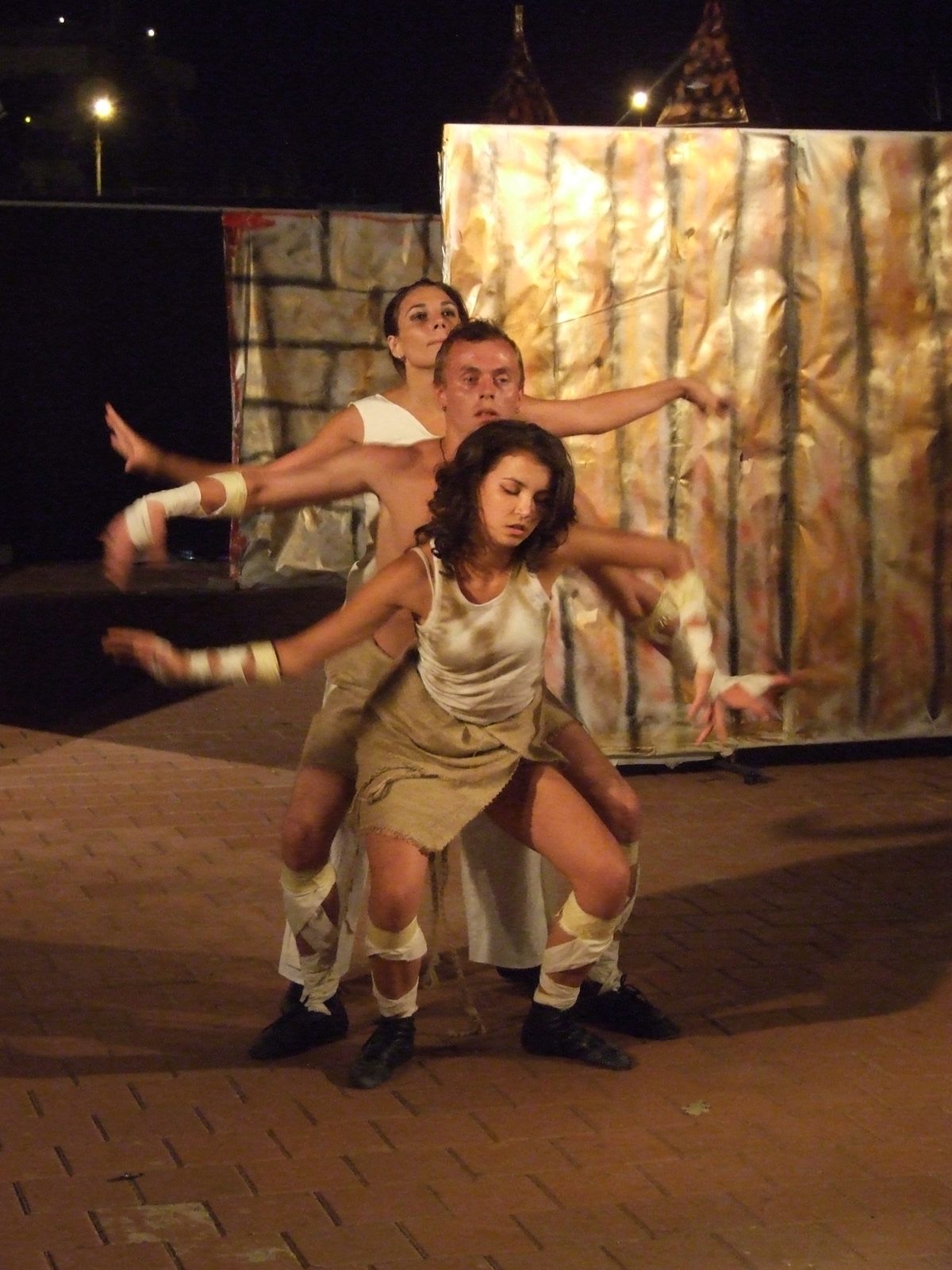
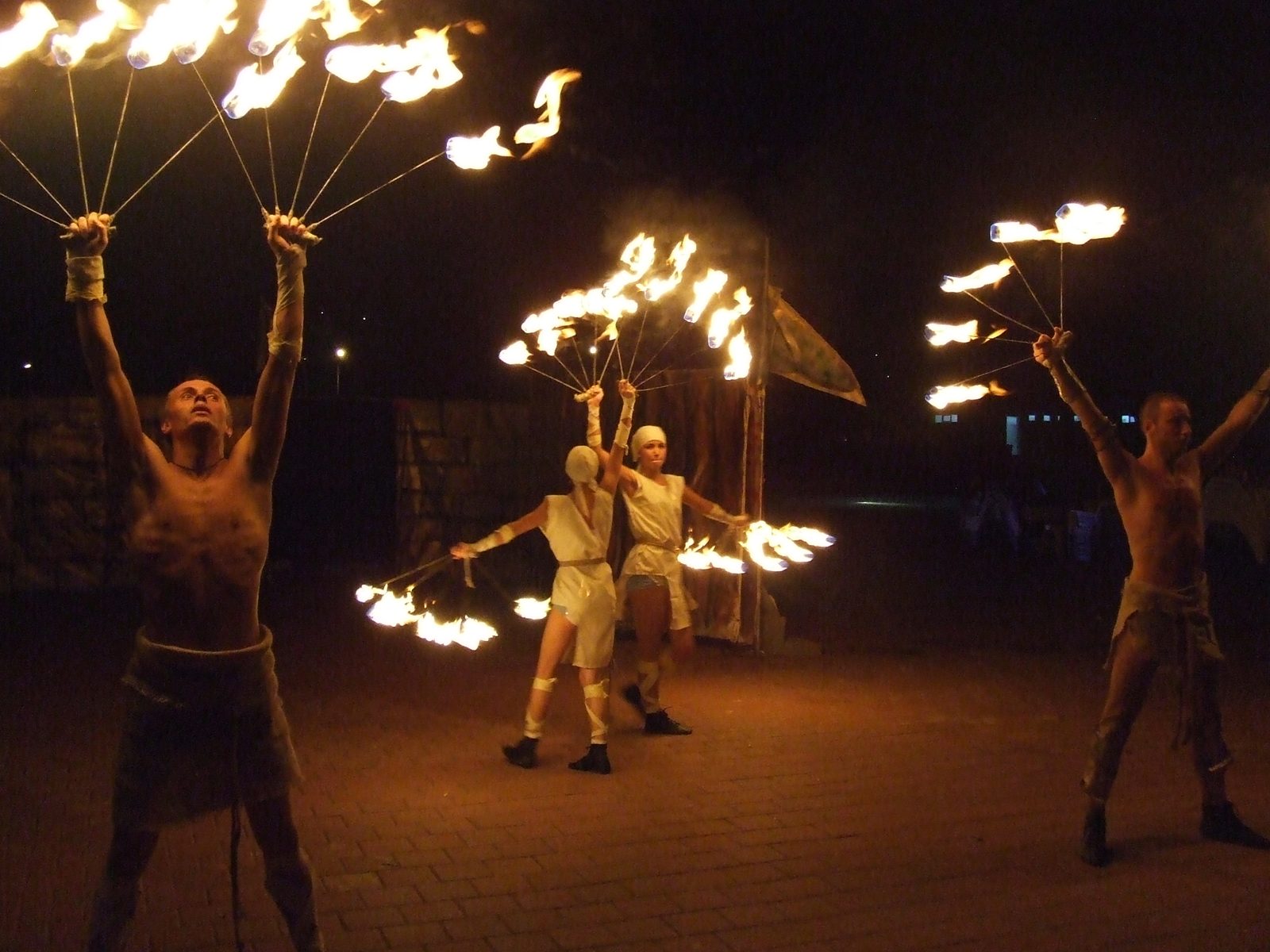

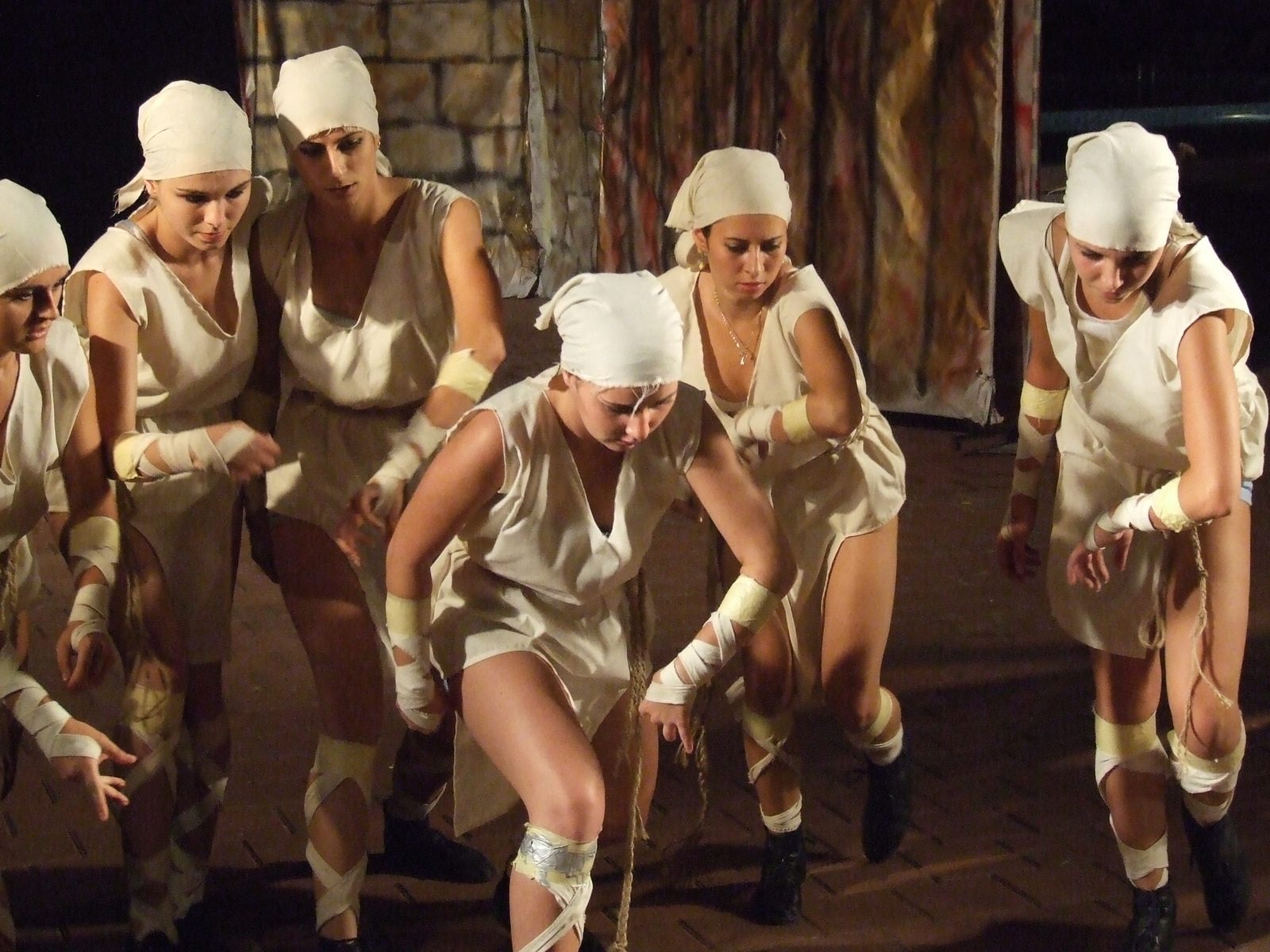


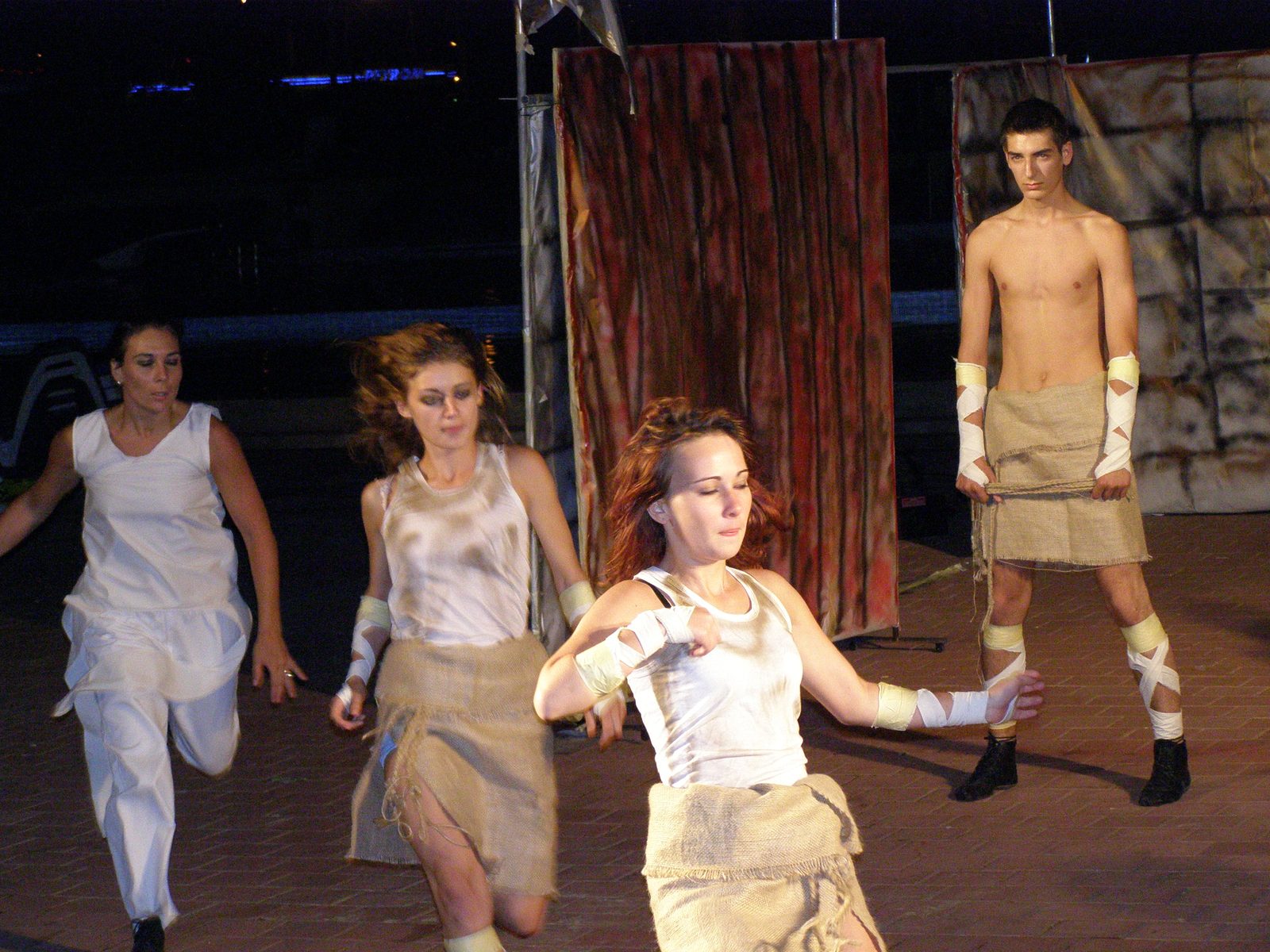



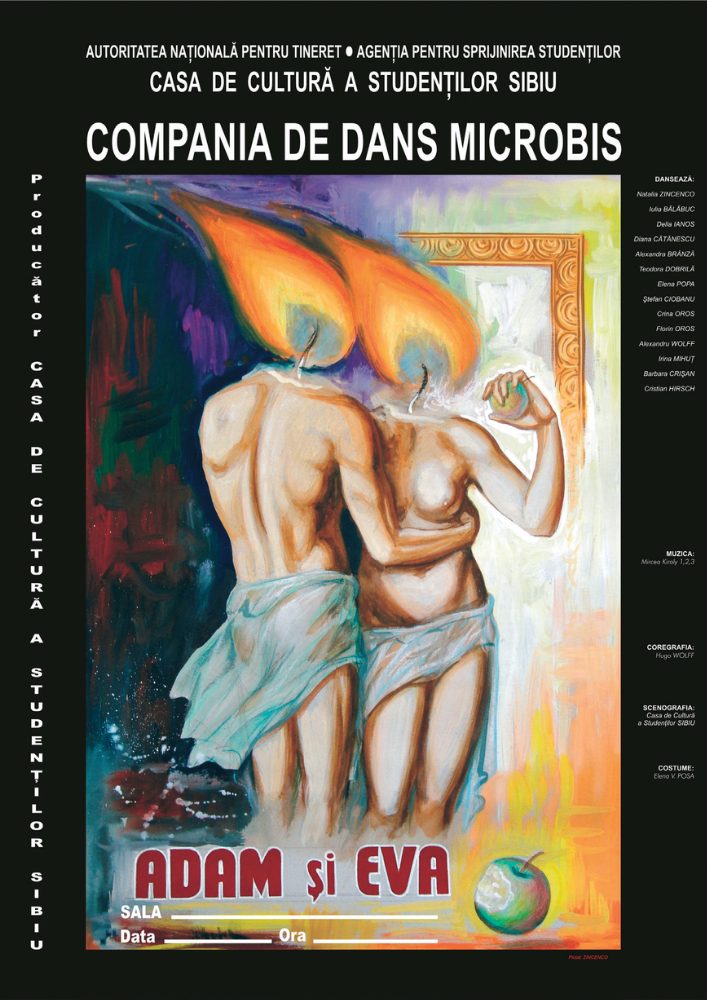
Theatre-dance
Genre: Theatre-dance · Producer: Student Culture House of Sibiu · Premiere: 2005, at the Dance Festival
“The dance show “Adam și Eva” brings passion, jealousy and inner turmoil to the stage. This is the triangle under which lies the fate of the six couples who will tell their story in contemporary dance rhythms, their love story being marked by domestic violence. This is one of the serious problems facing society, and it is also the reason why “Adam și Eva” represents a protest and a fight of young people against domestic violence. “Do not let love die” – this is the message that the dancers of MICROBIS want to convey. The show is the third production made one hundred per cent by the Student Culture House of Sibiu.”Alina Suciu, 24 ORE MUREȘENE, 26 November 2005
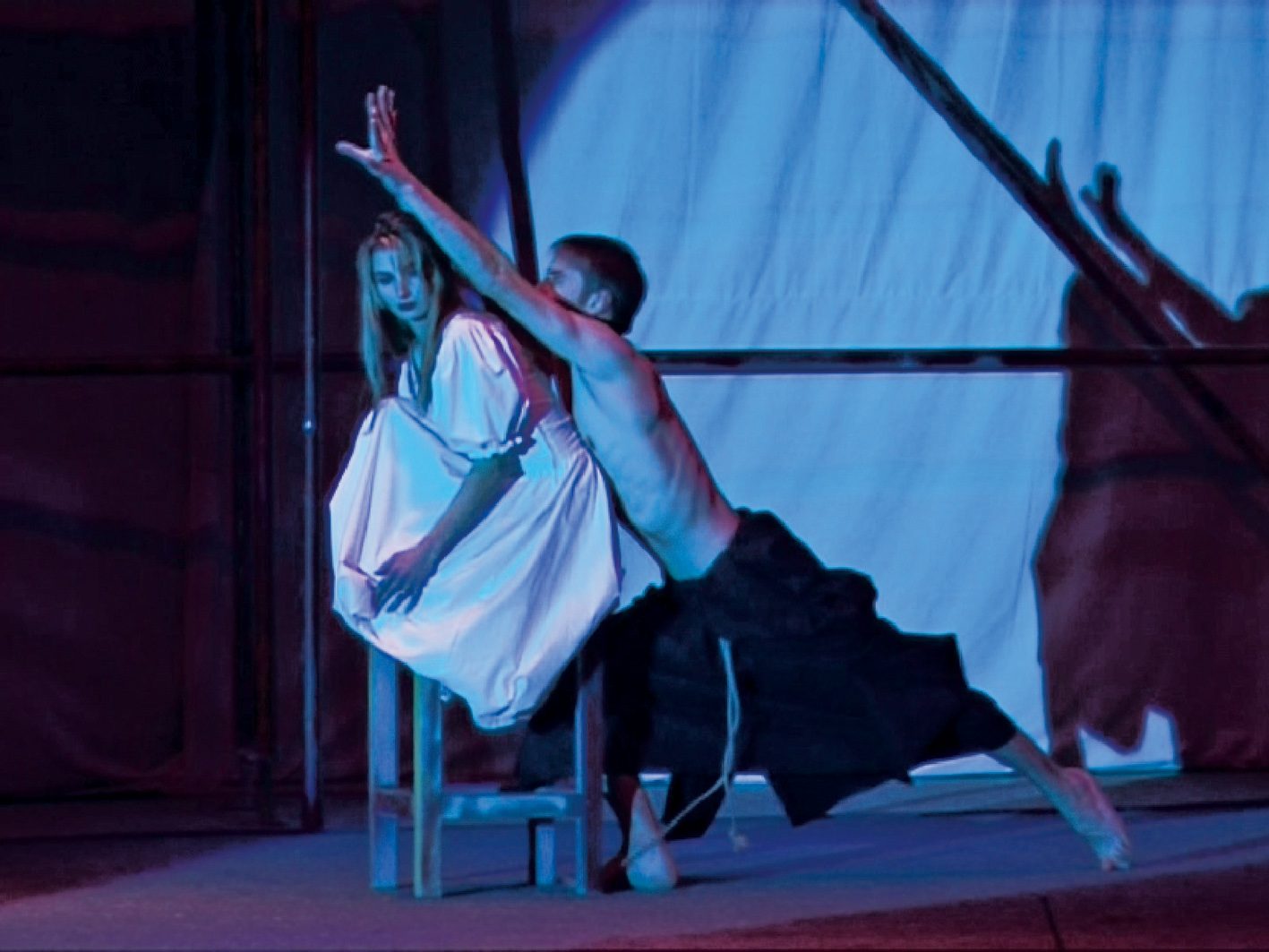
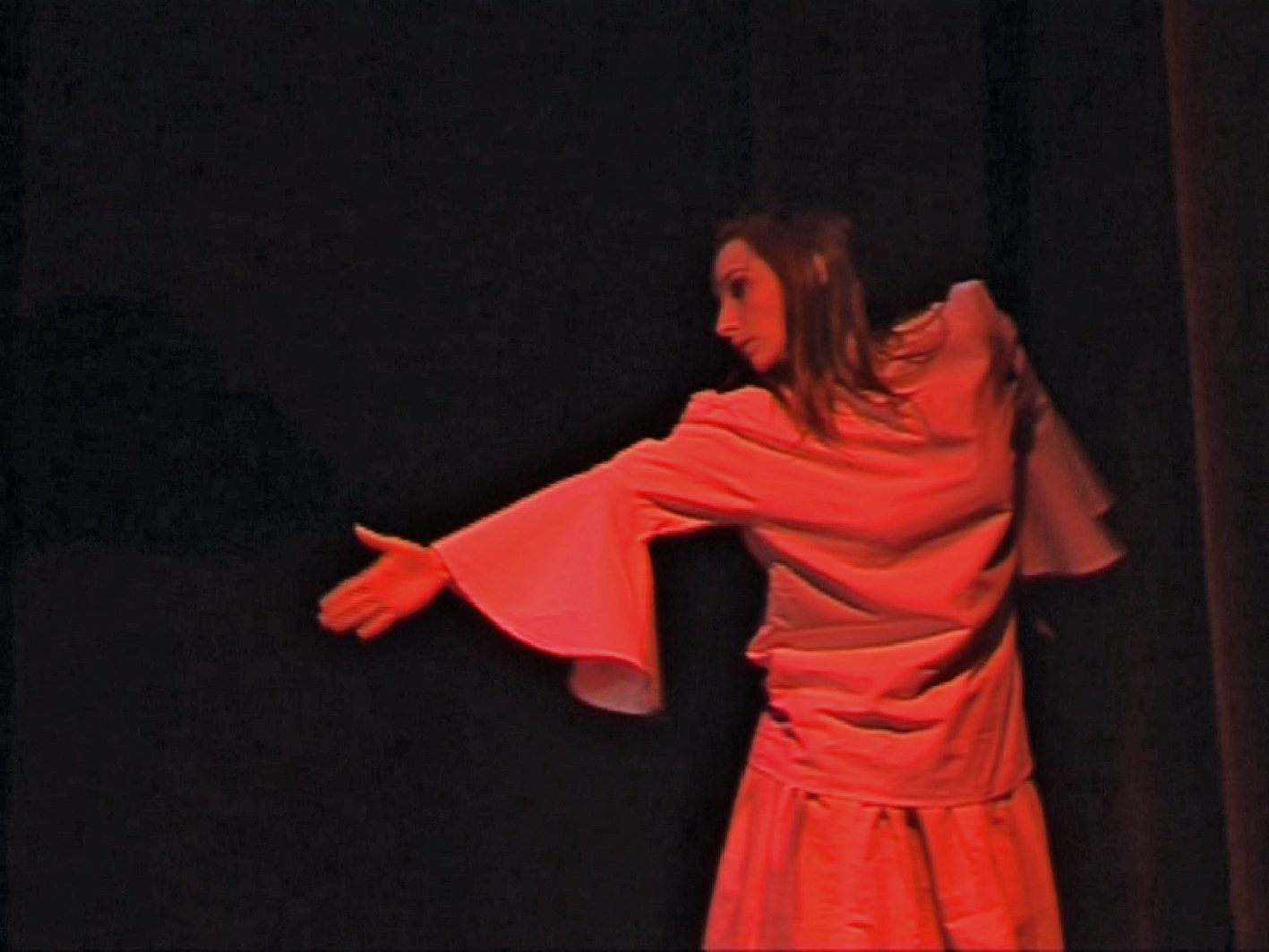



Theatre-dance
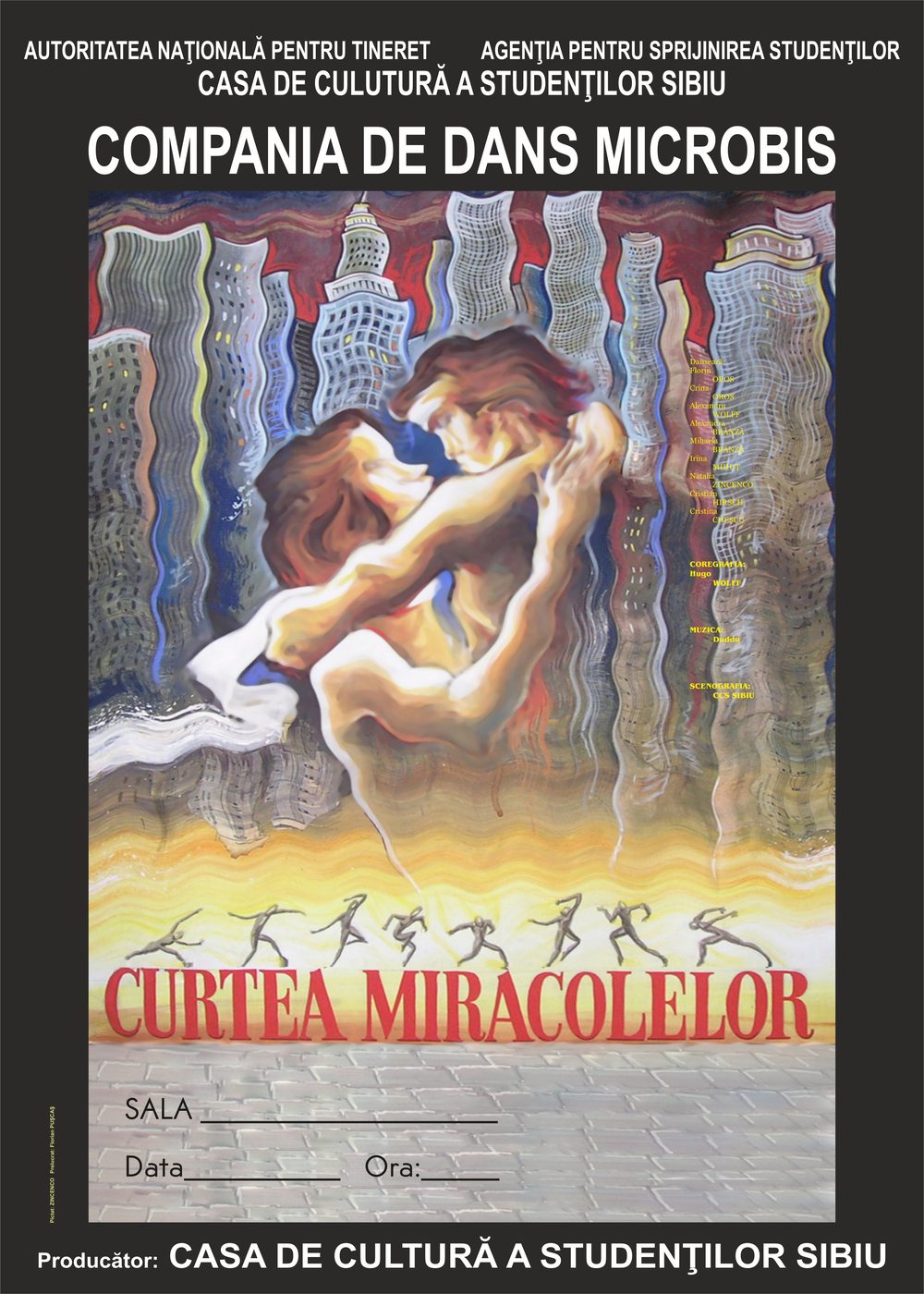
Choreography: Hugo Wolff · Music: Duddu · Year: 2004
Producer: Student Culture House of Sibiu, under the aegis of the National Authority for Youth and the Agency for Student Support.
“Quite transparently, and all the more enjoyed by the audience, the questions, dramas and many problems of youth became visible in the show “Curtea Miracolelor”, making a modern journey through contemporary life, in which the young person finds himself with some difficulty, and his guardian angel quite rarely…”Victoria A.F., Monitorul de Brăila, June 2005
“The 10 members of the troupe, together with Hugo, managed to stage an impossible love story from the 19th century, when the difference in social rank was an insurmountable obstacle for two lovers. This story between a him and a her is transferred to the 20th century, when this difference in social rank no longer matters, but when a greater danger threatens a relationship. It is about drugs, the young people’s dance being a protest against this scourge.”(A.C.) Monitorul de Brăila, 4–5 June 2005
Florian Oros, Crina Oros, Alexandru Wolff, Alexandra Brânză, Mihaela Brânză, Irina Mihuț, Natalia Zincenco, Cristian Hirsch, Cristina Cheșcu

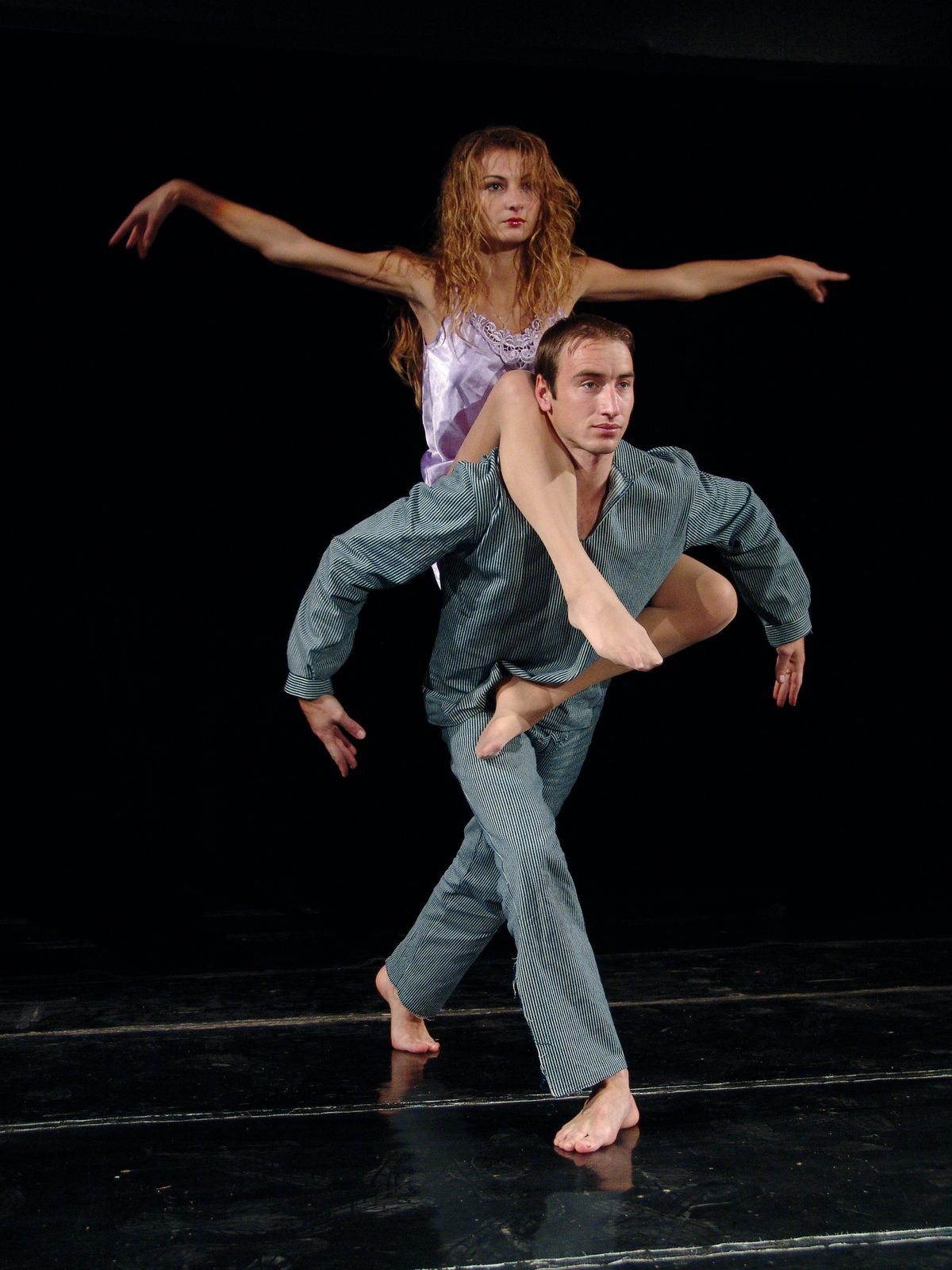
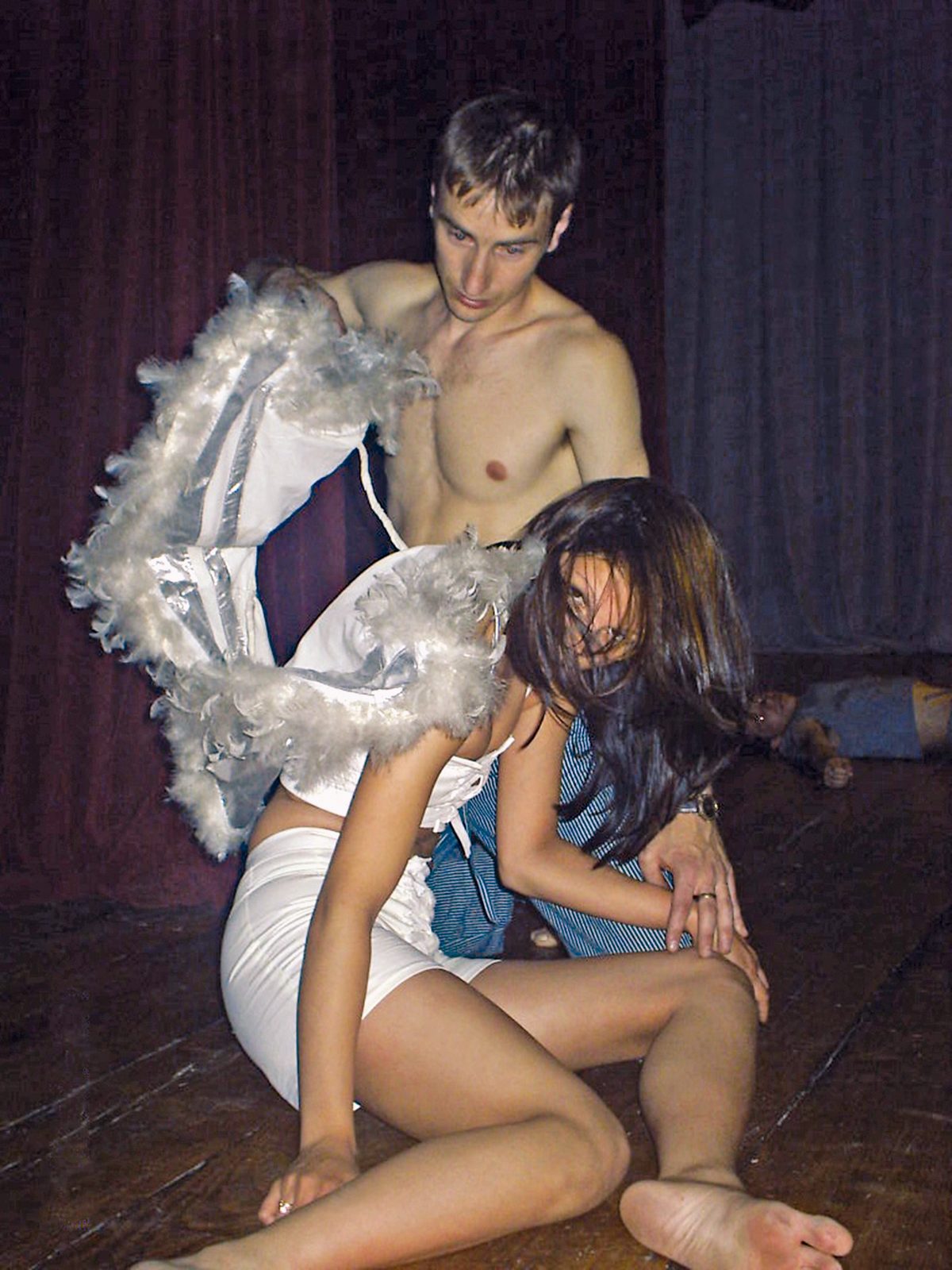
Original version
a show by Hugo Wolff
A show by: Hugo Wolff · Genre: Theatre-dance · First created: 1993
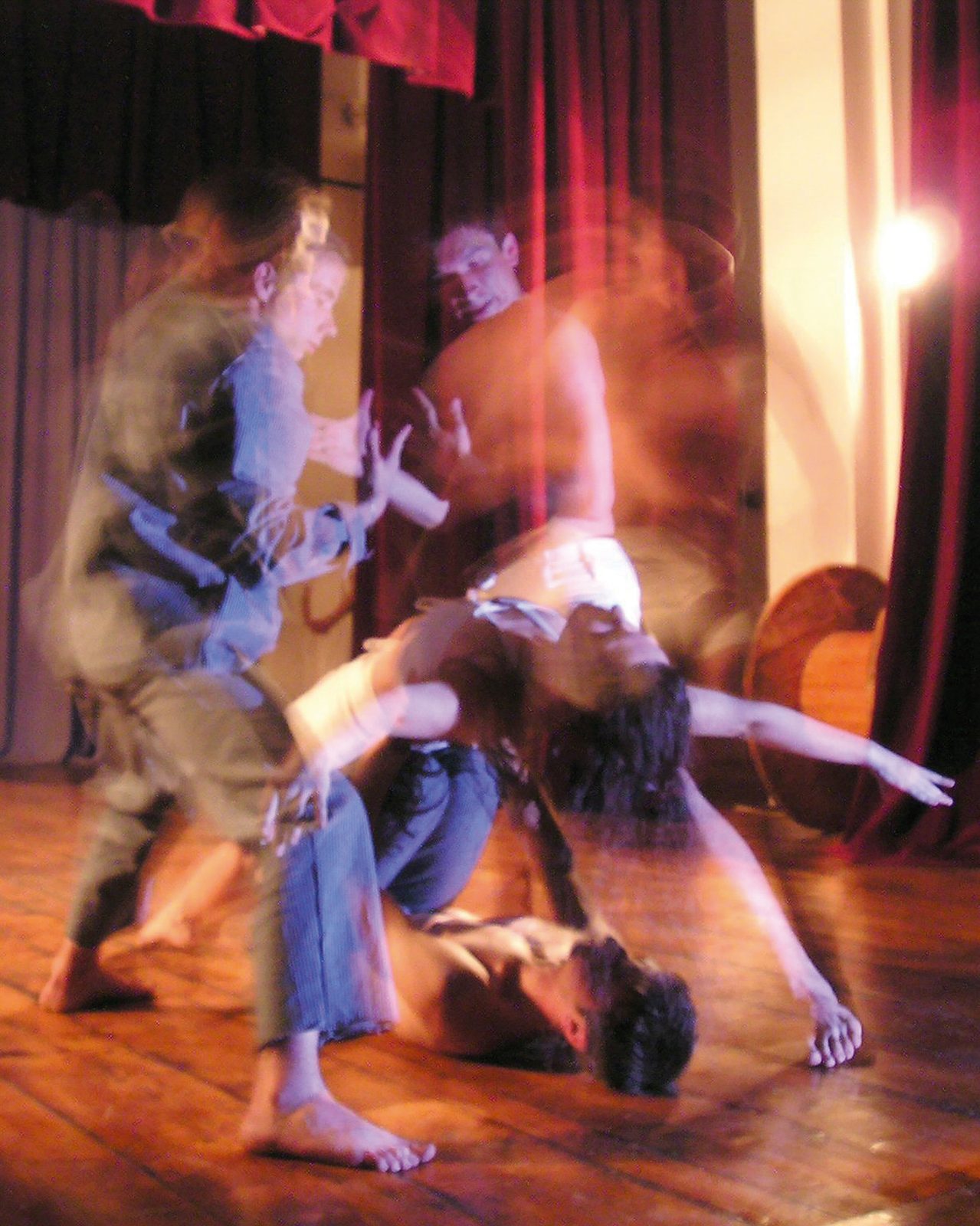
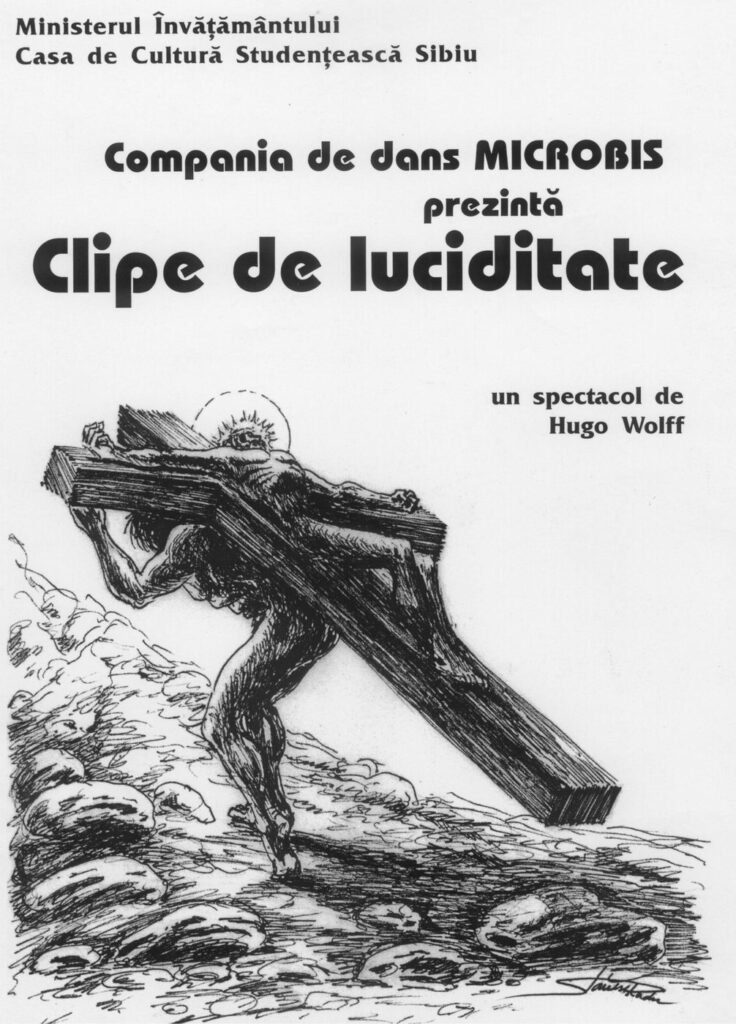
Clipe de luciditate was first created in 1993 by Hugo Wolff, as one of the first contemporary dance works of the MICROBIS Theatre-Dance Company. Combining traditional elements with the intense expressiveness of contemporary movement, the show explored the fragile border between lucidity and madness.
The archive poster bears the letterhead of the Ministry of Education and of the Student Culture House of Sibiu (Casa de Cultură Studențească Sibiu) and presents “Clipe de luciditate” as “a show by Hugo Wolff”.
“The appearance of the madmen in Clipe de luciditate brings to mind the madmen in Dario Fo’s Porunca a 7-a, characters who have moments of lucidity in this life in which man struggles to survive, often being the most lucid. The artistic interpretation was interesting, a show with well-crafted set design and rich stage movement. A hard-worked show, as choreographer Hugo Wolff confesses: We worked on this show for six months. Their inner turmoil, transformed into movement and grace, every feeling translated into undulations and steps, being conveyed directly to the spectators, creates a communion, character – performer.”Liviu Pietraru, Rondul de Sibiu, 22 April 1997
Microbis is the Theatre-Dance Company of the Student Culture House of Sibiu (Casa de Cultură a Studenților Sibiu) — an artistic formula that combines contemporary dance technique with theatricality and with music performed live on stage, not from recordings. The company’s shows do not illustrate stories; they build universes: rituals, states, cycles — guilt, lucidity, liberation, the passing of time.
The distinctive feature that has kept the company alive for thirty years: the cast is made up of young people passionate about dance and theatre. Each generation that passes through Microbis brings new energy, but inherits the same discipline and the same search for authenticity passed down since the company was founded.
Microbis is not just a Theatre-Dance Company — it is thirty years of generations of young people passionate about dance and theatre who have followed one another on the same stage, under the same idea: that movement can say what words cannot manage to say.
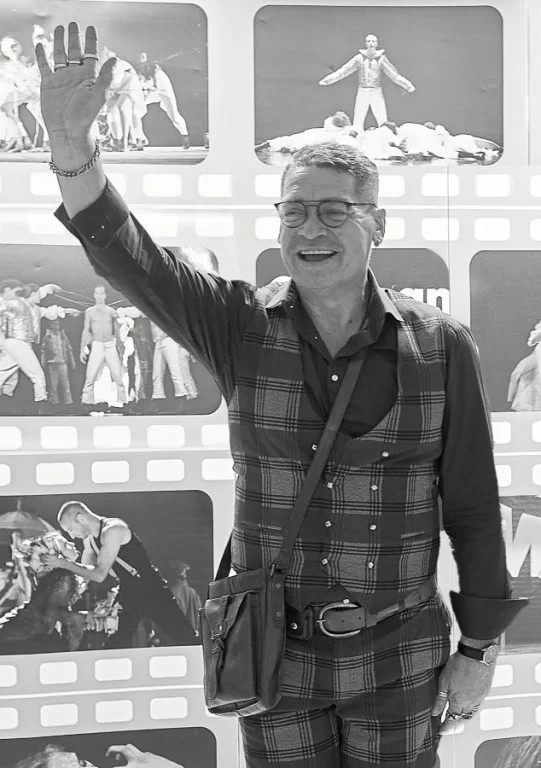
Choreographer and founder of the Microbis company, Hugo Wolff led it without interruption for three decades, signing, throughout this time, its entire repertoire. In parallel, he pursued his own career as a choreographer, collaborating for over twenty years with the Teatrul “Tony Bulandra” in Târgoviște — Hamlet, Romeo și Julieta, Carmen, Livada de vișini — and choreographed street performances for the Sibiu International Theatre Festival between 2003 and 2008. In 2012 he received the title of “Best Choreographer” in Turkey, for Hamlet.
Hugo Wolff died suddenly on the night of 27 to 28 August 2023, shortly after his company had celebrated 30 years of activity. Sibiu’s cultural community publicly mourned him.
“He was much more than a talented choreographer — he was a friend, a mentor and an inexhaustible source of inspiration.”Student Culture House of Sibiu, 2023
For me, dance means a continuous search. The everyday life of people everywhere, in all its aspects, sometimes banal, sometimes extraordinary, the roots, traditions and aspirations of these people, all of these stir my imagination and give me a feeling of constant restlessness. Through dance I try to save my freedom of spirit. Dance is an instinctive, extra-conscious necessity; it is a form of thinking, a function as vital as breathing.
The dance I conceive combines all impulses, whether contradictory or complementary: love, unrest, nostalgia, bewilderment, confidence – but also lack of confidence, certainty and uncertainty, pride, disgust, fatigue, humiliation. All of these urge me to conceive a new dance, to think of another way of expression.
With every dance I create, I rediscover myself. An imagined dance becomes “alive” and real, like a being which, once born, will become tributary to an already explored domain. Once the dance takes shape, I realise that it was asking to be born, because it has its own destiny. I merely opened the gate for this “being” that had to be born, to develop and to live.
The roots of the dance I imagine are planted deep in the fundamental reality that is life, experienced in different ways. That is why I have also given my company a certain flexibility in approaching different dances. In this way, we have managed to include within the broad register of modern and contemporary dance creations that are completely different in genre, ranging from stylisations on Romanian ritual themes to dance with an oriental touch, dance-theatre and even avant-garde symbol-dance. This does not mean that the group does not have a style of its own. On the contrary, our style can be found in everything we do, but always in a different form.
Hugo Wolff — choreographer, founder of the Microbis Company
“A dancer and ballet dancer of remarkable bearing and beauty, an inspired choreographer who brought generations of young people together around the idea of beauty.”Constantin Chiriac, director of the Teatrul Național “Radu Stanca” Sibiu
“I have seen several shows by the dance company led by choreographer Hugo Wolff. He is a young artist who works very seriously and is truly a remarkable person. In his art, he combines style with delicacy and energy, reviving the traditional origins of Romanian dance in a modern way. His personal talents and his conduct inspire confidence and create the atmosphere that empowers the dancers to reach a high level of performance. Tradition and modernity are two resources of Hugo Wolff’s artistic vision.”Eugene van Itterbeek, Leuven, September 1995
“We are all born with a special gene. We are all seekers and we learn all our lives. Dance has no limits… We are always learning. An explorer, a restless seeker of bodily expression, with a love and passion hard to equal. This is Hugo Wolff, an accomplished man and friend, born to explore and pass on the art of dance in all its forms.”Mihai Mîndruțiu, ballet master, November 2011
Since 2024, the Student Culture House of Sibiu (Casa de Cultură a Studenților Sibiu) has organised the “Hugo Wolff” Dance Festival — a tribute to the founder of Microbis and, at the same time, an annual platform for student dance groups from across the country. Microbis opens the festival, as host group, at every edition.
“Ritual și Mere Roșii” opened, to a full house, the second edition of the festival on 9 October 2025, at the Centrul Cultural “Ion Besoiu”. The 2026 edition takes place on 30–31 October, with the trailer of the show “Margot”.
“Sibiu becomes the capital of student dance” — two evenings of emotion and creative force at the “Hugo Wolff” Dance Festival.Mesagerul de Sibiu, October 2025
There is a moment when we feel the need to stop and look back, leafing through memories – photographs, posters, reviews, video recordings.
It seems like yesterday… And yet 20 years have passed since a group of enthusiastic students from the Faculty of Engineering decided that they wanted to spend their free time in a pleasant and creative way, by creating a student dance group.
It is true that most of us had done dancing, including ballet or gymnastics, which gave the group a certain discipline and a certain work rhythm right from the start. The “launch on the student arts market” of the new “product” MICROBIS was aggressive, in the good sense of the word, and diplomas and awards have not stopped being bestowed on it.
This ever-young, energetic, enthusiastic world continues to exist, with other faces, but with the same ideals and hopes. Let us not forget, however, that in life there is a logic of ages that dictates preferences, rhythms and temperaments that are never identical. From choreographies belonging mainly to the modern style, the path has led to modern ballet and even to theatre-dance.
Passion is the force that gives strength, and Microbis has had the strength needed to maintain an upward trend throughout all these years. Indeed, one of the secrets of the Microbis Company’s success has been, and still is, the cohesion and consistency of the team and of its members, instilled, of course, by the company’s founder and choreographer – Hugo Wolff.
For all its ephemerality, the artistic act cannot take place without the hope of remaining in the memory of those who watch it. We invite you to go through the pages of the album slowly, pausing for a few seconds at each page, at each story or photograph. Behind them lie feelings, sometimes entire stories.
Dr. Eng. Liliana Georgeta Popescu — director, Student Culture House of Sibiu
You and I, and in fact all of us, when we hear a catchy tune, feel that nerve twitching inside us that pushes you either to beat the rhythm or simply to throw yourself onto the dance floor. With clumsy movements or, on the contrary, natural ones, more awkwardly or, on the contrary, more professionally, we have all danced at least once in our lives.
But what is DANCE? The DEX, the Romanian explanatory dictionary, defines it as follows: “The ensemble of rhythmic, varied movements of the human body performed to the rhythm of a melody, having the character of art or entertainment”.
Or we might put it this way: dance is a way of expressing feelings. For some of us, that is, for them, dance is life and life is dance.
I am addressing you now, you who may have grown bored, or who may be curious and have started reading these lines! Do you have any idea how much work these young people put in, dedicating their free time to dance, be it classical, modern, contemporary… Do you have any idea what the struggle with passion means? It is a struggle in which you fight against everyday hardships, against the bureaucracy of a world, and in which, most of the time, art must win. The same happens with them. A troupe of students infected with this microbe went into quarantine and named themselves MICROBIS.
If I were to give you more details about them, you might lose some of the charm of the search. Look… and admire what they have created… now consider that everything you see has the lifespan of sandcastles… so you, at least, applaud them.
Whoever did not believe in them spurred them on; whoever imposed rigours and constraints unleashed them; so do not mess with the power of dance and…
Dance! Dance! Dance!
“Memorable opening” — the show “impressed through its intensity, constant energy and powerful symbols”, in a hall filled to capacity.On “Ritual și Mere Roșii”, Sibiu Independent, October 2025
“Sibiu becomes the capital of student dance” — two evenings of emotion and creative force at the “Hugo Wolff” Dance Festival.Mesagerul de Sibiu, October 2025
The full texts of the reviews are reproduced with the respective shows, in the “Shows” section.
Debut with two gold medals (Cluj-Napoca, 1994); recognition at the Leskovac Carnival, Serbia (2010); diploma for best set design at the 7th edition of the “În lumea Thaliei” Student Theatre Galas, Ploiești (2011).
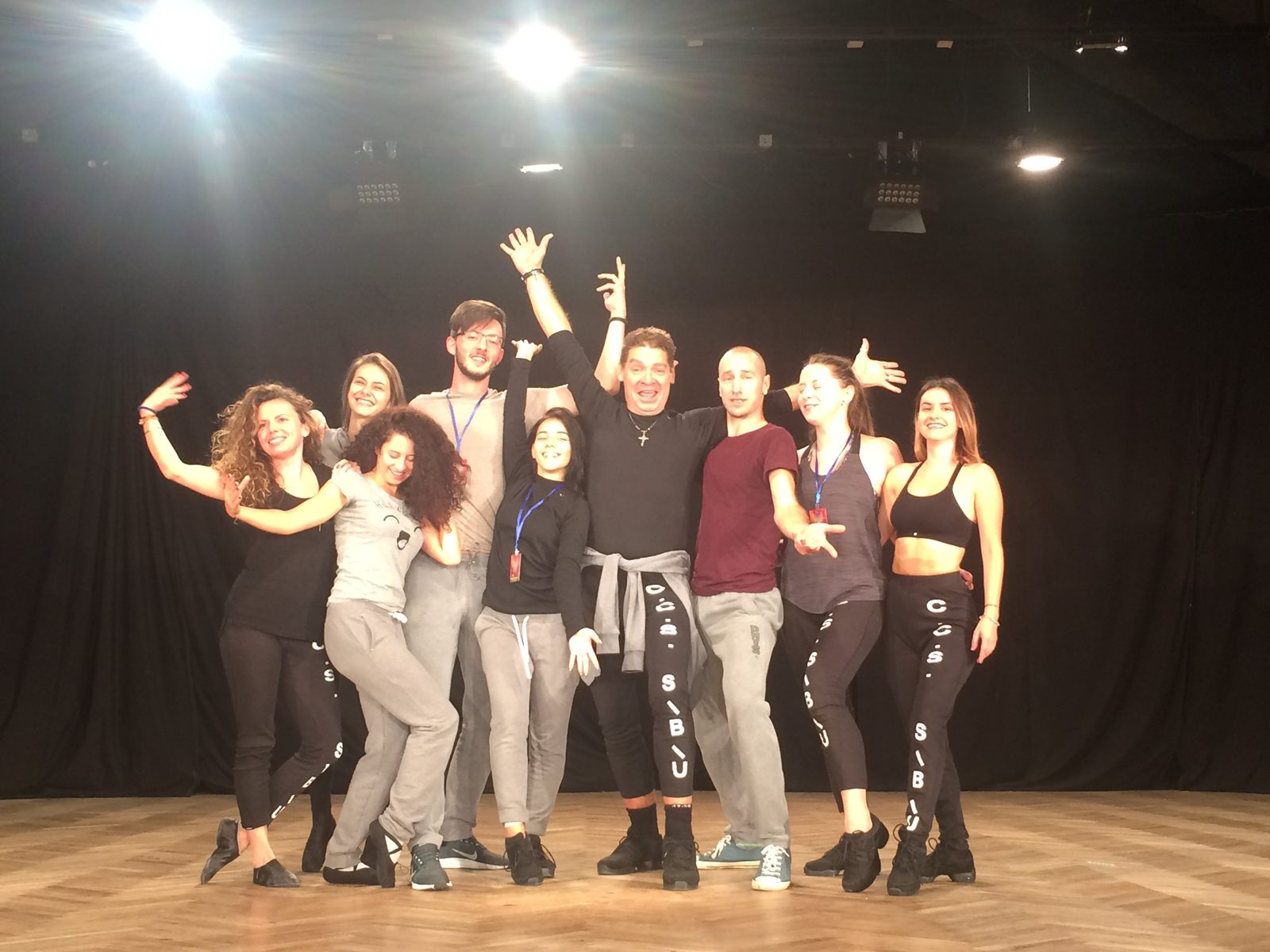
Members of the Microbis Theatre-Dance Company, from 1993 to the present — young people passionate about dance and theatre who, generation after generation, have carried the same stage forward. Founder: Hugo Wolff.
Microbis renews itself every year with young people passionate about dance and theatre, eager to say something through movement. Each generation has brought new energy to a company with over 30 years of history — you could be the next one.
The date of the next audition session will be announced on this page. Contact: Student Culture House of Sibiu (Casa de Cultură a Studenților Sibiu), Calea Dumbrăvii nr. 34A · tel. +40 269 212 883 · ccs.sibiu@yahoo.com · contact page